

A Living Legacy of Milanese Creativity
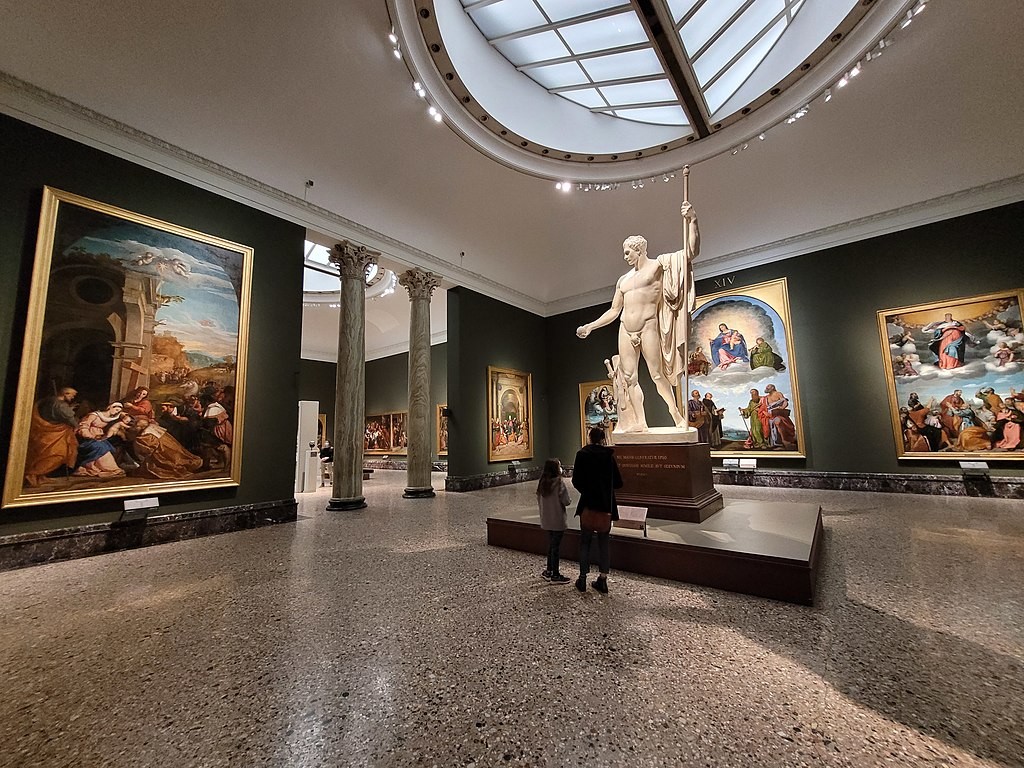
In the beating heart of Milan, where the urban bustle meets the quiet dignity of historical grandeur, lies the Accademia di Belle Arti di Brera . More than a mere institution of learning, the Academy serves as a sanctuary for the artistic soul, a place where the echoes of the Enlightenment still resonate through the corridors of the magnificent Palazzo Brera. Founded in 1776 by the visionary Maria Theresa of Austria, this academy was conceived during an era when knowledge and art were seen as inseparable pillars of civilization. To walk through its gates is to step into a living timeline of Italian excellence, where the boundary between the historical masterpieces housed in the adjacent Pinacoteca and the fresh, experimental strokes of contemporary students becomes beautifully blurred.
The architecture of the Palazzo Brera itself tells a story of transformation and resilience. Originally designed by Francesco Maria Richini around 1615 as a Jesuit college, the structure underwent a profound metamorphosis following the suppression of the religious order in 1773. Today, its walls present a breathtaking dialogue between Baroque splendor and Neoclassical restraint , reflecting the shifting intellectual tides of Milanese history. For the art lover or the interior designer seeking inspiration, the building offers an unparalleled atmosphere; every stone and courtyard seems to whisper tales of the scholars, scientists, and artists who have traversed these halls for centuries, creating a sense of continuity that is rare in our modern, fragmented world.
Where Tradition Meets the Avant-Garde
What truly distinguishes the Brera Academy from other prestigious art institutions is its vibrant, breathing collection. Unlike museums that function solely as repositories for the past, Brera is an active laboratory of creation. The Academy’s holdings include invaluable historical plaster casts and models that serve as the very foundation of sculptural instruction, allowing students to touch the lineage of classical mastery. Alongside these relics, one finds an extensive archive of drawings and sketches—intimate, raw glimpses into the creative processes of past luminaries. This synergy between the archival and the experimental creates a unique pedagogical environment where the techniques of the masters are not just studied but are actively reinterpreted through new media.
The Academy’s curriculum is a masterclass in multifaceted artistry, spanning Visual Arts, Design, and Applied Art . From the delicate precision of graphic art to the structural complexities of sculpture and the innovative frontiers of contemporary communication, Brera nurtures a diverse cohort of approximately 3,800 students. This influx of young, international talent—bolstered by programs like ERASMUS—ensures that the Academy remains at the forefront of global artistic discourse. For collectors and enthusiasts, observing the ongoing installations created by current students offers a thrilling preview of the future of art, making Brera not just a place to remember history, but a place to witness its unfolding.
A Pantheon of Artistic Giants
The prestige of Brera is etched into the very names of those it has nurtured. The Academy’s halls have been graced by figures who redefined their respective disciplines, leaving an indelible mark on the global cultural landscape. One cannot speak of Brera without mentioning Carlo Carrà , the Futurist painter whose radical aesthetics challenged the very definition of movement and form. The institution also holds a profound connection to literature through the legacy of Nobel Laureate Dario Fo , illustrating the Academy's role in fostering a broader intellectual rigor that transcends the canvas.
This lineage of excellence extends to the faculty as well, with masters such as Francesco Hayez and Camillo Boito having shaped generations of artists through their teachings in painting and architecture. Even the delicate genre scenes of the Milanese life, captured by the talented duo Pompeo and Guido Bertini, find their roots in the rigorous training provided by this institution. For anyone seeking to understand the DNA of Italian creativity, a visit to the Brera Academy is an essential pilgrimage—a journey through a landscape where every brushstroke is connected to a profound and enduring heritage.