
A Tapestry of Time: The Soul of Azerbaijan
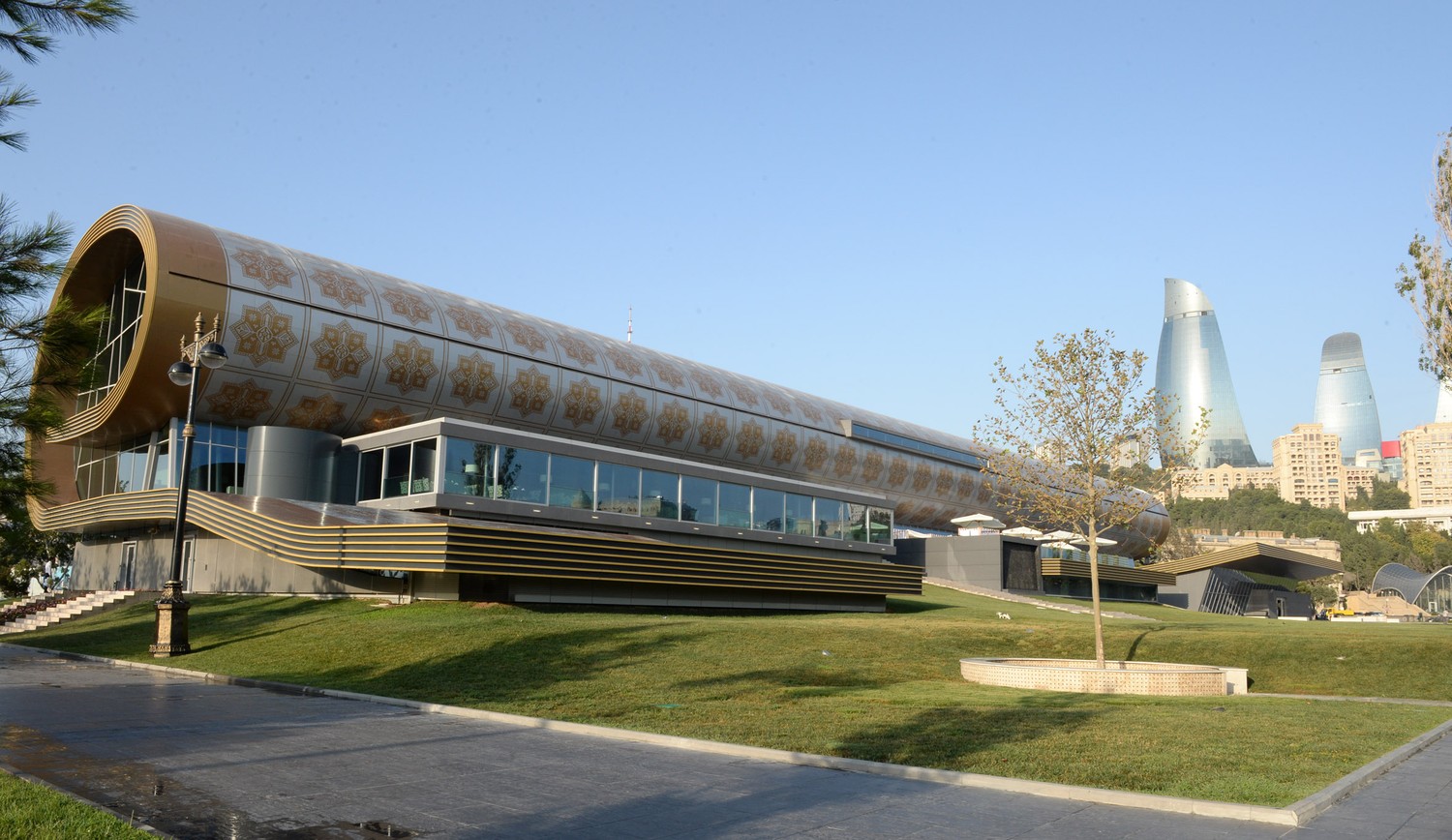
In the heart of Baku, where the Caspian Sea breeze meets the urban pulse of the seaside promenade, stands an architectural marvel that defies the conventional boundaries between structure and art. The Azerbaijan Carpet Museum is not merely a building; it is a sculptural tribute to the very craft it preserves. Designed to evoke the undulating, organic form of a rolled-up carpet, its flowing facade creates a striking silhouette against the Baku skyline, inviting passersby into a world where thread and loom tell the story of a nation. This extraordinary institution serves as a sanctuary for one of the world’s most profound artistic legacies, celebrating a tradition that has been recognized by UNESCO as a masterpiece of intangible human heritage.
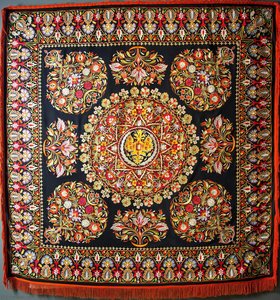
To step inside this architectural poem is to embark on a chronological journey through the very fabric of Azerbaijani identity. The museum’s collection is a breathtaking panorama of textile mastery, boasting over 10,000 exquisite items that span millennia. Visitors are transported from the rugged textures of the Bronze Age and the intricate patterns of the Ancient Period into the opulent heights of the Middle Ages. Each piece within the halls acts as a silent narrator, whispering tales of regional pride, nomadic resilience, and the sophisticated artistry of settled civilizations. The collection is particularly renowned for its monumental pile carpets, which command attention with their dense, meticulous weaves and complex geometric motifs, alongside delicate flat-woven pieces that offer an intimate glimpse into the subtle aesthetic sensibilities of local artisans.
The museum’s historical evolution is as layered as the textiles it protects. Originally established in 1967 within the hallowed walls of the Juma Mosque in the historic Icheri Sheher, the institution has undergone a profound transformation. Following Azerbaijan's independence, the museum transitioned from its sacred beginnings to its current, avant-garde home—a former site of political significance that was reimagined as a temple of culture. Named after the legendary scholar Latif Karimov, who revolutionized the study of weaving by systematizing 144 distinct regional styles, the museum honors a legacy of scientific rigor and artistic passion. This transition from a mosque to a modern cultural hub symbolizes the nation's ability to honor its ancient roots while embracing a bold, contemporary future.
For the discerning art lover, collector, or interior designer, the Azerbaijan Carpet Museum offers much more than a historical survey; it provides an unparalleled masterclass in pattern, color, and symbolic language. Beyond the iconic rugs, the museum showcases a captivating array of applied arts, including shimmering gold and silver ornaments, intricate jewelry, and copper vessels that once graced the homes of Azerbaijani nobility. The exhibition spaces reveal how these woven masterpieces were never intended to be static relics but were living components of interior design, shaping the warmth and prestige of domestic life. Exploring these galleries is an evocative experience that inspires a deep appreciation for the enduring power of craftsmanship—a reminder that true art is a thread that binds the past to the present, weaving together the very essence of human creativity.