



A Legacy of Benevolence and Beauty
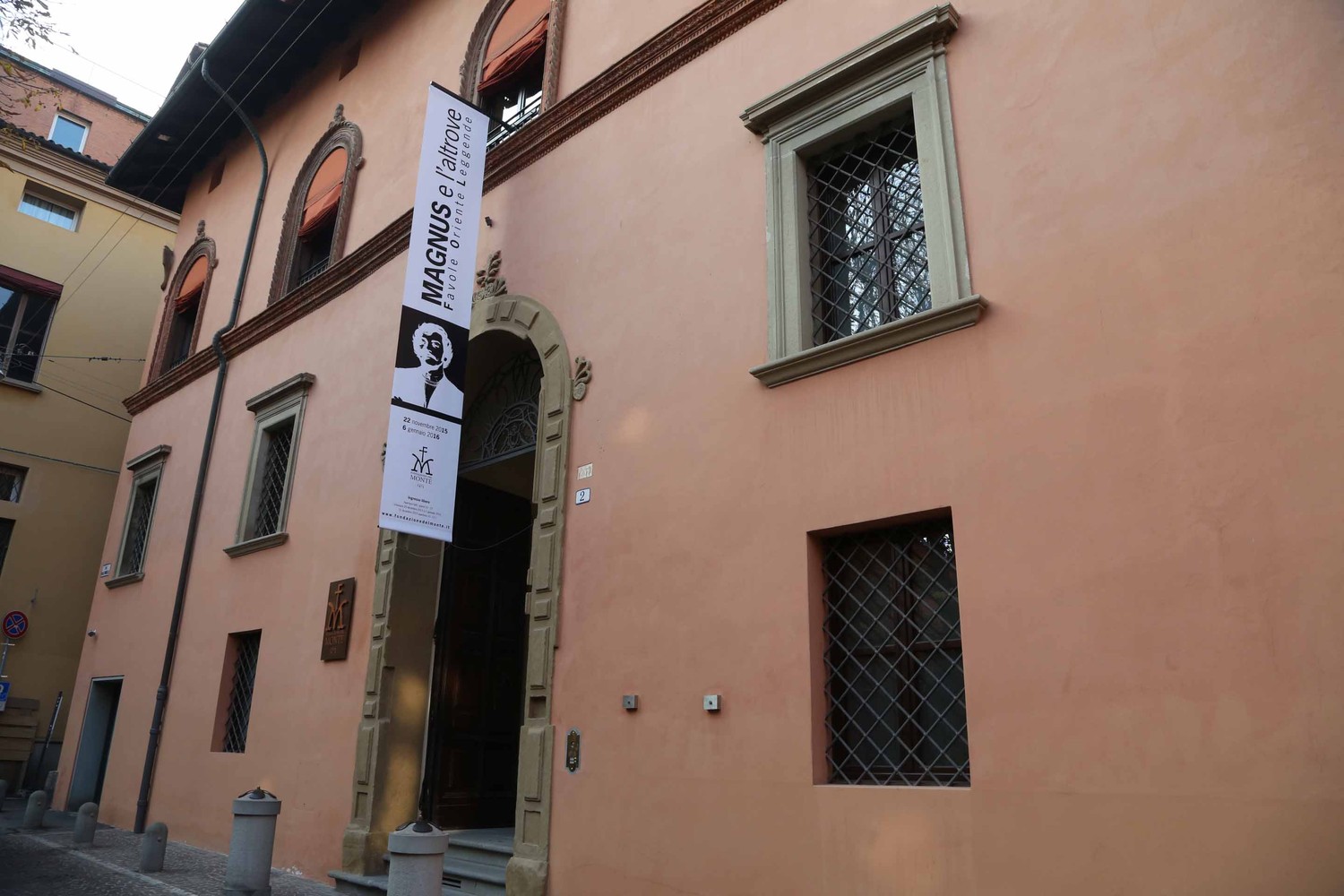
In the vibrant, terracotta-hued heart of Bologna, where history breathes through every cobblestone, lies an institution that defies the traditional boundaries of a museum. The Banca Del Monte di Bologna e Ravenna is not merely a repository for static objects; it is a living testament to a centuries-old mission of civic duty and cultural stewardship. Born from the philanthropic spirit of the Monte di Pietà, founded in 1473 by the merchant Giovanni Bolognini, this institution was originally conceived as a sanctuary for the vulnerable—a place where credit could be accessed without the predatory shadows of usury. Today, that same impulse to protect and nurture has evolved into a sophisticated dedication to the arts, making it a destination where financial heritage and aesthetic splendor exist in perfect, poetic harmony.
To wander through its halls is to embark on a journey through the spiritual and artistic soul of the Emilia-Rovagna region. The collection serves as a poignant window into the Renaissance and Baroque eras, much of which was salvaged from the sacred quietude of local churches and convents. Visitors are often moved by the profound religious narratives captured with such technical mastery; one might find themselves transfixed by the luminous detail of Ugolino di Vieri’s smalt reliquary or the tender, divine grace found in Agnolo di Domenico del Mazziere’s Madonna and Christ Child. These works do more than decorate a space; they command an emotional response, inviting the observer to contemplate the intersection of human craftsmanship and divine inspiration.
A Tapestry of Global and Scientific Discovery
The museum’s curatorial vision extends far beyond the borders of Italy, offering a breathtaking dialogue between the Occident and the Orient. The collection boasts an exquisite array of Asian prints that introduce a serene, meditative quality to the galleries. From the delicate, ephemeral beauty of Japanese woodblock prints—which whisper of Zen Buddhist aesthetics—to the commanding imperial grandeur of Chinese silk banners, these pieces provide a vital lesson in cross-cultural exchange. For the collector or interior designer, these works offer a sophisticated contrast to the heavy, dramatic textures of Italian Baroque art, creating a curated atmosphere of global intellectualism.
This pursuit of knowledge is not limited to the visual arts alone. The institution uniquely integrates scientific exhibits that celebrate the triumphs of human intellect and the milestones of progress. By weaving together the precision of science with the passion of art, the museum fosters an environment of holistic curiosity. This multidisciplinary approach ensures that every visit feels like a discovery, much like the recent exhibitions that have explored the intricate nuances of eighteenth-century Bolognese urban life or the transformative influence of Mannerism on the Italian painterly tradition.
Architectural Grandeur and Civic Spirit
The physical setting of the collection is as much a masterpiece as the paintings it houses. The museum’s presence within the Palazzo Pepoli Campogrande places visitors within a triumph of Bolognese Baroque architecture. Here, the walls themselves are canvases, adorned with opulent frescoes and sculptures that reflect the golden age of the city's artistic prowess. Moving through these spaces, one feels the weight of history and the grandeur of a period when Bologna stood as a pinnacle of European culture.
What truly distinguishes the Banca Del Monte is its dual identity—a foundation rooted in both philanthropic endeavor and high-level artistic patronage. It remains a rare example of an institution where beauty is utilized as a catalyst for social betterment. For those who seek inspiration, whether it be for a private collection or a grand interior design project, the museum offers more than just sights; it offers a philosophy. It reminds us that the preservation of art is inextricably linked to the preservation of our shared humanity and the continuous enrichment of the communities we call home.




