
A Sanctuary of Echoes: The Gothic Soul of Rome
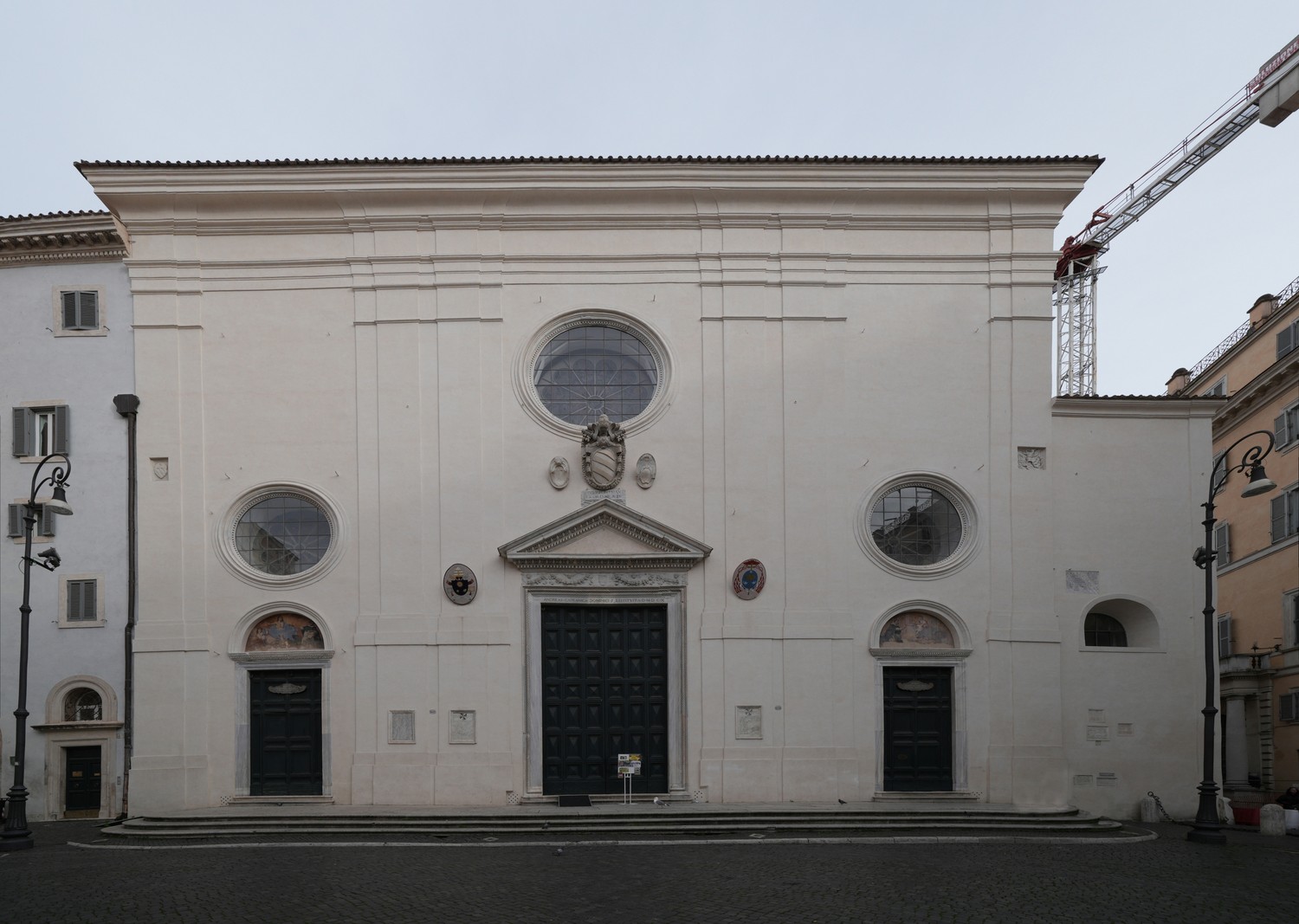
Rome is a city defined by its layers, a magnificent palimpsest where every stone tells a story of shifting empires and evolving faiths. Yet, just steps away from the monumental gravity of the Pantheon, lies a sanctuary that offers a different kind of transcendence. The Basilica di Santa Maria sopra Minerva is a rare architectural jewel, a place where the heavy, classical weight of Rome gives way to the ethereal lightness of the Gothic style. Stepping through its unassuming Renaissance façade, one is immediately transported into a world defined by soaring vaults painted in a celestial blue, studded with gilded stars that seem to shimmer in the soft, dim light of the nave. Unlike the many Baroque splendors of the Eternal City, this basilica preserves a medieval aesthetic more commonly found in Northern Europe, creating an atmosphere of profound serenity and spiritual contemplation that feels both intimate and infinite.
The very name of the basilica serves as a historical whisper from the ancient past. "Sopra Minerva"—meaning "above Minerva"—acknowledges the sacred ground upon which the church rests. Long before the Christian era, this site was dedicated to the Egyptian goddess Isis and later to the Roman goddess Minerva. This profound convergence of pagan foundations and Christian devotion is palpable in the very air of the basilica. As the Dominican Order established their presence here in the 13th century, they envisioned an insula sapientiae —an island of wisdom. This mission transformed the site into a center for both worship and intense intellectual pursuit, a legacy that continues to resonate through its hallowed halls, where the echoes of ancient temples meet the scholarly rigor of the Middle Ages.
Masterpieces of Grace and Devotion
To wander through Santa Maria sopra Minerva is to walk through a gallery of High Renaissance brilliance. The basilica’s collection is not merely a display of objects, but a profound dialogue between human anatomy and divine spirit. Most breathtaking is Michelangelo’s Risen Christ . This marble masterpiece radiates an unparalleled sense of power and grace; the anatomical precision of the sculpture captures the tension of resurrection, embodying the Renaissance ideal of the human form imbued with the divine. It is a work that demands silence, pulling the viewer into a moment of eternal triumph.
The spiritual heart of the basilica is equally anchored by the presence of Saint Catherine of Siena . As a revered mystic and a pillar of the Catholic Church, her remains rest within an ornate, magnificent monument that serves as a focal point for pilgrims and art enthusiasts alike. The artistry surrounding her tomb reflects a complex tapestry of Byzantine influence and Renaissance patronage, illustrating how art was used to bridge the gap between the earthly and the heavenly. Complementing these monumental works are the vibrant frescoes by Filippino Lippi , which offer glimpses into the delicate beauty of Gothic revival aesthetics, their colors breathing life into the ancient stone.
An Unparalleled Convergence for the Discerning Eye
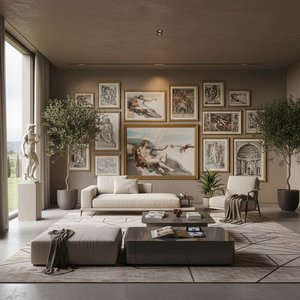
For the art historian, the collector, or the interior designer seeking inspiration, the basilica offers a masterclass in architectural harmony. It is a rare site where the structural logic of Roman foundations supports the verticality of Gothic arches, all while providing a backdrop for the dramatic flourishes of Renaissance painting. This seamless blend of styles creates an immersive experience that is uniquely Roman yet strikingly international. The meticulous preservation of these layers ensures that every visitor can witness the evolution of Western art in a single, unified space.
Beyond its permanent treasures, the basilica remains a living monument, with ongoing research and exhibitions focusing on the profound influence of Michelangelo and the intellectual contributions of the Dominican Order. It is more than a museum; it is a destination where history, art, and architecture converge to create a timeless sanctuary of beauty. Whether one is drawn by the sculptural mastery of the Renaissance or the hauntingly beautiful celestial vaults, Santa Maria sopra Minerva remains an essential pilgrimage for anyone captivated by the enduring power of human creativity.