
A Tapestry of Tradition: The Soul of Kyoto's Artistry
Nestled within a serene landscape that whispers of ancient elegance, the Bunka Gekkei Kan Museum stands as a profound testament to the enduring power and evolution of Japanese design. More than a mere repository for precious objects, this institution offers a carefully curated journey through centuries of aesthetic expression, providing visitors with an intimate glimpse into the very heart of Kyoto's artistic heritage. Originally serving as the exhibition space for the National Institute of Ceramics, the museum has blossomed into an independent sanctuary dedicated to showcasing the breathtaking breadth and depth of Japanese decorative arts. To step inside is to enter a world where every texture and form tells a story of cultural continuity and meticulous craftsmanship.
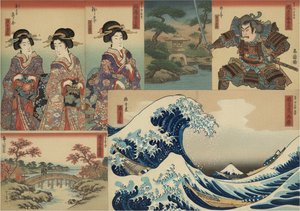
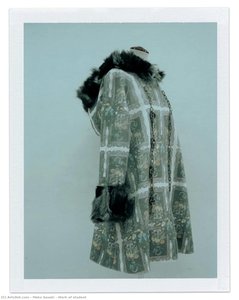
The collection itself is a remarkable tapestry woven from diverse and delicate threads. At its core lies an extensive array of ceramics, reflecting Kyoto’s long-standing prestige as a global center for ceramic production. Visitors may find themselves captivated by the transition from the delicate, understated elegance of Heian-era tea bowls to the bold, experimental spirit of modern works. Yet, the museum's narrative extends far beyond pottery; it boasts a significant collection of lacquerware that showcases the painstaking techniques and vibrant, luminous colors achieved through centuries of refinement. Intricately carved netsuke—those miniature sculptures designed as functional charms—offer a sense of wonder with their immense narrative potential held within tiny frames. Furthermore, the museum’s halls are graced by stunning textiles, including silk brocades and embroidered garments that reveal the unparalleled artistry of Kyoto’s master weavers.
Architectural Harmony and the Spirit of Wabi-Sabi
The experience of the Bunka Gekkei Kan Museum is profoundly shaped by its architecture, a masterpiece designed by the renowned architect Fumihiko Maki. The building itself embodies a philosophy of understated elegance and a harmonious integration with its natural surroundings. Constructed in 1986, it serves as a premier example of Japanese modernism, utilizing a thoughtful palette of wood, stone, and glass to create a space that feels simultaneously contemporary and deeply rooted in tradition. The design emphasizes a sense of spaciousness and tranquility, reflecting the essential principles of wabi-sabi—the profound beauty found in imperfection and simplicity.
As one moves through the galleries, the spatial flow encourages a contemplative, almost meditative experience. The layout guides visitors through a sequence of interconnected spaces where light plays a vital role; large windows flood the galleries with natural illumination, enhancing the subtle textures of metalwork, the sheen of lacquer, and the intricate weaves of ancient silks. This intentional use of light ensures that each object is presented with meticulous attention to detail, allowing the true character of the materials to emerge. For the interior designer or art lover, the museum provides a masterclass in how architecture can serve as a silent partner to the art it houses, creating an environment where the boundary between the structure and the collection begins to dissolve.
A Living Legacy of Craftsmanship
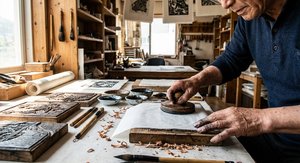
What truly distinguishes the Bunka Gekkei Kan Museum is its unwavering dedication to preserving and promoting the living legacy of Japanese craftsmanship. It is not a static monument to the past, but a dynamic institution that actively supports contemporary artisans, providing them with a prestigious platform to engage with a global audience. By maintaining strong ties with local craft schools and workshops, the museum fosters a continuous, vital dialogue between ancient tradition and modern innovation. This commitment ensures that the techniques used to create the museum's permanent treasures are not lost to time but are instead evolved by new generations of creators.
This spirit of evolution is further reflected in the museum’s rotating exhibitions, which frequently feature notable loans from prestigious domestic and international institutions. These temporary shows often illuminate specific themes, such as the profound influence of Buddhist art on ceramic forms or the historical shifts in lacquerware techniques. For collectors seeking authentic examples of Japanese decorative arts or those searching for deep aesthetic inspiration, the Bunka Gekkei Kan Museum offers an unparalleled opportunity to immerse oneself in a culture where art is not merely observed, but lived. It remains a destination where the soul of Kyoto is preserved, one exquisite object at a time.