
A Sanctuary of Spiritual Splendor
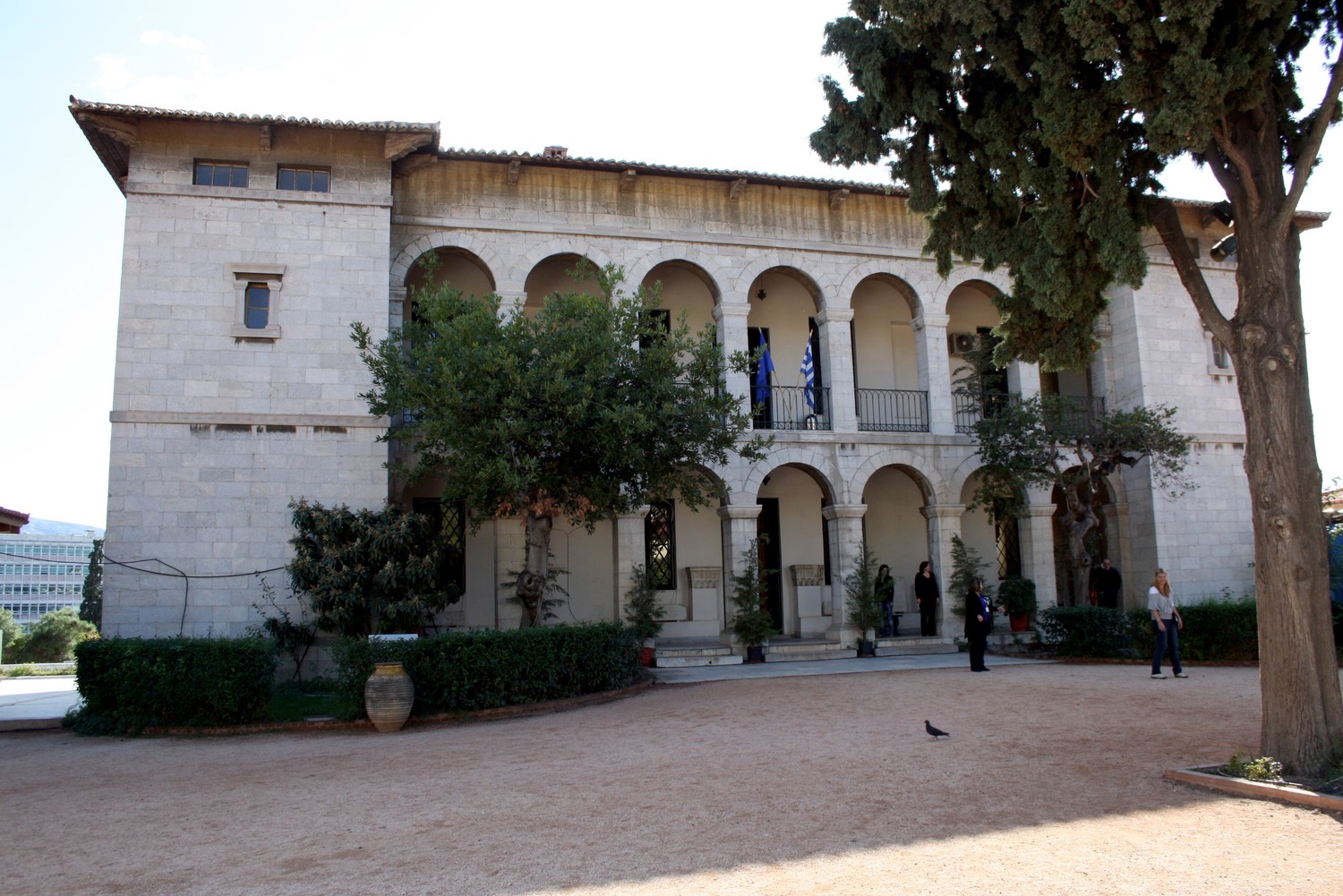
Nestled within the verdant, tranquil embrace of Villa Ilissia, the Byzantine and Christian Museum serves as a profound gateway to a lost world of devotion and artistic mastery. Located in the heart of Athens, this exquisite neo-classical villa, designed in 1848 by Stamatios Kleanthis for Duchess Marie Bonaparte, provides much more than a mere backdrop; it offers an atmospheric sanctuary where the grandeur of architecture meets the intimacy of sacred art. As visitors wander through its elegant halls, they are transported from the modern bustle of Greece into a contemplative era where every brushstroke and carved line served as a bridge between the earthly and the divine. The museum’s journey began in 1914 within the Academy of Athens, but its evolution into this lush, leafy estate has allowed it to become an immersive experience that resonates deeply with those seeking beauty beyond the superficial.
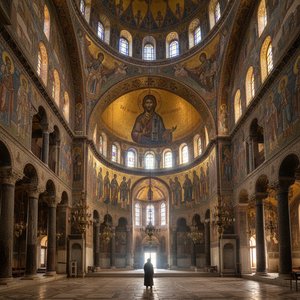
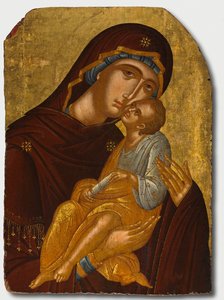
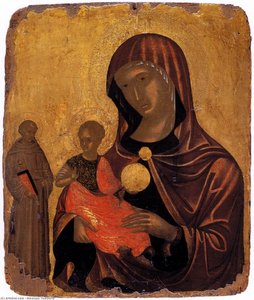
The heart of the collection beats through a breathtaking array of Byzantine icons, which stand as the museum's most luminous treasures. These are not merely relics of a bygone age but are vibrant, living conduits of faith, meticulously crafted to convey complex theological narratives through a language of profound symbolism. To gaze upon these icons is to witness the evolution of an entire civilization’s spiritual psyche, where gold leaf and tempera create a celestial glow that has survived centuries of upheaval. Alongside these sacred portraits, the museum houses remarkable frescoes that breathe life into biblical scenes with a rhythmic vitality and color palette that continues to inspire contemporary designers and art lovers alike. The interplay of light and shadow within these works offers an unparalleled glimpse into the artistic sensibilities of the Byzantine era.
Beyond the two-dimensional mastery of painting, the museum invites a tactile appreciation of history through its diverse sculptural and manuscript collections. One can find oneself captivated by the delicate precision of sculptures carved from wood and ivory, where the human form is rendered with a reverence that honors both anatomical skill and religious devotion. This tactile richness is further enriched by the presence of illuminated manuscripts and ancient scriptures. These precious volumes, adorned with intricate calligraphy and vibrant illustrations, reveal the intellectual sophistication of the Byzantine world, showcasing a period where art and literacy were inextricably linked. For the collector or the historian, these pieces represent the pinnacle of craftsmanship, offering a rare opportunity to study the meticulous techniques that defined the Middle Ages.
What truly distinguishes the Byzantine and Christian Museum is its singular, unwavering commitment to preserving a distinctive cultural heritage that shaped the very foundations of Western civilization. It is an institution that transcends the traditional museum experience, offering instead an encounter with the enduring power of art to communicate eternal truths. Whether one is drawn to the architectural elegance of Villa Ilissia, the complex symbolism found in related historical studies, or the sheer aesthetic majesty of the Byzantine collection, the museum remains a vital destination. It stands as a testament to a period characterized by opulent patronage and unparalleled achievement, making it an essential pilgrimage for anyone captivated by the intersection of history, faith, and fine art.