


A Sanctuary of Thought: The Intellectual Grandeur of Oxford
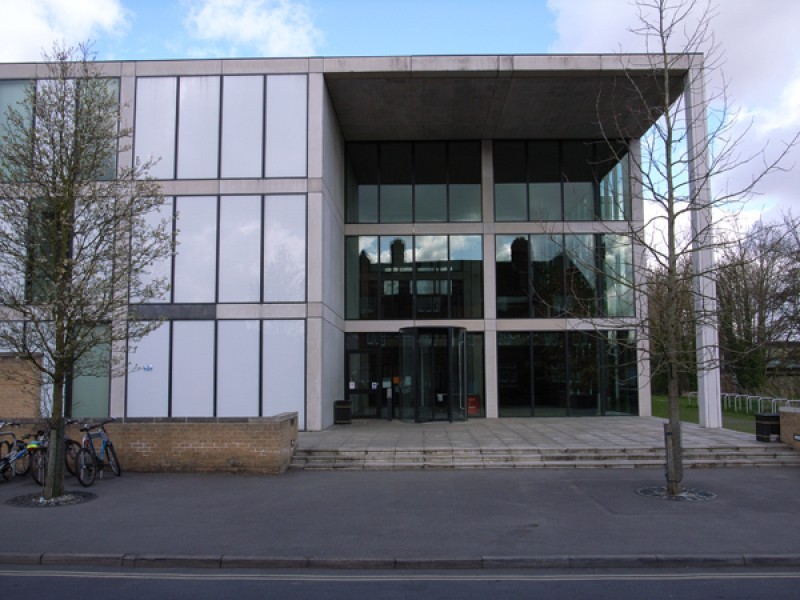
Within the ancient, hallowed heart of Oxford University, where the echoes of centuries of scholarship resonate through cobblestone streets, stands a modern marvel that redefines the boundaries of academic architecture: the Department of Economics. This is not merely a place of study, but a living chronicle of human progress and a bold statement of contemporary design. The Manor Road Building, a masterpiece envisioned by the legendary Norman Foster, serves as a transparent vessel for the pursuit of truth. Its striking glass façade does more than catch the light; it reflects the very clarity of the research conducted within, acting as a bridge between the weight of historical tradition and the ambitious, forward-looking spirit of modern economic inquiry.
To step inside this edifice is to enter a space humming with a quiet, focused energy—a sanctuary where abstract theories are forged into the practical policies that shape our global reality. The architecture itself embodies the transparency essential to scientific rigor, with expansive walls that flood the interior with natural light, creating an atmosphere of openness and intellectual invitation. It is a structure that honors its site, standing upon ground steeped in the history of Oxford since 1096, yet it embraces sustainable technologies and modern aesthetics, mirroring the way contemporary economics must balance historical lessons with the urgent environmental responsibilities of our time.
A Legacy Forged in Theory and Global Impact
The lineage of economic thought at Oxford is a tapestry woven with threads of profound social change and monumental discovery. While the roots of this inquiry stretch back to 1825 with the establishment of the Drummond Chair, it was during the transformative Victorian era that the foundations of systematic analysis were truly laid. The department has long been a crucible for luminaries who have reshaped the world's understanding of wealth, poverty, and prosperity. One cannot contemplate this institution without acknowledging the giants whose work resonates through every modern discourse: Sir John Hicks, Amartya Sen, and Joseph Stiglitz. These Nobel laureates represent a tradition of excellence that has elevated Oxford to the pinnacle of global academic prestige.
What truly distinguishes this department is its commitment to an interdisciplinary soul, most notably exemplified by the renowned PPE (Philosophy, Politics & Economics) program. This holistic approach recognizes that economics does not exist in a vacuum but is inextricably linked to the broader human experience, demanding a deep consideration of ethical, social, and political dimensions. It is this very interconnectedness that fuels the department's vibrant research ecosystem, where nine dedicated research groups and five active centers delve into the complexities of everything from behavioral patterns to the intricate mechanics of financial markets.
Global Horizons and the Pursuit of Equity
Beyond its walls, the Department of Economics acts as a vital hub for global engagement, fostering a dynamic exchange of ideas that transcends borders. The Centre for the Study of African Economies (CSAE) stands as a beacon of pioneering research, addressing the unique and pressing challenges facing the African continent while contributing indispensable knowledge to the global community. Similarly, the Oxford Centre for the Analysis of Resource-Rich economies (OxCarre) investigates the delicate balance of resource extraction and its socio-economic implications, offering crucial insights for nations navigating the complexities of the "resource curse." These centers are not isolated silos but interconnected nodes in a worldwide network of discovery.
As we look toward an uncertain future defined by climate change, inequality, and global health crises, the Department remains poised to lead. Its alumni, occupying prominent positions in governments, international organizations, and academia, carry the torch of Oxford’s rigorous training into the most critical decision-making arenas on Earth. For the scholar, the collector of knowledge, or the designer of future societies, the Department of Economics offers more than just data; it offers a profound window into the forces that drive our collective destiny, making it a true sanctuary of thought in an ever-changing world.