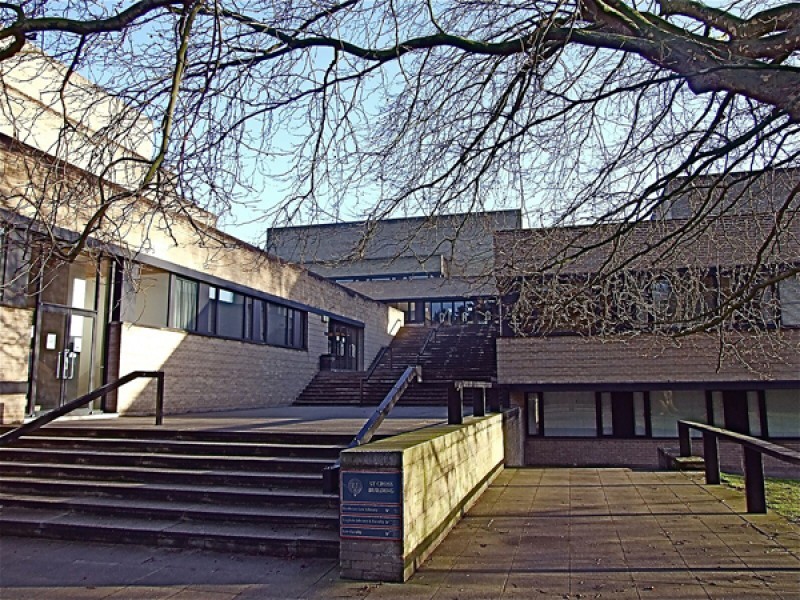
A Sanctuary of Literary Heritage: Exploring the Faculty of English Language and Literature, Oxford
Oxford University’s Faculty of English Language and Literature isn't a museum in the traditional sense—it doesn’t house canvases ablaze with color or sculptures carved from stone. Instead, it safeguards a different kind of treasure: an unparalleled collection of literary heritage, woven into the very fabric of one of the world’s oldest and most prestigious universities. Established in 1894, the Faculty stands as Britain's largest English department, a beacon for scholars and a living testament to the enduring power of words. To wander within its sphere of influence is to step into a realm where echoes of Tolkien and C.S. Lewis still resonate, where the ghosts of literary giants inspire ongoing scholarship, and where the past informs a vibrant present. The very air seems thick with untold stories, whispered from centuries of intellectual pursuit. It’s a place less about *seeing* art, and more about *feeling* its genesis – the spark of imagination that birthed worlds within words.
From Humble Beginnings to Global Renown
The story of the Faculty isn't one of sudden creation but rather of organic growth, evolving from earlier traditions of literary study within Oxford’s historic walls. The late 19th century witnessed an increasing demand for systematic academic analysis of literature, and Oxford responded by formalizing its commitment to this burgeoning field. This wasn’t merely about cataloging texts; it was about understanding the cultural forces that shaped them, the philosophical underpinnings that drove their creation, and the enduring impact they have on our collective consciousness. The Faculty quickly ascended in prominence, attracting leading thinkers and writers who would leave an indelible mark on its identity. The 20th century saw figures like J.R.R. Tolkien and C.S. Lewis not only affiliated with Oxford but actively shaping the literary landscape from within its academic embrace. Their influence continues to permeate research and teaching, making a visit—even a virtual one—a pilgrimage for fans of fantasy and imaginative literature. Imagine tracing their footsteps through the same hallowed halls, breathing the same air that fueled their creative visions. It’s an experience that transcends mere scholarship; it's a communion with literary history itself.
A Scholar’s Paradise: Resources Beyond Compare
While lacking grand galleries filled with paintings, the Faculty compensates with an extraordinary wealth of resources for literary scholars. Imagine delving into extensive rare book collections, holding in your hands first editions that have witnessed centuries unfold. Picture yourself poring over manuscript archives, tracing the evolution of a beloved novel through original drafts and personal correspondence from its author. The specialized research libraries, meticulously curated to focus on diverse periods and genres, offer an unparalleled depth of knowledge. And increasingly, the Faculty embraces digital humanities resources, pushing the boundaries of scholarship with cutting-edge technology. This isn’t simply about preserving the past; it's about actively engaging with it, reinterpreting it, and making it accessible to future generations. The weight of history is palpable in these spaces – a tangible connection to the minds that shaped our understanding of language, narrative, and the human condition.
Architecture as Inspiration: A Collegiate Tapestry
The Faculty doesn’t reside within a single imposing structure but is rather dispersed throughout Oxford’s enchanting city center. This reflects the University's collegiate nature—a network of independent colleges woven together by a shared commitment to learning. The buildings associated with the Faculty seamlessly blend into Oxford’s iconic architectural landscape, a harmonious fusion of styles spanning centuries from late Anglo-Saxon to contemporary designs. Each stone seems to whisper stories of scholars past, each courtyard invites contemplation, and every building contributes to an atmosphere uniquely conducive to intellectual pursuit. Walking through these historic streets is itself an education, a reminder that learning isn’t confined to lecture halls but permeates the very environment. The architecture isn't merely a backdrop; it's an integral part of the Faculty's identity, reflecting its long and storied history.
The Enduring Legacy: Rigor, Community, and Innovation
The Faculty of English Language and Literature distinguishes itself not only through its historical significance and exceptional resources but also through its unwavering commitment to academic excellence. World-leading research is conducted within its walls, pushing the boundaries of literary understanding. A rigorous approach to inquiry ensures that every idea is scrutinized, debated, and refined. The renowned tutorial system provides personalized instruction, fostering a close relationship between students and faculty members—a hallmark of the Oxford experience. And finally, strong links to the broader literary community ensure that the Faculty remains at the forefront of contemporary discussions and debates. It’s a place where tradition meets innovation, where scholarship thrives, and where the love of literature is nurtured for generations to come. The legacy isn't just about preserving the past; it's about shaping the future of literary study – ensuring that the power of words continues to inspire and enlighten for centuries to come.