


A Sanctuary of Creative Spirit
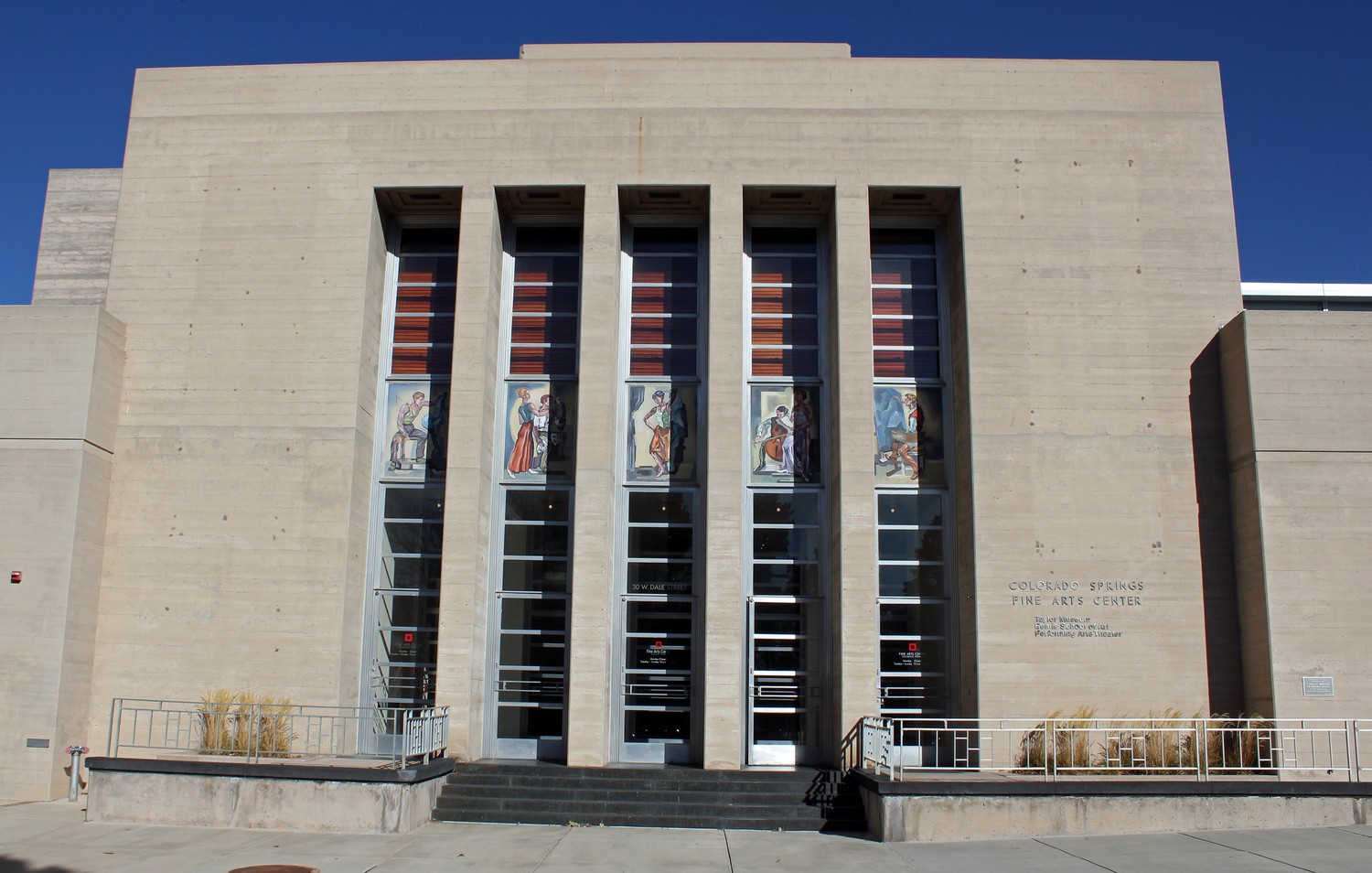
Nestled in the heart of Colorado Springs, just north of the downtown pulse, the Fine Arts Center at Colorado College stands as a monumental testament to the enduring power of human expression. More than a mere repository for artifacts, this institution serves as a living, breathing ecosystem where art, theatre, and education converge under a single, storied roof. Since its inception in 1936, funded by the visionary generosity of Alice Bemis Taylor during the hardships of the Great Depression, the center has functioned as a beacon of cultural resilience. The very stones of its architecture whisper tales of a time when art was seen not just as an aesthetic luxury, but as a vital necessity for communal healing and employment. To walk through its halls is to step into a legacy that celebrates the intersection of history and contemporary innovation, offering a profound sense of place that resonates with both the local community and the global art enthusiast.
The architectural presence of the Fine Arts Center is as striking as the works it houses, characterized by a timeless elegance that commands respect. Listed on the National Register of Historic Places, the structure embodies a sophisticated permanence, yet it remains intimately connected to the vibrant energy of its surroundings. For the interior designer or the lover of classical forms, the center provides an unparalleled study in how space can be curated to elevate the soul. The galleries are designed to breathe, allowing each piece—whether a delicate print or a monumental canvas—to command its own light and shadow. This thoughtful interplay of structure and atmosphere ensures that every visitor experiences a sense of discovery, as if wandering through a carefully composed landscape where every corner holds a new perspective on beauty.
A Tapestry of Masterworks and Modern Visions
The collection within the Fine Arts Center is a curated journey through time, offering a rich dialogue between the masters of the past and the provocateurs of the present. Collectors will find themselves captivated by the depth of its holdings, which range from significant historical pieces to works that challenge our very understanding of medium and form. The museum’s strength lies in its ability to present art not as static relics, but as active participants in a continuous narrative. Recent exhibitions have breathed new life into these galleries, such as the evocative Where I Learned to Look: Art from the Yard , which invited viewers to find the extraordinary within the mundane, and specialized showcases that explore the nuances of local landscapes through the eyes of contemporary masters like Phil Vallejo. These exhibitions do more than display art; they foster a deep, emotional connection between the viewer and the creative process.
What truly distinguishes the Fine Arts Center is its unique role as a multidisciplinary hub. It is rare to find an institution that so seamlessly integrates a museum, a professional theatre, and an art school into one cohesive identity. This synergy creates a unique atmosphere of constant motion; while one might be contemplating the silent gravity of a painting in a gallery, the distant, rhythmic energy of a theatrical rehearsal or a student’s workshop serves as a reminder that art is a practice, not just a product. For those seeking inspiration, this vitality is infectious. It offers a rare opportunity to witness the full lifecycle of creativity—from the first stroke of a brush in a classroom to the grand unveiling in a public exhibition. In this way, the Fine Arts Center remains an essential destination for anyone who believes that art is the heartbeat of civilization.




