
A Baroque Masterpiece in the Heart of Bavaria
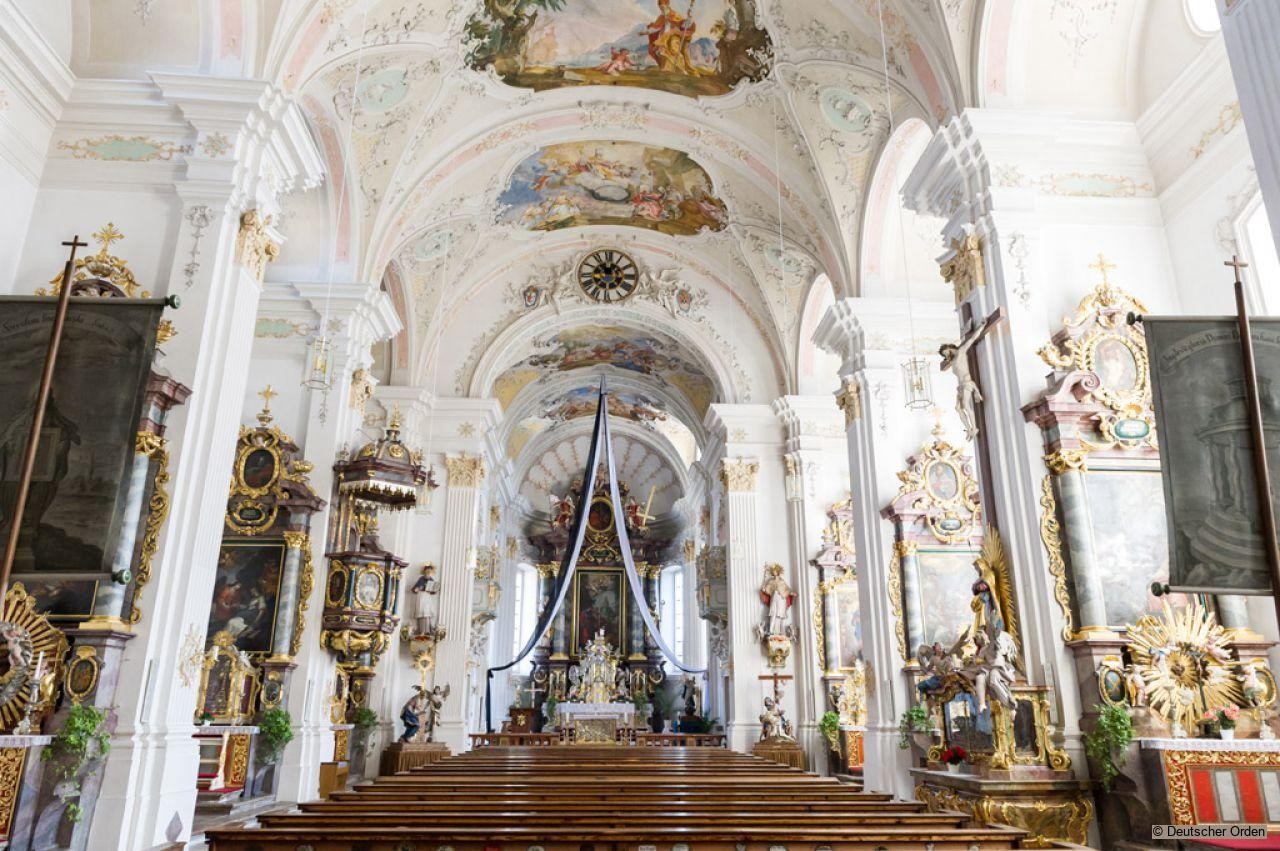
Nestled within the serene landscape of Weyarn, the Former Augustinian Church stands as a breathtaking testament to the artistic zenith of the late Baroque period. Constructed between 1705 and 1710, this architectural marvel serves as more than just a place of worship; it is a profound dialogue between stone, stucco, and spirit. Originally conceived as the private chapel for an Augustinian monastery, its evolution into a Catholic Parish Church has preserved a sanctuary where the grandeur of the past remains vibrantly alive. The façade, with its striking symmetry, introduces visitors to a world where the formal dignity of the Baroque meets the delicate, playful grace of Rococo ornamentation, creating an immediate sense of awe through its intricate exterior reliefs.
The Soul of Sculptural and Stucco Artistry
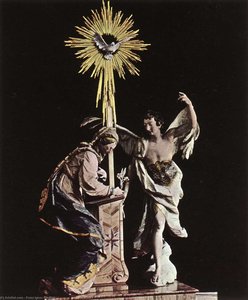
Stepping inside, the visitor is enveloped in an immersive environment where every surface tells a story of divine devotion and human skill. The interior is a masterclass in texture and movement, defined largely by the breathtaking stucco work of Johann Baptist Zimmermann. A pivotal figure in the Rococo movement, Zimmermann’s designs transform the walls into organic tapestries of flowing lines and natural forms, blurring the boundary between architecture and ornament. This ethereal atmosphere provides the perfect stage for the church's most celebrated treasures: the sculptures of Ignaz Günther. As Bavaria’s preeminent Baroque sculptor, Günther imbued his works with an unparalleled emotional depth. In pieces such as The Visitation, one can witness the meticulous detail and profound human expression that define his genius, offering a poignant connection to the spiritual narratives of the era.
A Living Legacy of Cultural Heritage
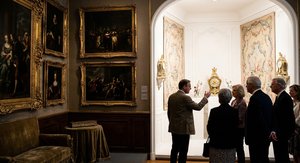
Beyond its aesthetic splendor, the church functions as a vital window into the historical evolution of Bavarian religious life. It is a site where the shifting tides of society—from monastic seclusion to communal parish life—are etched into the very fabric of the building. For art historians and collectors alike, the museum offers a rare opportunity to explore themes of patronage and the collaborative spirit between master artists and the aristocratic families who supported them. Through regular exhibitions that delve into the influence of regional Baroque art, the Former Augustinian Church continues to serve as an inspiring destination, inviting all who enter to lose themselves in the enduring beauty of a bygone era.