
A Gateway to Asian Modernity: The Fukuoka Asian Art Museum
Nestled in the vibrant heart of Hakata, within the Fukuoka Prefecture, the Fukuoka Asian Art Museum stands as a singular and profound portal into the dynamic world of modern and contemporary art from across the Asian continent. Established in 1999, this institution was never intended to be merely another repository for static treasures; rather, it was conceived as a deliberate bridge, fostering a vital dialogue between diverse cultures that are often separated by vast historical narratives and geographical distances. Fukuoka itself has long served as a crucial gateway, historically facilitating the flow of commerce and cultural exchange between Japan and the Asian mainland, and the museum beautifully embodies this legacy. It acts as a contemporary conduit for artistic expression, where the spirit of the space feels imbued with an openness—an invitation to explore the multifaceted and ever-evolving identities that comprise the continent’s rich artistic landscape.
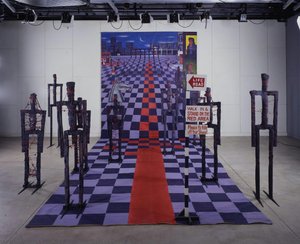
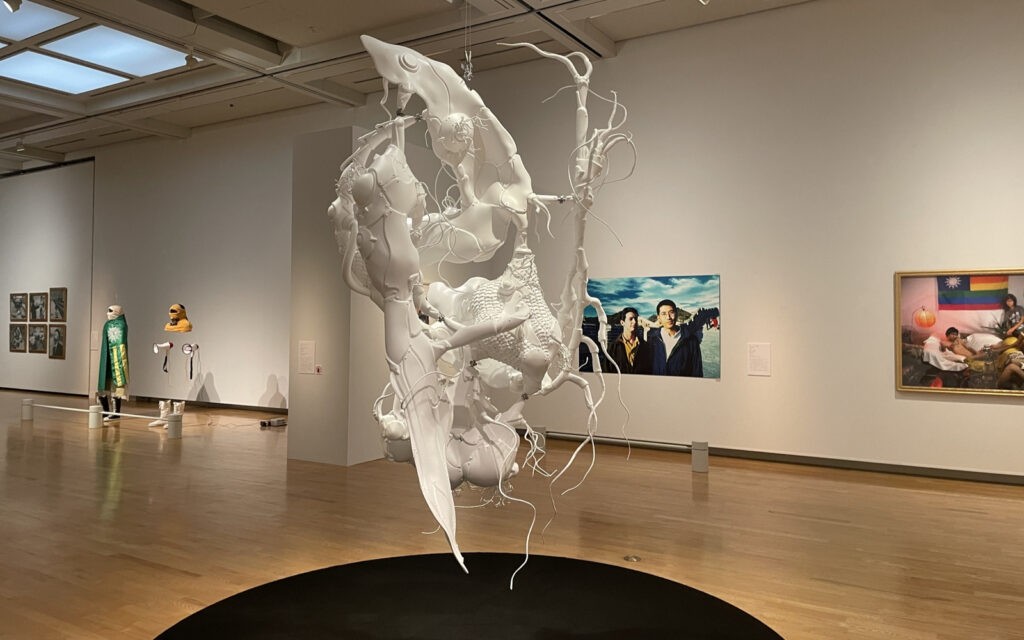
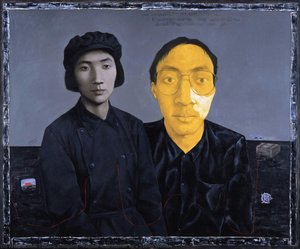
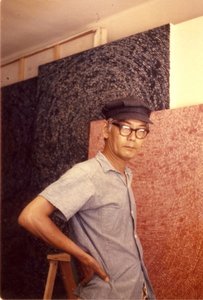
The museum's collection is breathtaking in its scope and ambition, encompassing over 3,000 works sourced from twenty-three different countries. This is not a curated selection focused solely on established masters; instead, the institution actively champions emerging artists, providing them with an international platform to showcase their unique visions. Visitors can immerse themselves in a remarkable range of mediums, moving from the immediate tactile presence of paintings and sculptures to the immersive, thought-imposing qualities of large-scale installations and the narrative depth of video art. One might find oneself captivated by the work of I Dewa Putu Mokoh , whose baroque folk style masterfully blends Hindu-Javanese traditions with intimate, soulful depictions of Balinese life, or encounter the boundary-pushing techniques of Burmese artist Saya U Saw Maung . The collection captures the very anxieties, aspirations, and innovations that define the region today, offering a living reflection of an evolving continent.
While the museum's architectural presence is thoughtfully understated, its design plays a crucial role in the visitor experience. The building is conceived to enhance contemplation rather than impose a grand, distracting statement; it serves as a supporting element that allows the art to take center stage. This subtle approach fosters an unhindered connection between the viewer and the creation, allowing for a deeper appreciation of the nuances within each piece—a choice that reflects Fukuoka’s commitment to understated elegance and prioritizing artistic impact over mere ostentation. It is a space designed for quiet engagement, where the architecture recedes to let the vibrant colors and complex textures of Asian modernism breathe.
What truly distinguishes the Fukuoka Asian Art Museum from its global peers is its unwavering dedication to showcasing art solely from Asia. In an era where many museums boast encyclopedic collections spanning every continent, this focused approach allows for a depth of engagement and critical analysis that would otherwise be impossible. The museum’s very existence is rooted in the mission of strengthening cultural ties and dismantling barriers through the power of shared creativity. By acting as a vital cultural gateway, it invites collectors, designers, and art lovers alike to delve into narratives that celebrate resilience and innovation, making it an essential destination for anyone seeking to understand the transformative power of Asian artistic expression.