
A Jewel Box of Renaissance Splendor
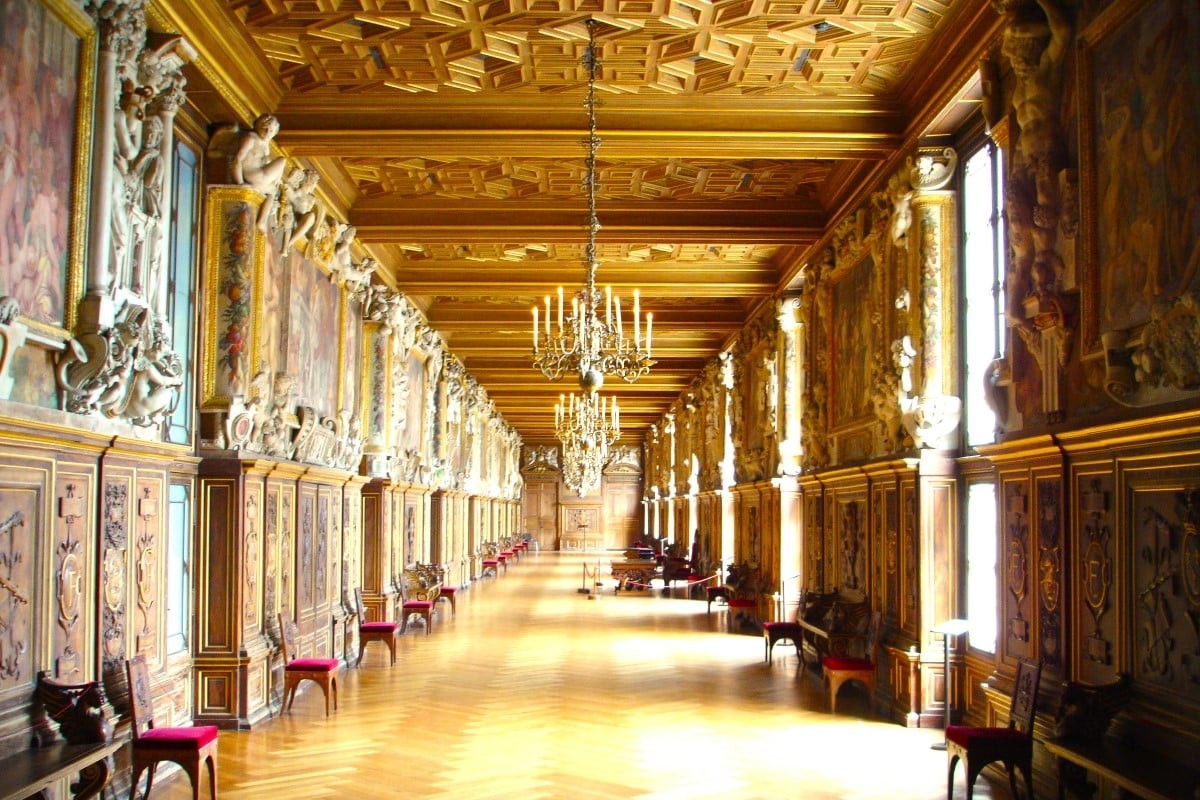
To step into the Galerie François I at the Château de Fontainebleau is to transcend the boundaries of the modern world and enter a meticulously preserved sanctuary of sixteenth-century grandeur. This is not merely a museum, but an immersive journey through the very heart of French royal ambition. Located within the hallowed halls of a UNESCO World Heritage Site, the gallery serves as a breathtaking testament to the reign of Francis I, a monarch whose profound love for beauty and scholarship transformed France into a premier beacon of European culture. As one wanders through these storied corridors, the air seems to vibrate with the spirit of the Renaissance, offering an unparalleled opportunity to witness the pinnacle of Mannerist innovation and decorative mastery.
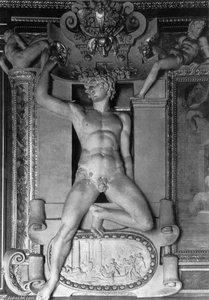
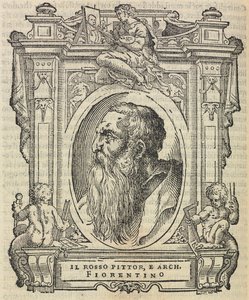
The true soul of the gallery resides within its monumental centerpiece, the Rosso Fiorentino Gallery. Conceived as a sophisticated visual dialogue between the King’s private apartments and the Chapel of the Trinity, this space showcases the transformative power of the Fontainebleau School. Between 1535 and 1537, the Italian master Rosso Fiorentino breathed life into these walls through frescoes that deliberately departed from the rigid constraints of linear perspective. Instead, he embraced a world of expressive distortion, opulent ornamentation, and intricate arabesque patterns. The interplay of gilded stuccoes and vibrant pigments creates an atmosphere of aristocratic splendor, where every surface tells a story of movement, elegance, and the deliberate pursuit of stylistic complexity.
A Tapestry of Artistic Evolution
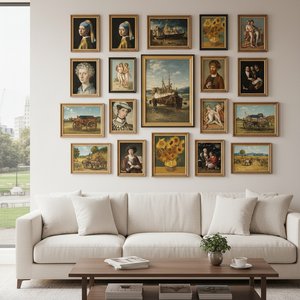
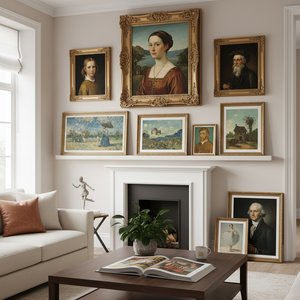
Beyond the profound impact of its Mannerist frescoes, the collection offers a rich tapestry of artistic evolution that appeals to the discerning eye of the collector and the visionary of the interior designer alike. The gallery houses breathtaking landscapes by John Haynes-Williams, whose Impressionistic captures of the Fontainebleau region evoke a serene, nineteenth-century nostalgia. This stylistic breadth is further enriched by exquisite decorative arts reflecting the opulent tastes of the Louis XIV era, including furniture and textiles that exemplify unparalleled craftsmanship. Such a convergence of eras—from the muscular energy of the Renaissance to the refined elegance of later French royalty—makes the gallery a unique study in the continuity of luxury.
The architectural harmony of the setting itself is an essential component of the experience. Built in stages between 1528 and 1540, the Château de Fontainebleau seamlessly blends Renaissance and classical principles, creating a cohesive environment where art and structure are inseparable. This historical continuity has been celebrated through numerous notable exhibitions that explore themes of royal patronage and the enduring influence of Mannerism on European sculpture and painting. For those seeking inspiration, Galerie François I offers more than just an observation of history; it provides a profound encounter with an era defined by creativity, inviting visitors to inhabit the very atmosphere of a bygone age of magnificence.