Menu
FREE ART CONSULTATION

Galleria Nazionale d'Arte Moderna

Quick Facts

  • Location: Rome, Italy
  • Alternate names:
    • La Galleria Nazionale
    • GNAM
    • Galleria Nazionale dArte Moderna e Contemporanea
  • Movements: italian romanticism
  • Works on APS: 7
  • More…
  • Art types: wallart
  • Featured artists:
    • Gustav Klimt
    • Amedeo Clemente Modigliani
    • vincent willem van gogh
    • Francesco Hayez
    • Joaquín Sorolla y Bastida
  • Historical periods:
    • 19th century
    • modern
  • Mediums:
    • acrylic on canvas
    • oil on canvas

Art Quiz

There is only one correct answer for each question.

Question 1:
What was the primary purpose of establishing the Galleria Nazionale d'Arte Moderna?
Question 2:
When was the Galleria Nazionale d'Arte Moderna initially conceived?
Question 3:
The building of the GNAM reflects a shift from classical rigidity to what aesthetic approach?
Question 4:
Which artist's sculptures embody the energy of movement?
Question 5:
What is a notable characteristic of Gustav Klimt’s ‘Schlob Kammer on the Attersee II’?
Question 6:
What is the main focus of the Museo Boncompagni Ludovisi?

A Sanctuary of Modernity: Exploring Rome’s Galleria Nazionale d'Arte Moderna

Founded in 1883 amidst the fervor of a newly unified Italy, the Galleria Nazionale d'Arte Moderna (National Gallery of Modern Art) stands as a testament to the nation’s burgeoning artistic identity and its embrace of international movements. Initially conceived to house contemporary works reflecting the spirit of the era, the gallery quickly evolved into a comprehensive chronicle of art from the 19th century through today. Its story is one of relocation and expansion, beginning in the Palazzo delle Esposizioni before finding a permanent home on Via delle Belle Arti. The current building, designed by Cesare Bazzani between 1911 and 1915, isn’t merely a container for art; it's an artwork itself. Its façade is adorned with striking friezes crafted by Ermenegildo Luppi, Adolfo Laurenti, and Giovanni Prini, depicting allegorical figures of Fame holding bronze wreaths – a symbolic welcoming to the world of artistic innovation within. Subsequent expansions in 1934 further enriched the gallery’s capacity, though later safety concerns prompted renovations and ongoing efforts to optimize its spaces for visitors.

A Collection Spanning Movements and Masters

Stepping inside the Galleria Nazionale d'Arte Moderna is akin to embarking on a journey through the very evolution of modern art. The collection boasts over 5,000 paintings and sculptures, offering an unparalleled panorama of artistic expression. The ground floor transports you back to the 19th century, where masterpieces by Paul Cézanne, Antonio Canova, and Claude Monet reside alongside the evocative brushstrokes of Vincent van Gogh. Here, one can trace the transition from Neoclassicism through Impressionism, witnessing the shift in focus towards capturing fleeting moments and subjective experiences. Ascend to the upper floors, and you’re immersed in the dynamic world of 20th-century art. The gallery doesn't shy away from challenging perspectives; it embraces Futurism with its celebration of speed and technology, delves into the fragmented realities of Cubism, and explores the rebellious spirit of Dadaism. A particularly significant strength lies in its representation of Italian art between the 1920s and 1940s, showcasing movements like Novecento and the distinctive Roman School – a testament to Italy’s unique contribution to the global artistic landscape.

Architecture as an Extension of Art

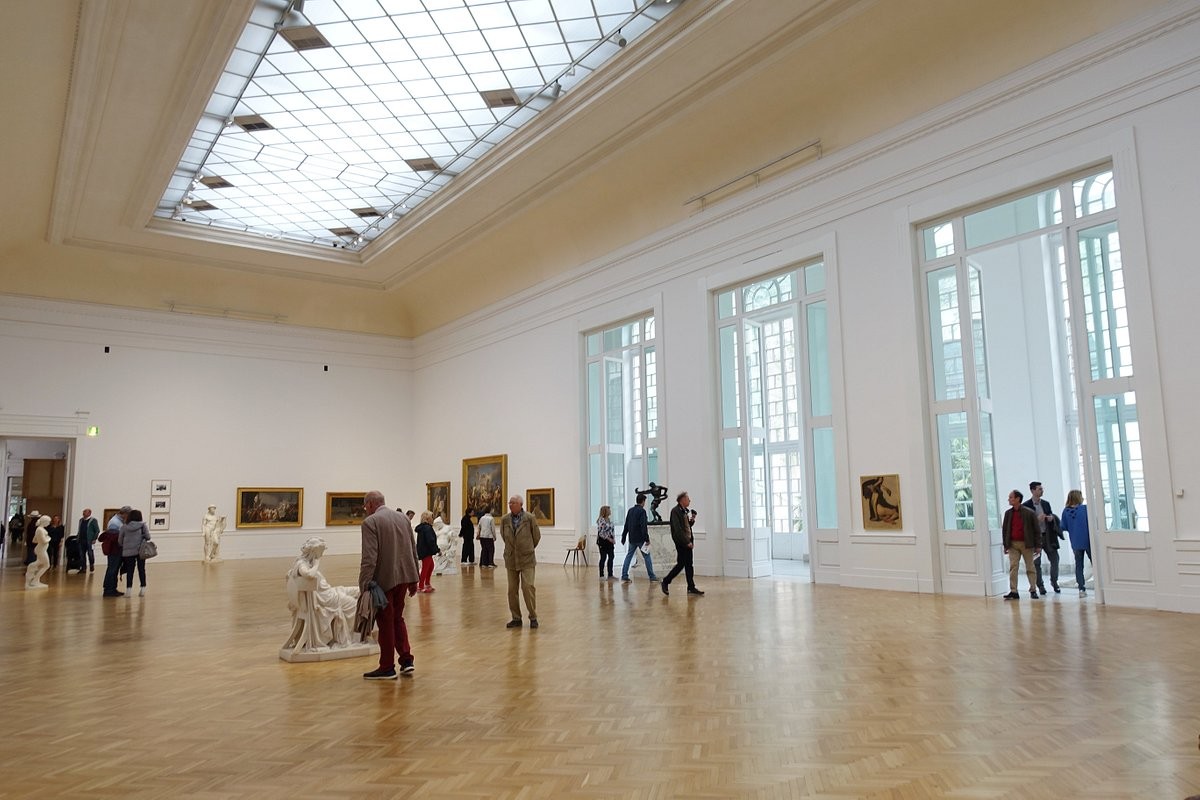
The building itself is integral to the experience of viewing the collection. Bazzani's design provides generous, light-filled spaces that allow the artworks to breathe and resonate. The architectural structure avoids imposing a rigid framework, instead fostering a sense of fluidity between different periods and styles. This openness encourages dialogue between pieces, allowing visitors to draw connections and appreciate the broader narrative of artistic development. Later additions by Luigi Cosenza, though initially met with challenges, have been carefully addressed to ensure both structural integrity and aesthetic harmony. The result is a museum that feels expansive yet intimate, grand yet inviting – a space where art isn’t confined but celebrated as an integral part of the environment.

Notable Exhibitions & A Unique Perspective

The Galleria Nazionale d'Arte Moderna has consistently hosted groundbreaking exhibitions that push boundaries and spark conversation. While permanent installations form the core of its appeal, temporary shows often delve into specific themes or highlight lesser-known artists, offering fresh perspectives on established movements. What truly sets this museum apart is its commitment to showcasing a diverse range of modern and contemporary art *without* succumbing to an exclusive focus on abstraction or radical experimentation. It presents a balanced view, acknowledging the importance of figurative traditions alongside avant-garde expressions. This inclusive approach makes it particularly appealing to those seeking a comprehensive understanding of artistic evolution – a place where one can appreciate both Klimt’s shimmering landscapes and Balla's dynamic compositions under one roof.

A Destination for Collectors & Interior Designers

For art collectors, the Galleria Nazionale d'Arte Moderna offers invaluable insight into the Italian market and the broader trends shaping modern and contemporary art. The museum’s holdings provide a benchmark for quality and authenticity, inspiring informed acquisitions and fostering a deeper appreciation for artistic value. Interior designers will find an abundance of inspiration within its walls. From the bold colors and patterns of Klimt's "Sunflower" to the sculptural forms of Boccioni's Futurist works, the gallery showcases a diverse range of aesthetic approaches that can inform contemporary design projects. The museum’s commitment to harmonious spatial arrangements also provides valuable lessons in creating visually compelling environments – demonstrating how art can transform a space and evoke specific emotions. A visit here is not merely an encounter with masterpieces; it's an immersion into a world of creativity, innovation, and enduring beauty.