

Table of Contents
Quick Facts
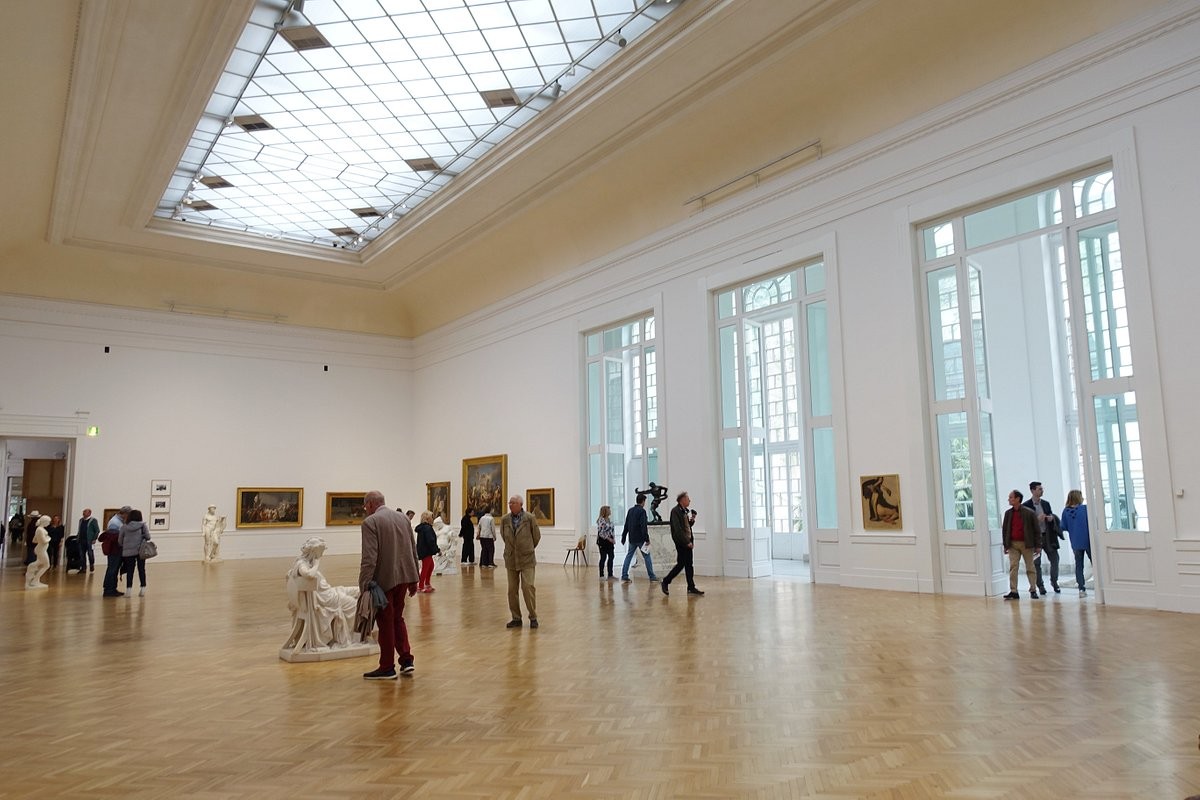
- Location: Rome, Italy
- Alternate names:
- La Galleria Nazionale
- GNAM
- Galleria Nazionale dArte Moderna e Contemporanea
- Movements: italian romanticism
- Works on APS: 7
- More…
- Art types: wallart
- Featured artists:
- Gustav Klimt
- Amedeo Clemente Modigliani
- vincent willem van gogh
- Francesco Hayez
- Joaquín Sorolla y Bastida
- Historical periods:
- 19th century
- modern
- Mediums:
- acrylic on canvas
- oil on canvas
Art Quiz
There is only one correct answer for each question.
Question 1:
What was the primary purpose of establishing the Galleria Nazionale d'Arte Moderna?
Question 2:
When was the Galleria Nazionale d'Arte Moderna initially conceived?
Question 3:
The building of the GNAM reflects a shift from classical rigidity to what aesthetic approach?
Question 4:
Which artist's sculptures embody the energy of movement?
Question 5:
What is a notable characteristic of Gustav Klimt’s ‘Schlob Kammer on the Attersee II’?
Question 6:
What is the main focus of the Museo Boncompagni Ludovisi?
Exhibited Artists
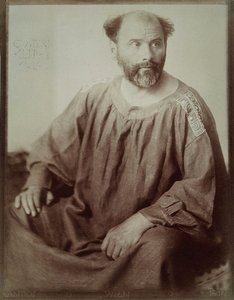
Gustav Klimt
Discover Gustav Klimt (1862-1918), the Austrian Symbolist master of Art Nouveau! Explore his iconic 'Golden Phase,' sensual portraits, and masterpieces like *The Kiss*. Learn about his life, influences & legacy.

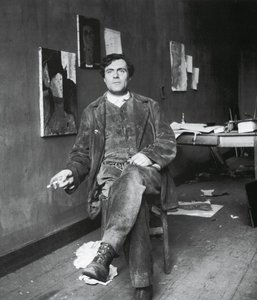
Amedeo Clemente Modigliani
Explore the captivating art of Amedeo Modigliani (1884-1920): iconic portraits & sculptures defined by elongated forms, expressive eyes, and a hauntingly beautiful style. Discover his legacy! #Modigliani #Expressionism
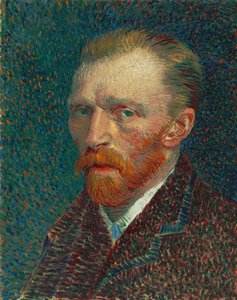
vincent willem van gogh
Vincent van Gogh (1853-1890): Explore the life & art of the Dutch Post-Impressionist master behind 'Starry Night' and 'Sunflowers'. Discover his bold style & lasting impact on modern art.
Related Articles
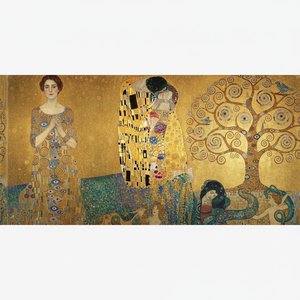
25 Klimt Masterpieces: A Journey Through Iconic Art & Decor
Delve into the world of Gustav Klimt with our top 25 masterpieces! Explore his iconic paintings – 'The Kiss,' 'Portrait of Adele,' and more. Discover museum-quality reproductions & curated decor ideas. Explore the full collection online at ArtsDot.com.
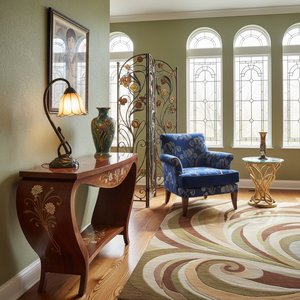
Art Nouveau's Golden Age: 10 Masterpieces for Your Home |
Journey into Art Nouveau's golden age! Explore 10 masterpieces by Klimt, Mucha & more. Discover captivating stories behind iconic paintings, floral motifs & flowing lines. Find museum-quality art reproductions for your home at .
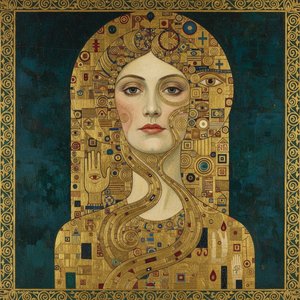
Gustav Klimt: A Golden Legacy of Sensuality & Symbolism in Viennese Art
Explore the captivating world of Gustav Klimt with ArtsDot. Discover his iconic paintings, the Vienna Secession movement, & enduring legacy. High-quality reproductions available.
List of Artworks


Subscribe to Our Newsletter
Stay updated with the latest art news, exclusive offers, and decoration ideas.
Get 3 Free Art Suggestions
Tell us about your project and our art experts will provide you with 3 personalized art suggestions.
Not Sure Where to Start?
Let Us Curate 3 Options Just for You - Free!