

A Renaissance Dreamscape: The Enchanted Gardens of Villa Medici
Nestled within the verdant, rolling hills of Tuscany, near the quiet charm of Pratolino, lies a sanctuary where the boundaries between human ingenuity and the natural world dissolve into a singular, breathtaking vision. The Garden of Villa Medici is not merely a landscape; it is a profound distillation of Renaissance humanist ideals, a place where the intellectual rigor of the sixteenth century meets the untamed beauty of the Italian countryside. Conceived by Francesco I de’ Medici as a private retreat and a stage for his family’s immense cultural prestige, this estate serves as a living testament to an era that sought to find the divine within the symmetry of nature and the precision of art.
The architecture of the villa itself, a masterpiece designed by the brilliant Bernardo Buontalenti, embodies the very essence of Mannerist elegance. Its facade, adorned with intricate carvings of mythological figures, whispers tales of classical antiquity, reflecting the Medici family’s deep-seated fascination with the legends of old. As one approaches the villa, the structure stands as a symbol of proportion and grace, a silent sentinel overlooking a landscape meticulously engineered to surprise and delight. The garden was laid out along a precise, downward-sloping axis, creating a sense of theatrical progression that leads the visitor through a series of carefully choreographed vistas and hydraulic wonders.
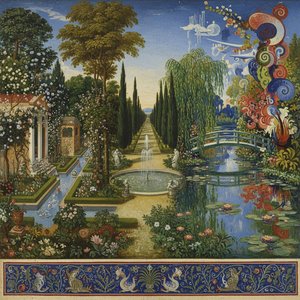
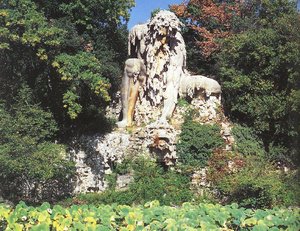
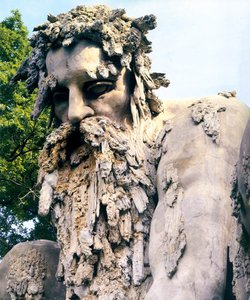
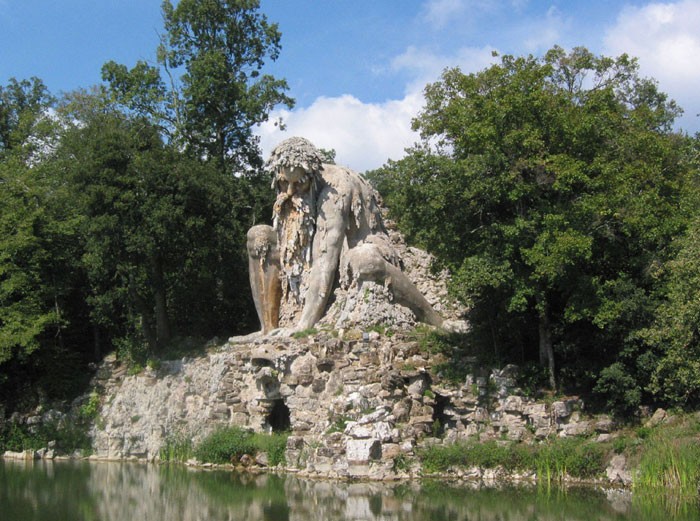
To wander through these grounds is to enter a "Garden of Wonders," a proto-theme park of the Renaissance era where water and stone perform in eternal harmony. The mastery of hydraulic engineering is evident in the cooling arches of fountain jets that dance across the central descent, designed to offer a refreshing reprieve without ever drenching the strolling guest. At the heart of this verdant expanse stands the monumental Colossus of the Apennines, a colossal figure that commands the landscape with its dramatic pose and expressive, Mannerist energy. This titan, alongside an extraordinary assemblage of sculptures, transforms the garden into an open-air gallery where the movement of the wind through the trees feels like a deliberate part of the artistic composition.
For the discerning collector or lover of fine art, the true magic of Villa Medici lies in its seamless integration of the permanent and the ephemeral. While it lacks the traditional confines of indoor galleries, its collection resides within the very atmosphere of the park. Here, one might encounter the atmospheric brilliance of Claude Lorrain’s depictions of classical grace or the delicate detail found in the works of Michel-Martin Drolling. The estate has long been a site for prestigious exhibitions that explore the intersections of patronage and innovation, celebrating how the Medici legacy shaped European culture. It remains a unique destination where art is not something to be viewed from a distance, but an environment to be inhabited—a place where every fountain, statue, and shaded grove invites a deeper contemplation of beauty, knowledge, and the enduring power of the human spirit.