
A Parisian Reverie: The Living Tapestry of Jardin du Luxembourg
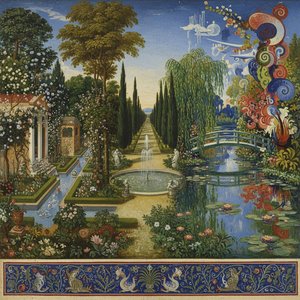
The Jardin du Luxembourg is far more than a mere public park; it is a living tapestry woven with centuries of French history, artistic inspiration, and the gentle, rhythmic pulse of Parisian life. Conceived in 1612 by Marie de' Medici as an extension of her newly constructed Luxembourg Palace, the garden initially echoed the formal elegance of the Italian Renaissance gardens she so dearly remembered from her native Florence. Over the passing centuries, however, this royal estate blossomed into a uniquely French landscape—a harmonious and sophisticated blend of meticulously sculpted parterres and more naturalistic English garden elements. To walk through its grounds today is akin to stepping directly into a masterpiece painting, where every vista feels carefully composed by an invisible hand, yet remains invitingly accessible to the wandering soul.
The very air within these 23 hectares hums with the echoes of royal footsteps, whispered conversations, and the laughter of generations who have sought solace and inspiration within its borders. While not a museum in the traditional, enclosed sense, the Jardin du Luxembourg functions as a magnificent open-air gallery. It showcases a remarkable collection of sculptures that pay homage to queens, celebrated women from French history, and prominent figures of art and literature. These statues are not merely decorative ornaments; they are thoughtfully placed throughout the greenery, engaging in a silent, stone dialogue with the surrounding flora and architecture. The Medici Fountain, a jewel of early 17th-century garden design, stands as a testament to this artistic vision, its grottoes and cascading water creating an enchanting atmosphere that invites deep contemplation and offers a cool, misty respite from the warmth of the Parisian sun.
Architectural Grandeur and Horticultural Artistry
Beyond the sculptural whispers, the garden’s horticultural artistry is equally captivating, offering a sensory experience that changes with the turning of the seasons. Immaculately maintained flowerbeds explode with vibrant color, while expansive, velvet-like lawns provide tranquil spaces for relaxation and quiet reflection. For those seeking a more secluded experience, the English Garden, known as the Chartreux Nursery, offers winding paths that lead to peaceful retreats hidden amongst lush, verdant greenery. This duality of design—the geometric precision of the French style introduced by Jacques Boyceau de la Barauderie and the softer, romantic elements added during the July Monarchy and under Napoleon III—creates a landscape of profound depth and character.
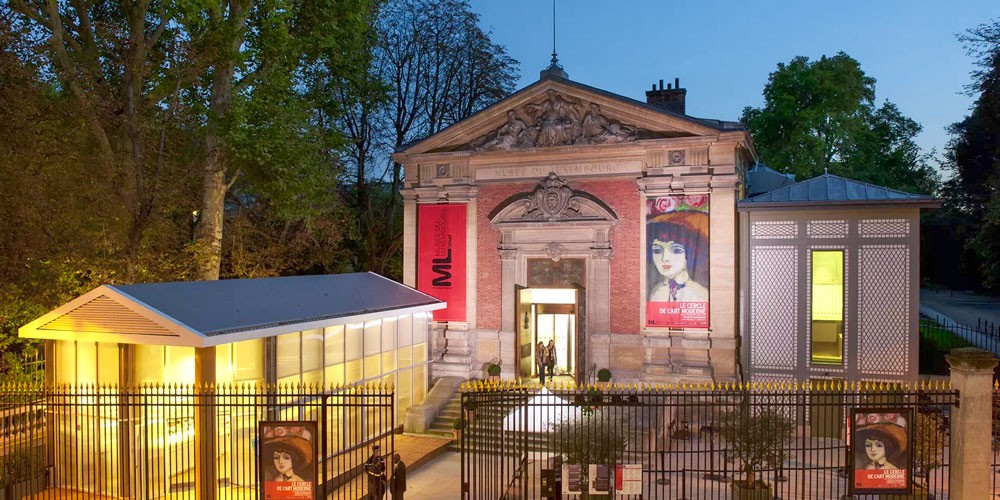
The architectural backdrop of the Luxembourg Palace further elevates this experience. Its stunning Baroque façade serves as a symbol of royal power and artistic achievement, providing a monumental frame for the gardens below. The palace's opulent interiors and the garden's structured grandeur work in tandem to remind visitors of the site's evolution from a private royal sanctuary to a vibrant cultural hub currently owned by the French Senate. This transition from exclusivity to public delight is perhaps the garden's most beautiful achievement, as it now hosts seasonal art exhibitions that showcase contemporary artists alongside classical sculptures, enriching the visitor's understanding of how artistic traditions evolve through time.
A Timeless Sanctuary for the Parisian Spirit
What truly distinguishes the Jardin du Luxembourg from any other landscape in Paris is its unique ability to cater to a diverse tapestry of human experience. It is a place where the boundaries between high art and everyday life dissolve seamlessly. One might witness families gathering for picnics and pony rides, students finding quiet, sun-dappled corners for intense study, or chess players engaged in spirited, silent matches. The iconic Grand Bassin, with its miniature sailboats gliding across the water, evokes a sense of childlike wonder that transcends age. It is a space where lovers stroll hand-in-hand along the central promenade and musicians provide the soundtrack to afternoon strolls during concerts au Jardin du Luxembourg.
For the art lover, the collector, or the interior designer seeking inspiration, the garden offers an endless palette of textures, light, and composition. It embodies the very essence of the Parisian spirit—a celebration of beauty, culture, and the simple, profound joys of life. To visit the Jardin du Luxembourg is not simply to visit a location in Paris; it is to experience Paris itself, distilled into a breathtaking landscape of historical significance and aesthetic refinement.