


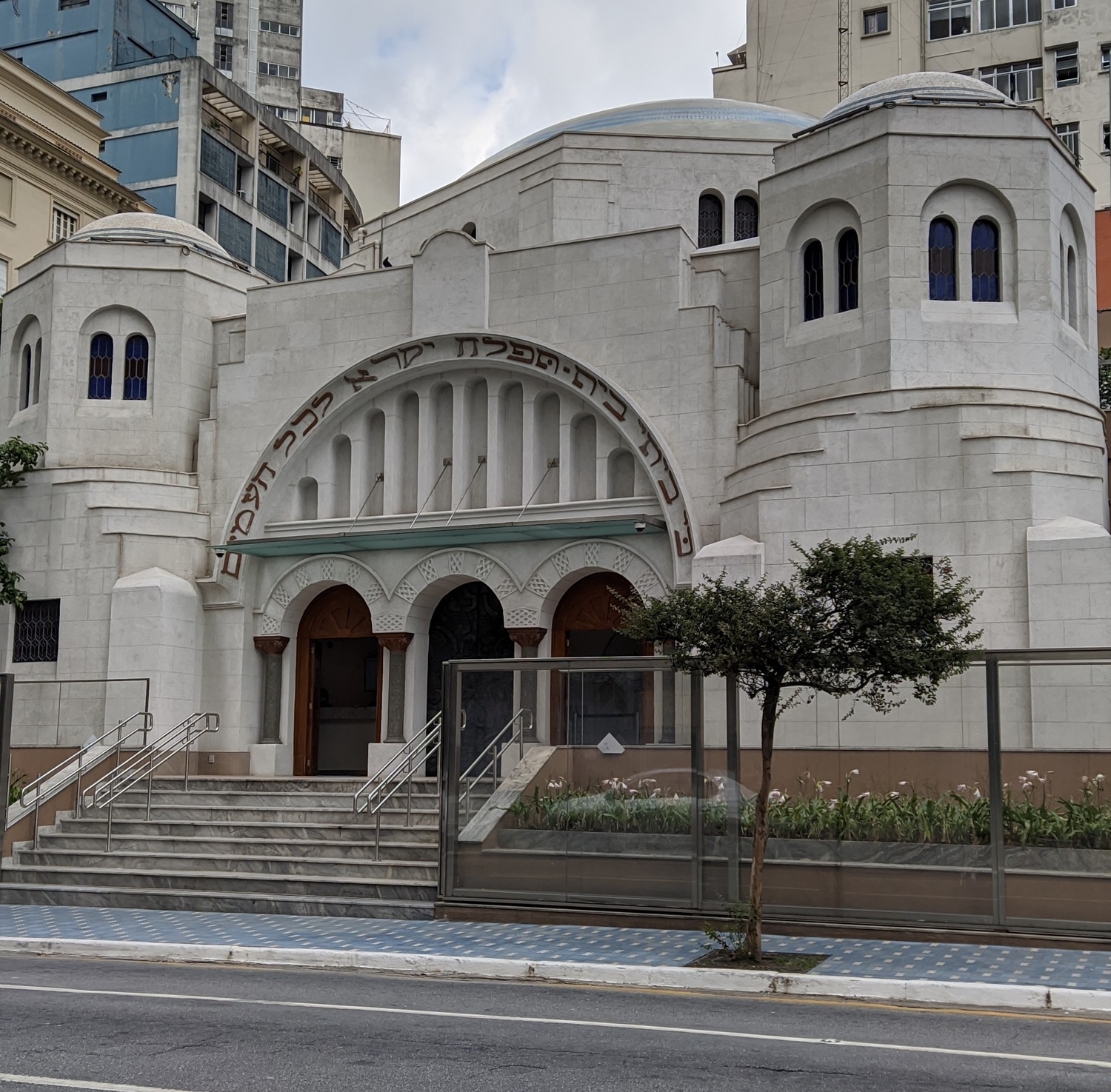
A Tapestry of Resilience: The Jewish Museum of São Paulo
In the vibrant, multicultural heart of São Paulo, where the pulse of Brazil’s largest metropolis meets a profound sense of historical continuity, lies the Jewish Museum of São Paulo. This is not merely a silent repository for the past; it is a living, breathing narrative of a community that has woven itself into the very fabric of Brazilian society. The museum serves as a poignant window into the lives of Jewish immigrants who arrived in the 20th century, carrying with them the heavy weight of European diaspora traditions and the light of new beginnings. As visitors wander through its halls, they encounter a profound dialogue between memory and adaptation, witnessing how ancient customs were preserved even as they blossomed within the tropical dynamism of South America.
The museum’s physical presence is as significant as its curated contents. Housed in a structure that originated in 1928 as the Beth El Synagogue, the architecture itself tells a story of transformation and sacred continuity. The building, a stunning example of Byzantine Revival style, possesses a unique seven-sided geometry that evokes a sense of celestial harmony. Having been meticulously restored through decades of dedicated preservation efforts, the museum transitioned from a place of worship to a cultural beacon in 2021. This architectural evolution mirrors the journey of the community itself—repurposing the foundations of tradition to create a space for education, dialogue, and the shared celebration of heritage.
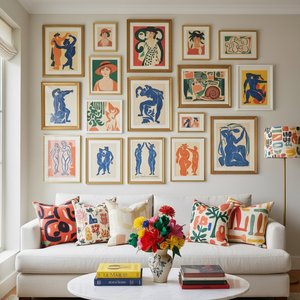
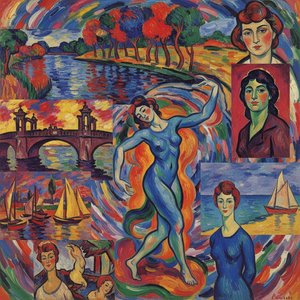
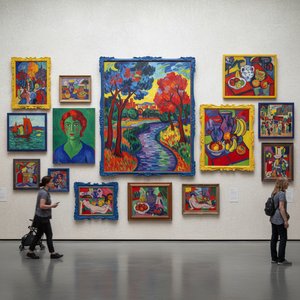
To step into the collection is to embark on an aesthetic journey that transcends borders. The museum’s holdings are a masterful blend of personal artifacts and high art, illustrating the intersection of Jewish identity with global artistic movements. One might find themselves captivated by the striking Fauvist energy of Henri Matisse’s “Torse de plâtre et bouquet,” a piece that demonstrates how European modernism found a resonant home in São Paulo. This dialogue between the local and the international is further enriched by works like Maria Auxiliadora da Silva’s “Chuva Sobre São Paulo,” which uses expressive brushstrokes to capture the atmospheric soul of the city. For the art lover or the discerning collector, these juxtapositions offer a rare glimpse into how cultural identity is expressed through the universal language of color and form.
Beyond the canvases and the relics, the museum offers an immersive exploration of the Bom Retiro district’s legacy—a historic enclave that served as the epicenter for Jewish textile businesses and immigrant life. The exhibits delve deeply into the linguistic, musical, and scientific contributions of Brazilian Jews, ensuring that their impact on the nation's intellectual landscape is never forgotten. For interior designers seeking inspiration or historians tracing the currents of migration, the museum provides a rich palette of textures, stories, and symbols. It remains an essential destination for anyone wishing to understand how a community maintains its soul while embracing the beautiful, chaotic embrace of a new world.