
A Tapestry of Time: Discovering the Kulturgeschichtliche Museum Osnabrück
Nestled in the heart of Lower Saxony, Germany, the Kulturgeschichtliche Museum Osnabrück serves as much more than a mere repository for artifacts; it is an immersive journey through millennia of human creativity and cultural evolution. To step within its walls is to enter a dialogue between the ancient past and the vibrant present. The museum’s narrative begins long before written records, delving into the primal era of the Osnabrück region. Here, visitors encounter remarkable tools crafted from flint and mammoth ivory—tangible, silent witnesses to a time when human ingenuity was forged in the crucible of a challenging landscape. These objects are far more than archaeological specimens; they are imbued with a profound symbolism, representing our earliest connections to the natural world and the very dawn of civilization.
As one moves through the museum's layers, the focus shifts from the prehistoric to the urban growth of Osnabrück itself. The collection traces the city’s metamorphosis from its Romanesque origins to its later Baroque splendor, offering a window into the architectural masterpieces and historical documents that defined its formative years. This evolution is beautifully complemented by the presence of ancient art, fine handicrafts, and an exquisite array of coins and medals. For the discerning collector or lover of history, the museum offers a rare glimpse into the everyday culture of bygone eras, showcasing traditional costumes and intricate designs that reveal the social fabric of the region's past.
The Golden Glimmer of the Dutch Masters
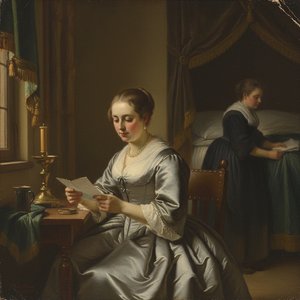
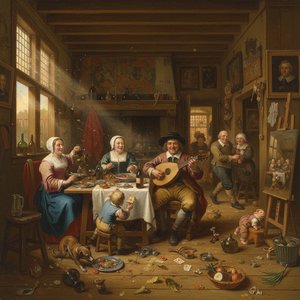
Perhaps the most captivating jewel in the museum’s crown is its celebrated collection of Dutch Masters paintings. This assemblage represents a cornerstone of European art history, capturing the intense artistic fervor of the 17th century. The canvases within this collection are masterclasses in light and shadow, where artists like Gerard ter Borch and Jan Breughel achieved a breathtaking realism that continues to mesmerize contemporary viewers. Ter Borch’s portraits offer intimate, psychologically profound glimpses into aristocratic life, while Breughel’s landscapes present rural scenes brimming with symbolic detail and moral allegory.
For interior designers and art enthusiasts seeking inspiration, these works provide an unparalleled study in texture and atmosphere. The meticulous brushstrokes and the masterful manipulation of light create a sense of depth that transcends the frame, making each piece a window into another world. This collection does not merely display skill; it invites contemplation on the human condition, using the medium of oil on canvas to freeze moments of emotion and quiet beauty forever.
Architectural Harmony and Cultural Legacy
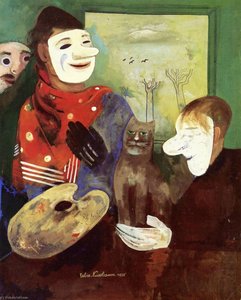
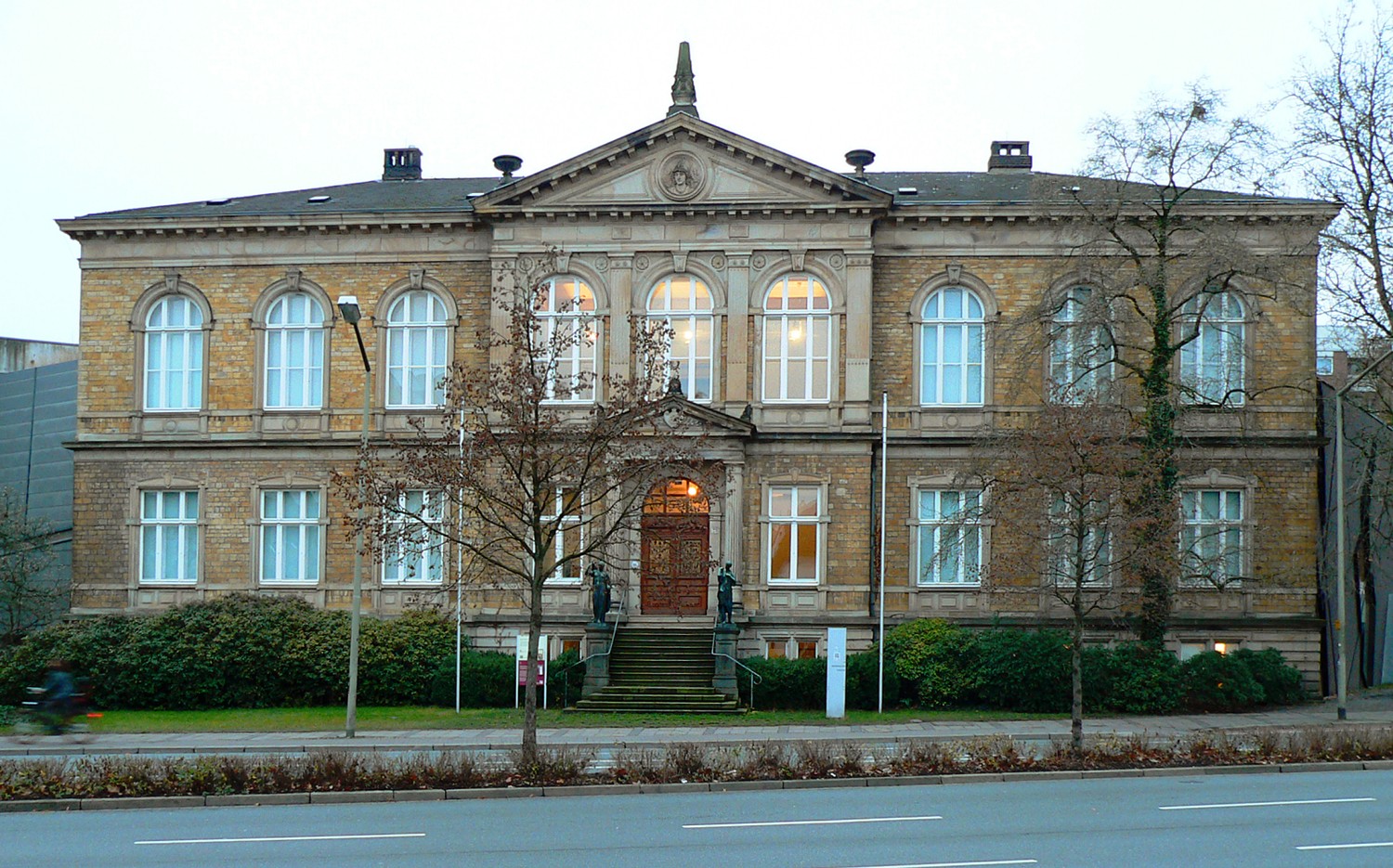
The museum’s physical presence is as compelling as its contents, representing a harmonious blend of historic grandeur and modern innovation. Housed in a stately neoclassical building at Heger-Tor-Wall and the elegant Villa Schlikker, the institution forms a vital part of the Museumsquartier Osnabrück. This complex, which includes the architecturally significant Felix Nussbaum House designed by Daniel Libeskind, creates a cohesive environment where history and contemporary design intersect. The architecture itself tells a story of expansion and resilience, having evolved through periods of war damage and continuous renewal to become an award-winning cultural landmark.
What truly distinguishes the Kulturgeschichtliche Museum Osnabrück is its holistic approach to storytelling. It refuses to confine itself to a single narrative thread, instead weaving together the Stüve Collection’s historical treasures with modern educational programs and community workshops. It stands as a vibrant hub of cultural activity—a place where the legacy of the past inspires the creativity of the future. Whether one is drawn by the allure of 17th-century mastery or the archaeological mysteries of the prehistoric era, the museum offers an enduring sanctuary for intellectual curiosity and artistic appreciation.