

A Symphony of Stone and Spirit: The Living Gallery of Meiji Jingu
To step into the Meiji Jingu Forest Festival of Art is to leave the frenetic pulse of Tokyo behind and enter a realm where the boundaries between human creativity and the natural world dissolve. This is not a museum of sterile white walls and climate-controlled silence; rather, it is a pilgrimage through a sacred landscape. Established to commemorate the centenary of Emperor Melev Meiji, the festival transforms the ancient, verdant groves surrounding the Meiji Jingu Shrine into an immersive, breathing gallery. Here, art does not merely sit within a space—it engages in a profound dialogue with the towering cedars and the dappled sunlight that filters through the canopy. For the art lover, it offers a rare opportunity to witness works that are deeply rooted in their environment, fostering a sense of contemplation about our enduring relationship with the earth.
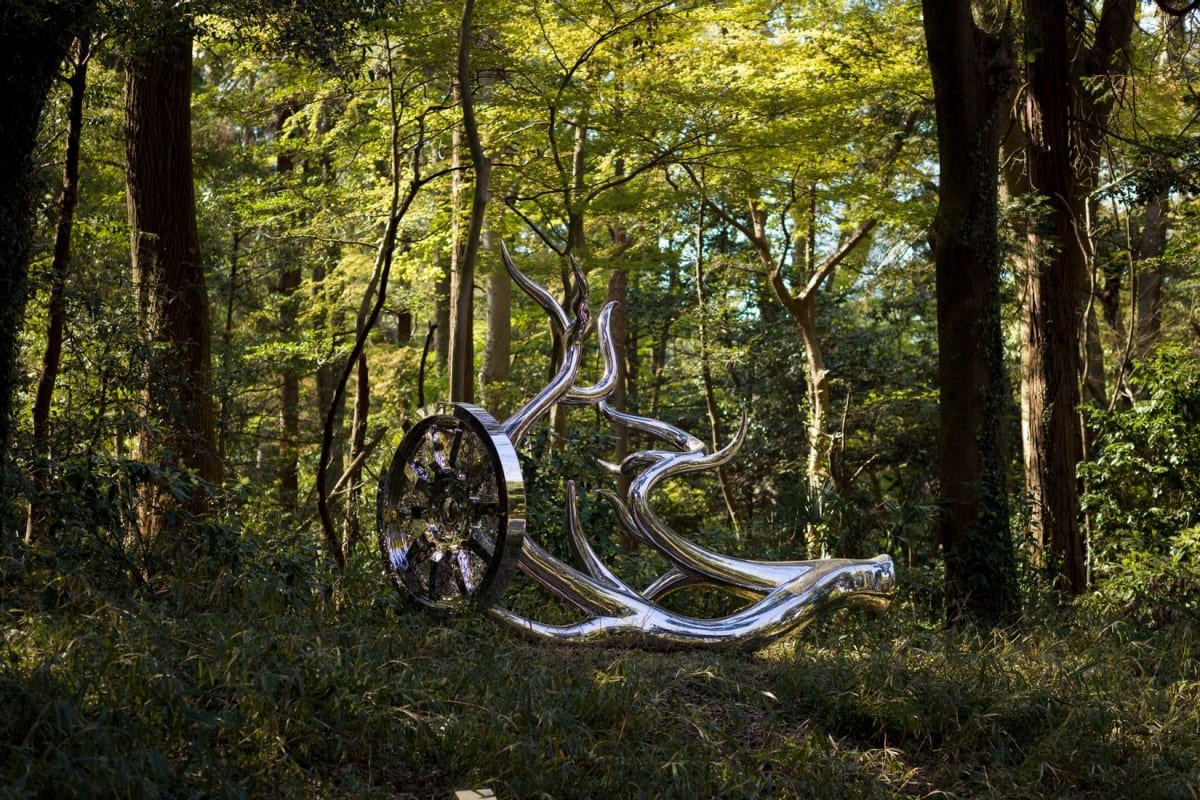
The collection itself is a breathtaking testament to the vitality of contemporary Japanese expression, showcasing a diverse spectrum of mediums that range from monumental sculpture to ethereal digital art. One cannot wander these winding paths without being captivated by the interplay of light and form. A standout highlight for collectors and enthusiasts alike is Kohei Nawa’s White Deer (Meost Jingu) . Created in 2020, this luminous sculpture acts as a spectral messenger within the forest shadows. As sunlight dances across its pale surface, the piece blurs the line between physical reality and digital perception, embodying Nawa's fascination with how we perceive form through light. Such works are complemented by the tactile presence of artists like Takahiko Kaino and Takanori Ishizuka, who utilize locally sourced materials like cedar wood and stone to create installations that mirror the shrine’s own architectural grandeur and celebrate the spirit of Japanese folklore.
What truly distinguishes this festival is its radical approach to architectural harmony. The "architecture" of the museum is the forest itself—a meticulously landscaped sanctuary designed to evoke reverence and tranquility. The festival utilizes the rugged rock walls, rhythmic textures of ancient trees, and the shifting seasonal atmosphere as a living canvas. This intentional integration ensures that every piece, whether it be a surrealist canvas or a glass-beaded PixCell installation, feels like an organic extension of the landscape. For interior designers and curators, the festival serves as a masterclass in environmental integration, demonstrating how art can transcend its physical boundaries to become part of a larger, holistic ecosystem of beauty and sustainability.
As an annual celebration of "Celebrate, Pray, Create," the Meiji Jingu Forest Festival of Art continues to evolve, bridging the gap between established masters and emerging talents. It remains a beacon of Japan's enduring spirit—a place where tradition is not preserved in amber but is reimagined through the lens of modern innovation. To visit is to experience a profound sense of peace, leaving one with a renewed appreciation for the delicate balance between human endeavor and the magnificent, untamed splendor of the natural world.