

A Jewel of Western Massachusetts: The Michele & Donald D’Amour Museum of Fine Arts
Nestled within the vibrant cultural landscape of Springfield, Massachusetts, the Michele & Donald D’Amour Museum of Fine Arts stands as a testament to both artistic legacy and community enrichment. More than just a repository of masterpieces, it's a place where history breathes through the brushstrokes of renowned artists, architectural grandeur whispers tales of bygone eras, and the spirit of innovation continues to shape the museum’s evolving narrative. Established in 1933 as the Springfield Museum of Fine Arts—a collaborative project with the adjacent Science Museum—the institution has undergone a remarkable transformation, culminating in its current identity as a premier destination for art enthusiasts seeking a diverse and engaging experience.
The museum's core collection is a captivating journey through centuries of artistic expression. A particular strength lies in its impressive 19th-century French art holdings, boasting vibrant canvases by the Impressionist masters – Monet’s delicate studies of light, Degas’s evocative depictions of ballet life, Gauguin’s explorations of Polynesian themes, Pissarro's landscapes brimming with rural charm, and Renoir’s luminous portraits. Beyond France, visitors will discover a stunning array of Hudson River School paintings, transporting them to the majestic beauty of American wildernesses – sweeping vistas of mountains, forests, and rivers rendered with breathtaking detail and romanticism. The museum’s Japanese prints collection is equally noteworthy, offering a window into the intricate artistry and philosophical depth of this ancient tradition. Furthermore, the museum's commitment to European art extends to its significant holdings of 16th and 17th-century Dutch and Flemish masterpieces, showcasing the technical brilliance and profound symbolism characteristic of these masters.
A Building Steeped in History and Art Deco Elegance
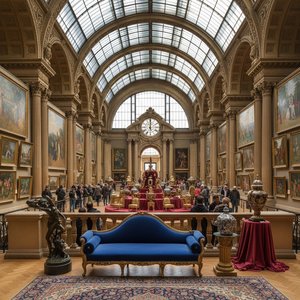
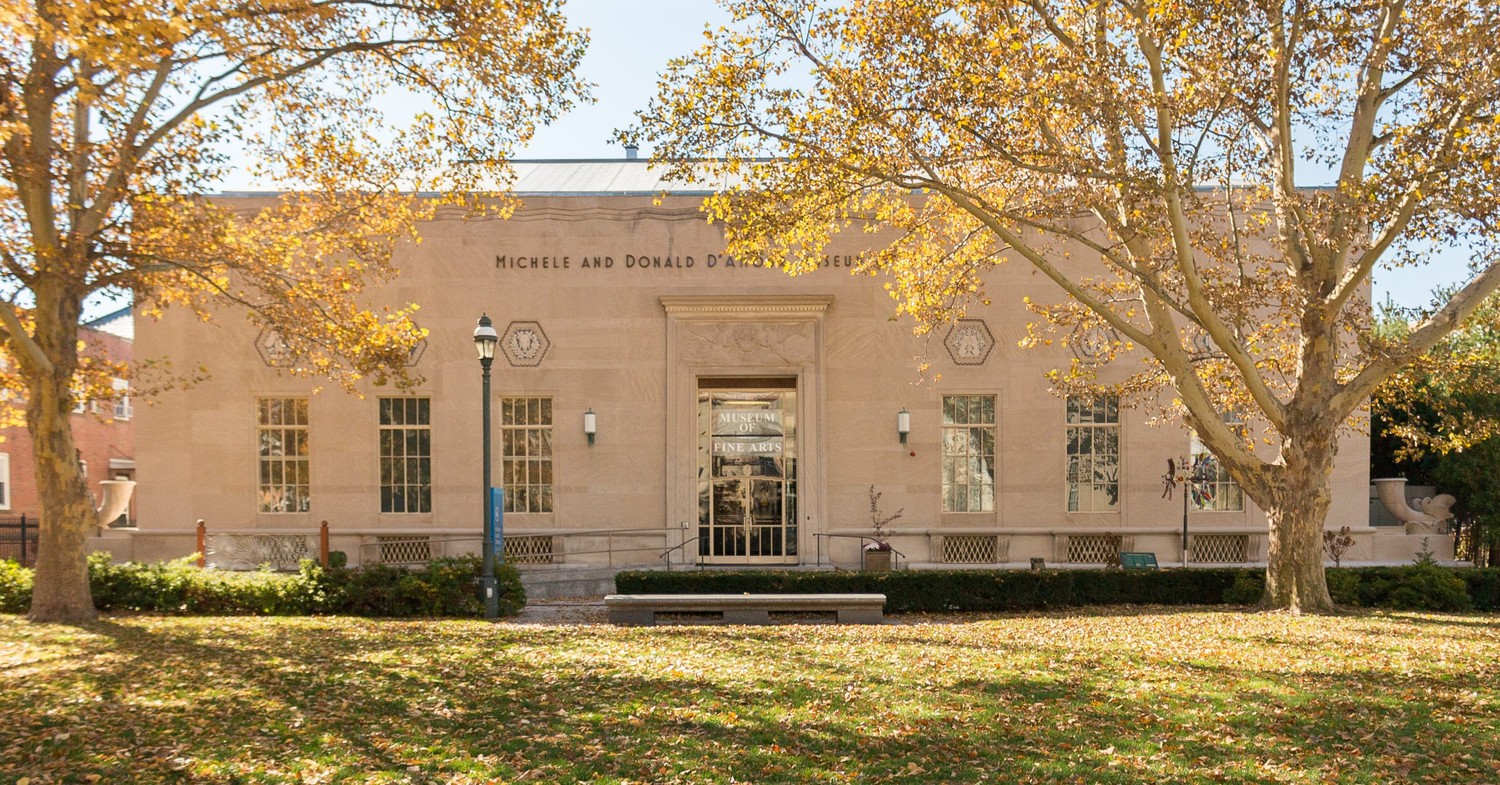
The D’Amour Museum's physical space is as captivating as its collection. Designed by the esteemed New York firm Tilton and Githens in an elegant Art Deco style, the building itself is a landmark—a striking example of streamlined design and geometric precision. Constructed in 1933 with funds from the estate of Dr. and Mrs. James Philip Gray, it was originally conceived as a unified architectural project alongside the Springfield Science Museum. The museum’s façade, characterized by its stepped setbacks, vertical lines, and decorative motifs, reflects the optimism and dynamism of the Art Deco era. The Blake Court Gallery, housing Erastus Salisbury Field's monumental “The Historical Monument of the American Republic,” is particularly striking—a grand space designed to showcase a significant work of art.
A Legacy of Transformation and Partnership
The museum’s history isn’t simply one of preservation; it’s marked by active engagement with the wider artistic world. A pivotal moment arrived in 2001 when the museum returned a stolen Jacopo Bassano painting, “Spring Sowing,” to Italy—a testament to its commitment to ethical practices and international collaboration. This act was followed by the receipt of another Bassano work as a gift, further enriching the collection. In 2008, the museum received a generous donation from Michele and Donald D’Amour, leading to its renaming and a renewed focus on community outreach. More recently, in 2018, a strategic partnership with the Boston Museum of Fine Arts opened exciting new avenues for art exchange and expanded exhibition opportunities—a testament to the museum's forward-thinking approach.
Beyond the Masterpieces: Unique Experiences at the D’Amour
The Michele & Donald D’Amour Museum of Fine Arts offers more than just a static display of artworks; it provides a dynamic and engaging experience for visitors. Rotating exhibitions regularly bring fresh perspectives and contemporary voices to the museum, showcasing works by artists such as Isabel Bishop, Marc Chagall, Ai Weiwei, and Lisa Hoke. The museum's commitment to accessibility is evident in its diverse programming—including lectures, workshops, and family-friendly activities—making art accessible to all members of the community. The building itself, with its carefully curated spaces and informative displays, serves as an integral part of the visitor experience, offering a glimpse into the history of the museum and the architectural principles that shaped it.
A Hub for Art and Community
As part of the broader Springfield Museums complex, the D’Amour Museum seamlessly integrates with its neighboring institutions—the Springfield Science Museum and the DaVinci Center—creating a vibrant cultural destination. The museum's location on the Quadrangle further enhances its accessibility and appeal, inviting visitors to explore the rich artistic and scientific heritage of Springfield. The Michele & Donald D’Amour Museum of Fine Arts is not merely a museum; it’s a vital center for art appreciation, education, and community engagement—a true gem of Western Massachusetts.