



A Journey Through the Golden Heart of Magna Graecia
In the sun-drenched coastal city of Taranto, where the two seas meet, lies a sanctuary of antiquity that transcends the mere display of relics. The National Archaeological Museum of Taranto, known affectionately as MArTA, offers much more than a chronological survey of the past; it provides a profound sensory immersion into the very soul of Magna Graecia. To step through its doors is to embark on a voyage through time, tracing the footsteps of ancient philosophers, warriors, and artisans who once flourished in Southern Italy. The museum serves as a luminous bridge between the classical ideals of Greece and the enduring legacy of the Mediterranean, inviting the modern observer to rediscover a world where art and existence were inextricably linked.
The collection itself is nothing short of breathtaking, acting as a treasury for one of the most significant archaeological legacies in Europe. At the very heart of this splendor lies the legendary "Gold of Taranto." This exquisite assemblage of fine jewelry, crafted with a level of sophistication that rivals the finest modern goldsmithing, reveals the immense wealth and refined aesthetic of the ancient city. Each delicate ornament, from intricate earrings to ornate diadems, whispers stories of status, ritual, and an unparalleled mastery of precious metals. Beyond the shimmer of gold, the museum houses a vast array of Greek ceramics and vases that serve as painted chronicles of daily life, depicting mythological scenes and social rituals with a vibrant, narrative energy that continues to captivate the contemporary eye.
Architectural Elegance and the Spirit of Continuity
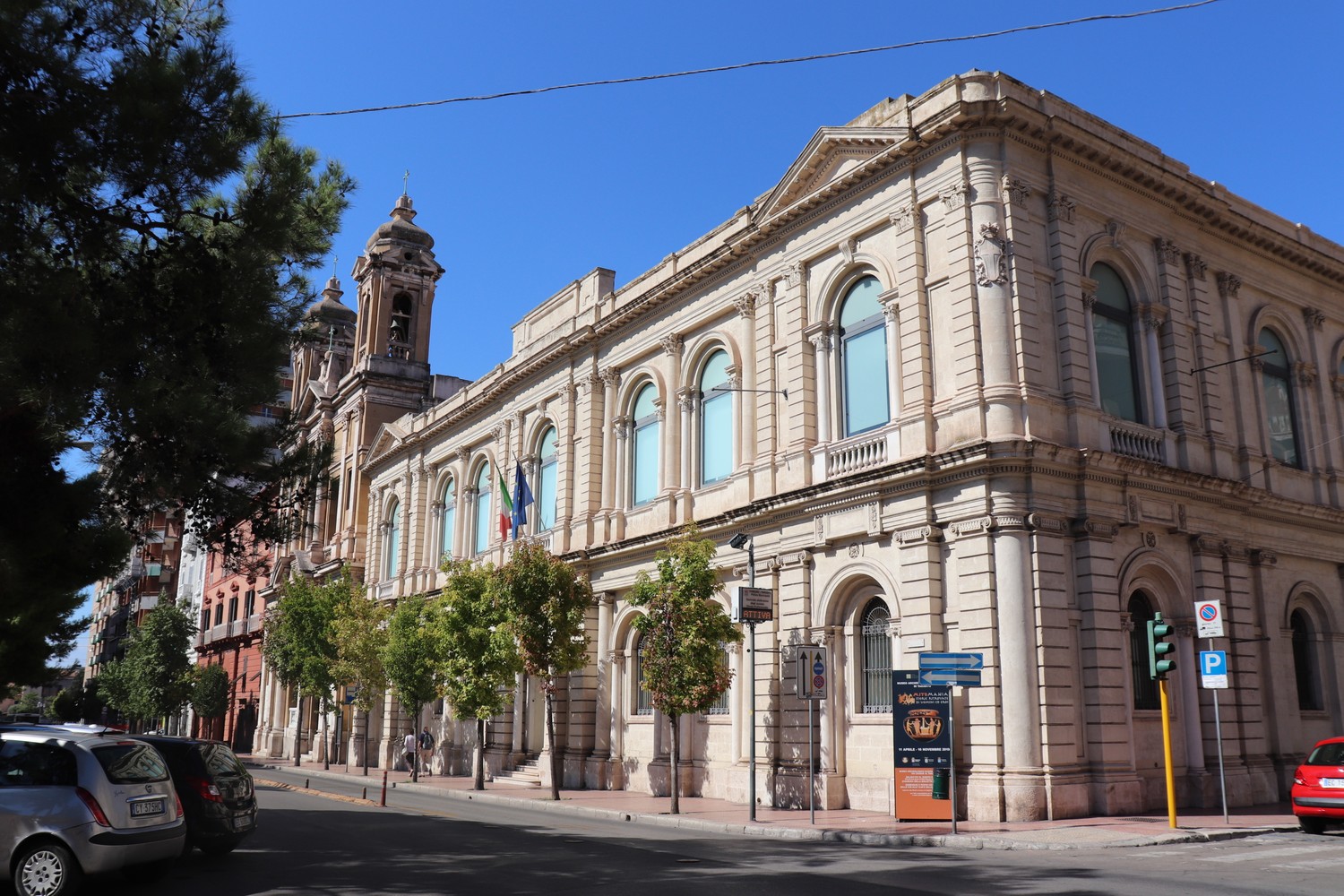
The setting for this archaeological odyssey is as much a masterpiece as the artifacts it protects. Housed within the historic former Convent of the Alcantarini Friars, the museum’s architecture reflects the neoclassical grandeur of the nineteenth century. Designed by the esteemed architect Giuseppe Calero, the building itself is a monument to cultural preservation. As one wanders through its expansive, light-filled halls, the interplay of white marble and stately proportions creates an atmosphere of serene contemplation. The architectural rhythm of the space—characterized by its noble simplicity and elegant vistas—complements the majesty of the Roman mosaics and bronze statuary, providing a dignified stage for the treasures of antiquity.
This sense of grandeur is further enriched by the museum's historical evolution. Since its establishment in 1887, MArTA has been a beacon of scientific inquiry and cultural pride. It has transformed from a local initiative led by passionate intellectuals into an internationally recognized institution under the stewardship of the Italian Ministry of Culture. This evolution mirrors the broader history of Italy itself—a continuous process of rediscovery and reinterpretation. For the art lover or the interior designer seeking inspiration, the museum offers a masterclass in how historical weight can be balanced with aesthetic lightness, making it a profound source of creative rejuvenation.
Innovation Amidst Antiquity
What truly distinguishes MArTA in the modern era is its refusal to remain a static relic of the past. While its foundations are deeply rooted in the ancient world, the museum breathes with the vitality of contemporary thought. It has embraced the digital frontier, utilizing advanced technologies such as virtual reality and immersive audio guides to breathe new life into silent stones and weathered bronzes. These innovations do not overshadow the artifacts but rather deepen the dialogue between the viewer and the object, allowing for a more intimate understanding of the context in which these treasures were originally created.
The museum’s commitment to contemporary relevance is also evident in its curated exhibitions, which frequently explore the intersections between ancient aesthetics and modern Italian art. This dynamic programming ensures that MArTA remains a living, breathing cultural hub, stimulating new perspectives on how we perceive beauty and heritage today. For collectors and enthusiasts of fine art, the museum represents the ultimate intersection of history, craftsmanship, and innovation—a place where the echoes of the ancient world find a resonant, modern voice.