
A Sanctuary of Sienese Splendor
Nestled within the medieval heart of Buonconvento, the Museo d'Arte Sacra della Val d'Arbia serves as a profound testament to the spiritual and artistic soul of Tuscany. This is not merely a repository of objects, but a curated journey through the devotional fervor that once animated the Val d’Arbia valley. The museum’s origins are deeply rooted in local piety; founded in 1926 by the visionary parish priest Crescenzio Massari, it began as a humble mission to rescue and preserve sacred treasures scattered across local churches. Today, what was once a modest collection of ecclesiastical artifacts has blossomed into a significant cultural beacon, offering an intimate encounter with the zenith of the Sienese School.
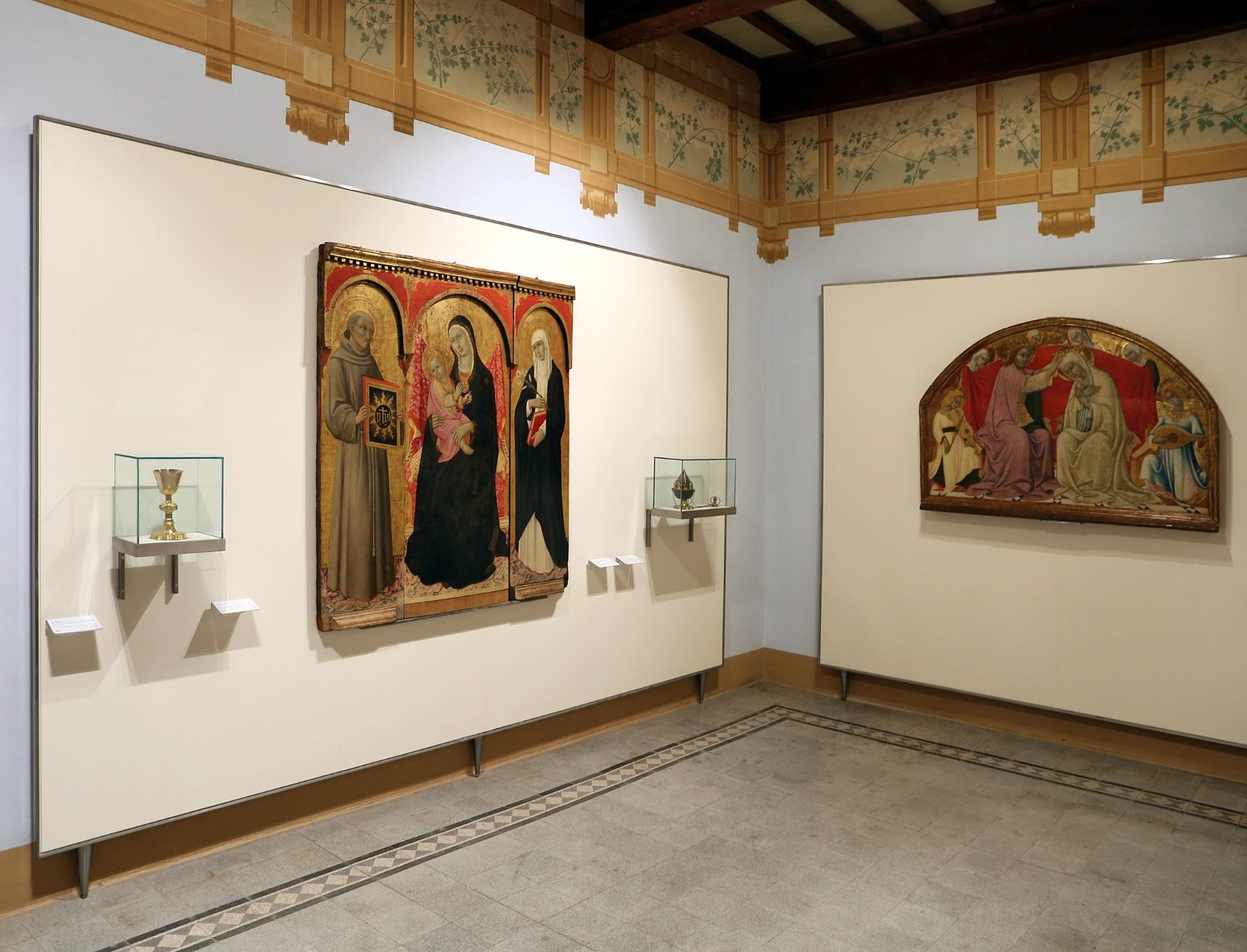
The museum’s architectural setting, the Palazzo Ricci Socini, provides a majestic stage for these masterpieces. A fifteenth-century marvel of Sienese grandeur, the palazzo retains its original façade and evocative interior spaces, creating an atmosphere where history and art breathe in unison. Situated adjacent to the parish church of Santi Pietro e Paolo, the museum exists in a state of perpetual dialogue with the sacred, making every visit feel like a pilgrimage through time. For the art lover or the discerning collector, the setting offers more than just a backdrop; it provides the essential context of a world where beauty was an inseparable extension of faith.
Masterpieces of Light and Devotion
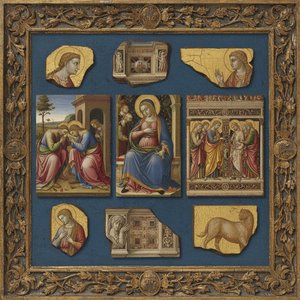
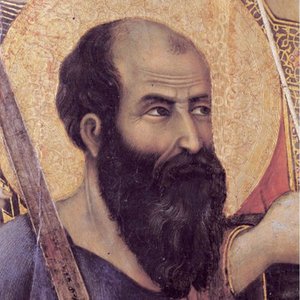
To walk through the halls of the Museo d'Arte Sacra is to witness the evolution of Sienese elegance. The collection is anchored by the breathtaking Madonna di Buonconvento by Duccio di Buoninsegna, a work that defines the ethereal luminosity and delicate drapery characteristic of his hand. This masterpiece acts as a celestial window, drawing the viewer into a realm of soft light and profound grace. Nearby, the innovative spirit of the late Middle Ages is palpable in Andrea di Bartolo’s 1397 tetraptych of the Annunciation, where complex compositions and solemn reverence converge to command the observer's attention.
The museum also offers a dramatic exploration of theological narrative through the works of Pietro Lorenzetti. His ambitious frescoes, depicting the harrowing depths of Hell and the radiant glory of Paradise, showcase an early mastery of perspective and color that continues to captivate modern sensibilities. This dialogue between the earthly and the divine is further enriched by Sano di Pietro’s Coronation of the Virgin , a work that captures the sheer grandeur of religious ceremony through masterful, expressive brushstrokes. For those interested in the broader currents of the Renaissance, the presence of Benvenuto di Giovanni's Annunciation provides a poignant link to the Florentine School, illustrating how the artistic tides of Tuscany flowed between competing yet complementary traditions.
The Materiality of Faith
Beyond the profound narratives found on canvas, the museum invites an appreciation for the exquisite craftsmanship of the medieval and Renaissance eras. The collection extends into the tactile realm through stunning thirteenth-century alabaster sculptures, which possess a soft, translucent beauty that complements the museum's spiritual atmosphere. Furthermore, the treasury of sacred goldwork—comprising intricate liturgical vestments and ornate reliquaries—reveals the opulent tastes of Siena’s ecclesiastical patrons. These objects are not merely relics; they are triumphs of metalwork and textile art that illuminate the material culture of a bygone age.
For interior designers and lovers of fine detail, the museum offers endless inspiration in its interplay of texture, gold leaf, and pigment. The way light interacts with the gilded surfaces of the altarpieces and the smooth finish of the alabaster creates a sensory experience that is both intellectually stimulating and emotionally soothing. In every corner of the Museo d'Arte Sacra della Val d'Arbia, one finds a legacy of dedication—a story of how a local parish initiative transformed into a sanctuary of eternal beauty, preserving the luminous heritage of Tuscany for the world to behold.