


A Window into Lübeck’s Artistic Soul
Nestled within the historic heart of the Hanseatic City of Lübeck, a city where every cobblestone seems to whisper tales of maritime glory, lies the Museum für Kunst und Kulturgeschichte der Hanestadt Lübeck. This is not merely a repository for relics; it is a profound encounter with the very spirit of a bygone era. As one enters, the museum serves as a bridge between the contemporary world and the illustrious past of a city that once stood as a dominant force in European trade. The atmosphere is thick with the weight of history, offering visitors a sanctuary where the artistic legacy of the Baltic region is preserved with reverence and grace.
The collection finds its most breathtaking expression in the realm of medieval devotion. Here, sculptural works emerge from the shadows of history to tell stories of profound spiritual truths. These are not mere ornaments but visual narratives carved with a precision that reflects the intense religious convictions of the Middle Ages. To walk through these galleries is to witness the mastery of craftsmen who sought to capture the divine through the tactile reality of stone and wood, creating an immersive experience that transcends time.
The Masterpieces of the Northern Renaissance
Perhaps the most luminous jewel in the museum’s crown is its dedication to the legacy of Hans Memling. For the discerning art lover or collector, encountering these altarpieces is a transformative event. Representing the absolute pinnacle of Burgundian Renaissance art in Northern Europe, Memling’s works are symphonies of color and texture. Each panel is a testament to the meticulous technique of the era, where every brushstroke serves a higher purpose of humanist ideal and spiritual transcendence. The light captured within these oil paintings seems to glow from within, inviting a deep contemplation of themes such as piety, redemption, and the delicate beauty of the human condition.
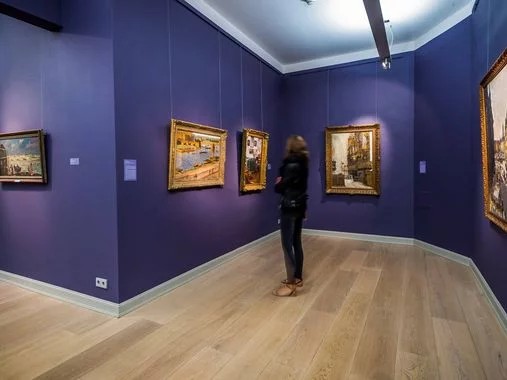
Beyond the singular brilliance of Memling, the museum offers a sweeping panorama of German art history. Visitors can trace a magnificent evolution of aesthetic sensibilities, moving from the somber grandeur of the Gothic period to the exuberant splendor of the Baroque. This chronological journey allows one to see how the cultural landscape of Lübeck was shaped by centuries of artistic patronage and the shifting tides of European influence. For interior designers seeking inspiration, the museum provides an endless palette of historical motifs, textures, and compositions that have defined European elegance for generations.
Architectural Resonance and Cultural Heritage
The museum itself is a masterpiece of architectural continuity, situated within the prestigious UNESCO World Heritage Site of Lübeck. The building’s facade, which harkens back to the grandeur of medieval Lübeck, acts as a seamless extension of the city's historic character. Inside, the thoughtfully designed spaces are curated to complement the artworks they house, fostering an environment where the architecture and the art exist in a state of perfect dialogue. This architectural resonance ensures that the act of viewing art is always grounded in the physical reality of the history it represents.
What truly distinguishes this institution is its unwavering commitment to conveying Lübeck's unique cultural identity—a heritage forged in the fires of maritime trade and enriched by a deep-seated love for the arts. It is a place where art transcends mere visual appreciation to become a conduit for understanding the complexities of the past. Whether one is drawn by the technical mastery of a Renaissance panel or the historical significance of a medieval sculpture, the museum offers an unparalleled journey into the heart of German cultural history.




