
A Triangular Oasis of Modernity: The Spirit of MMK
Nestled along the vibrant banks of Frankfurt’s Museumsufer, the Museum für Moderne Kunst (MMK) stands as much more than a mere repository for contemporary masterpieces; it is a living, breathing testament to the power of visionary thinking. Since its inception in 1981, the museum has functioned as a crucible for artistic dialogue, born from the profound conviction of theatre critic Peter Iden that Frankfurt required a dedicated sanctuary for the avant-garde. This spirit of renewal was further ignited by the legendary Jean-Christophe Ammann, whose pioneering ‘Change of Scenery’ model revolutionized the museum experience. By reimagining the institution's inventory every six months, the MMK transformed from a static gallery into a dynamic landscape of constant metamorphosis, ensuring that the pulse of the contemporary art world is always felt within its walls.
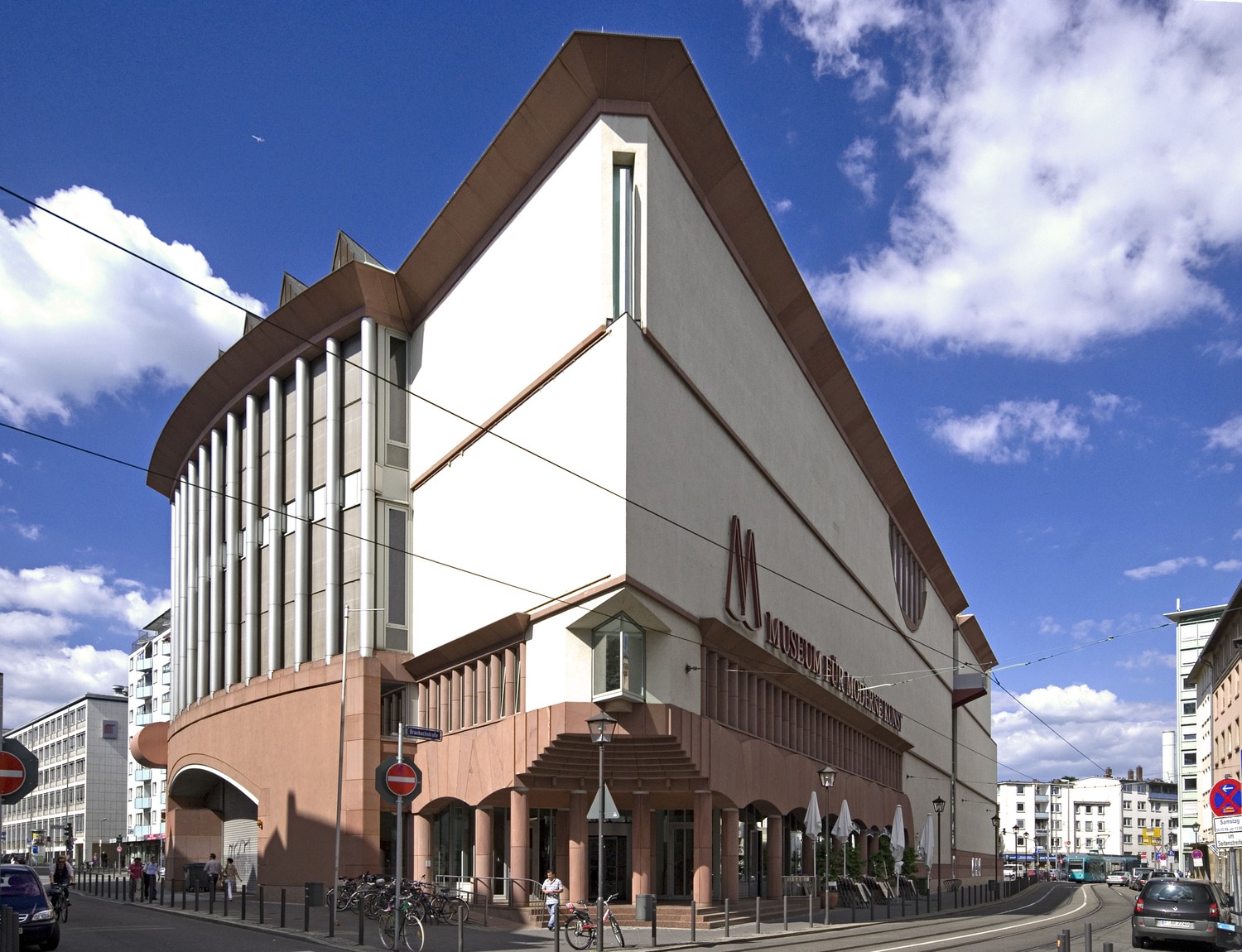
The architectural silhouette of the MMK is as provocative as the art it houses. Designed by the renowned Viennese architect Hans Hollein , the building’s striking triangular form—affectionately dubbed "Tortenstück" or "piece of cake" by locals—commands the riverside landscape with an unapologetic boldness. This architectural marvel is a masterclass in structural rationality and spatial fluidity, utilizing a sophisticated interplay of concrete and glass to dissolve the boundaries between the interior sanctuary and the external world. For the art lover and the designer alike, the building serves as a sculptural entity in its own right, providing a light-filled, modern environment that encourages deep contemplation and an intimate engagement with the textures and forms of the twentieth and twenty-first centuries.
A Legacy of Pop and Minimalism
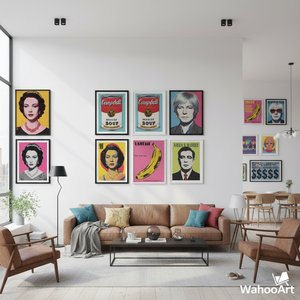
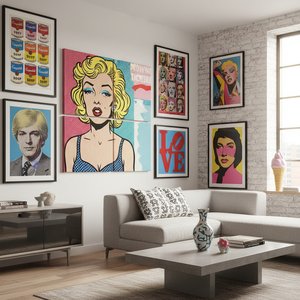
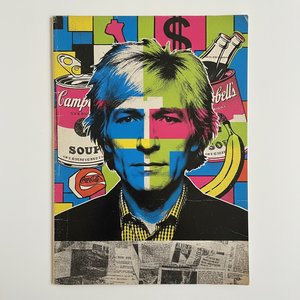
To step inside the MMK is to walk through a curated history of the post-war era, anchored by the monumental legacy of the Karl Ströher collection. This foundational endowment brought a breathtaking trove of Pop Art and Minimalism to Frankfurt, offering visitors an encounter with the icons of American popular culture. One can find themselves lost in the vibrant, repetitive energy of Andy Warhol’s silkscreen prints or captivated by the bold, graphic precision of Roy Lichtenstein’s comic-inspired canvases. Yet, the museum’s ambition extends far beyond these established masters; it is a space where the boundaries of sculpture, installation, and multimedia are perpetually pushed. Under the stewardship of directors like Susanne Pfeffer, the collection has evolved into an expansive dialogue between historical significance and groundbreaking innovation.
The MMK’s commitment to the future of art is perhaps most beautifully realized in its satellite space, MMK Zollamt . Housed in a meticulously renovated former customs office, this intimate venue serves as a vital laboratory for emerging talent, offering a platform for lesser-known artists to find their voice away from the grand scale of the main museum. This duality—the monumental and the intimate, the established and the experimental—is what makes the MMK a unique destination for collectors and enthusiasts. It is a place where history is not just preserved but actively reshaped, making every visit an opportunity to witness the unfolding narrative of modern human expression.