
A Symphony of Form and Function: The Soul of the MAK
In the heart of Vienna, where the grand Ringstraße unfolds its architectural splendor, stands the Museum of Applied Arts—affectionately known as the MAK. It is not merely a sanctuary for preserved objects, but a living, breathing dialogue between the elegance of the past and the bold provocations of the present. Founded in 1863 by Emperor Franz Joseph I, the museum was born from a revolutionary vision inspired by London’s South Kensington Museum. Its purpose was far more profound than simple curation; it was designed to bridge the gap between fine art and the functional beauty of daily life, elevating craftsmanship to a level of high artistry that could inspire both the industrialist and the dreamer alike.
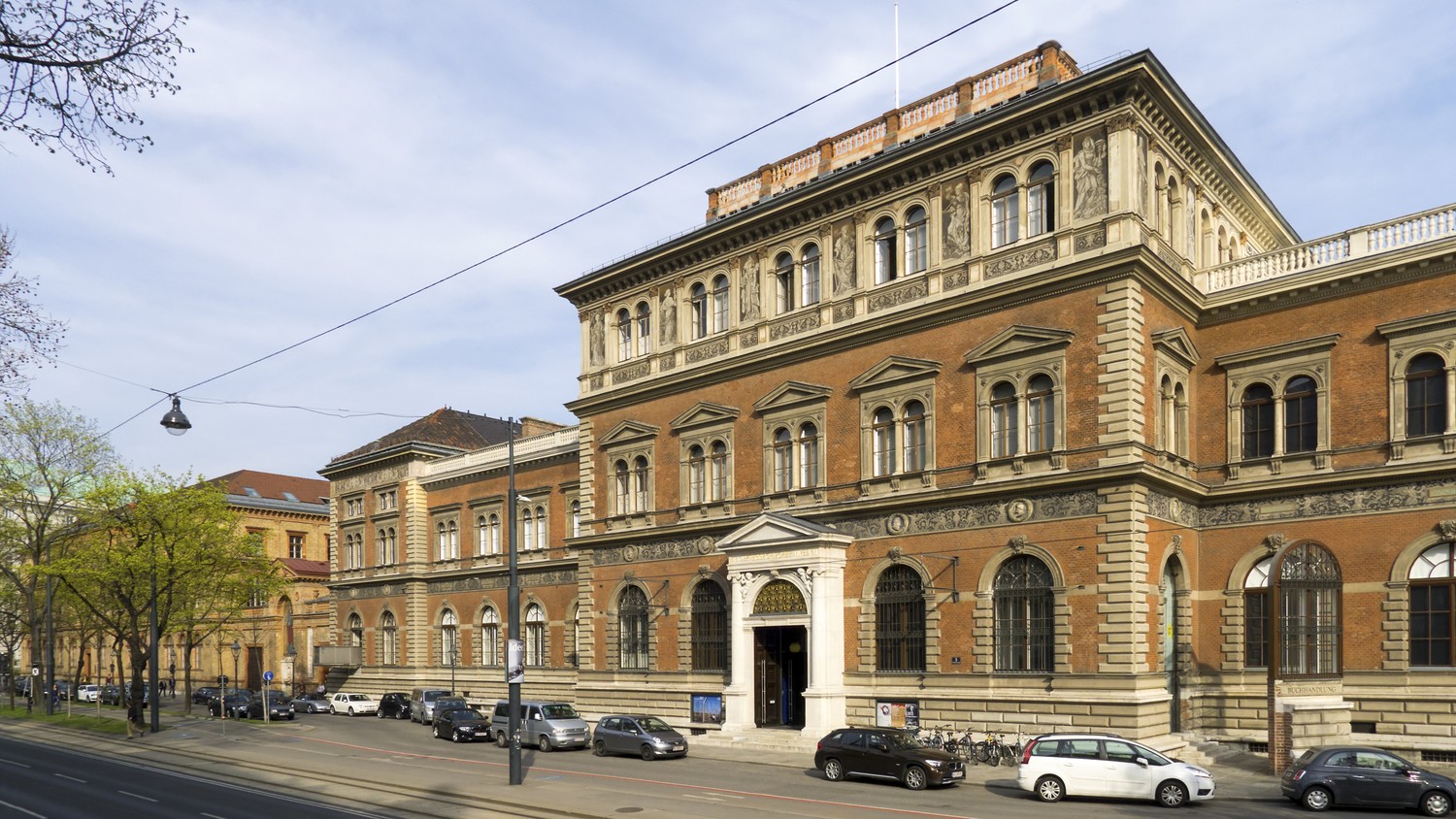
To step into the MAK is to enter a masterwork of historic Viennese architecture. The magnificent building, completed in 1871 and designed by the renowned Heinrich von Ferstel, serves as a majestic vessel for its vast treasures. Its halls reflect a harmonious blend of classical elegance and modern utility, a structural metaphor for the museum's own mission. As evening descends, the building undergoes a metamorphosis through James Turrell’s MAKlite , a permanent outdoor light installation that bathes the façade in ethereal glows, transforming the stone edifice into a captivating beacon of artistic energy that continues to pulse long after the sun has set.
A Kaleidoscope of Creative Mastery
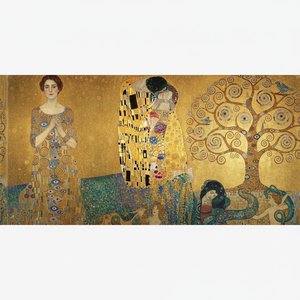
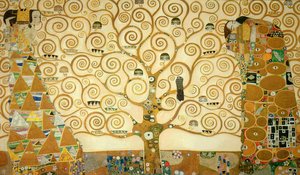
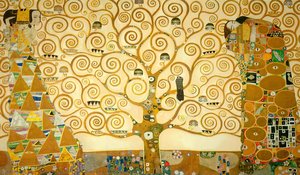
The collection within these walls is nothing short of breathtaking, boasting over 300,000 objects that trace the very evolution of human ingenuity. For the art lover and the collector, the MAK offers a journey through a kaleidoscope of textures and eras. One might find themselves lost in the opulent, swirling geometric motifs of Gustav Klimt’s Expectation , an allegorical watercolor where gold leaf and silver dance in a decadent display of Art Nouveau splendor. This seamless synthesis of fine art and applied decorative elements is a hallmark of the museum's identity, showcasing how the boundaries between a painting and a functional object can dissolve into pure aesthetic emotion.
Beyond the gilded surfaces of the Secessionist era, the museum invites exploration into the delicate intricacies of ceramics and metalwork. The works of Valerie Wieselthier offer a study in fragile grace, while the evocative porcelain creations of Anton Kolig demonstrate a mastery of form that remains timeless. For the interior designer seeking inspiration, the MAK’s architectural holdings—comprising detailed models and drawings—reveal the creative DNA behind Vienna’s most iconic structures. It is a place where one can contemplate the changing aesthetics of furniture and the profound impact of design on the human experience, making it an essential pilgrimage for anyone dedicated to the art of living well.
Pioneering the Digital and the Contemporary
What truly distinguishes the MAK from its global peers is its fearless embrace of the future. While it remains a steadfast guardian of historical craftsmanship, it has simultaneously become a pioneer of the digital frontier. In a bold statement regarding the evolving relationship between art and technology, the MAK made history in 2015 as the first museum in the world to acquire art using Bitcoin, specifically purchasing “Event listeners” by Harm van den Dorpel. This intersection of ancient craftsmanship and cutting-edge cryptocurrency underscores a museum that is never static, always looking toward the next horizon of human expression.
This forward-thinking spirit extends to its digital accessibility, as the museum maintains one of the largest online collections within Austria’s federal museums. Through an intuitive digital platform, the MAK brings its vast holdings to a global audience, ensuring that the beauty of Viennese design is never confined by geography. Whether through temporary exhibitions that challenge contemporary stances or permanent installations that illuminate the night, the Museum of Applied Arts remains a vibrant testament to the enduring power of creativity—a place where tradition does not merely meet modernity, but inspires it.