A Journey Through Cervantes’s World: Exploring Alcalá de Henares’s Literary Sanctuary
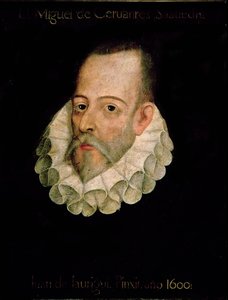
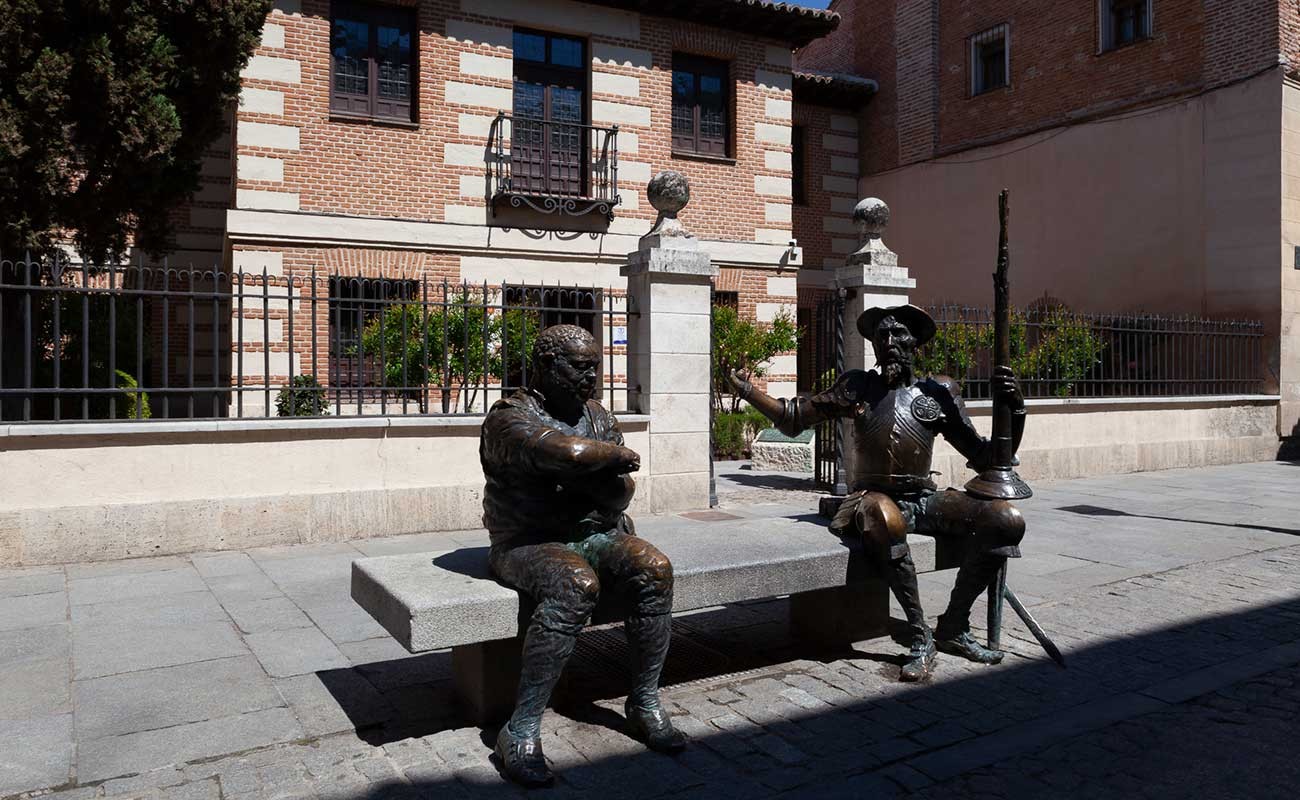
Alcalá de Henares, nestled in the heart of Spain, holds a singular honor – it is the birthplace of Miguel de Cervantes Saavedra, arguably the father of modern literature. The Museum of the Birthplace of Miguel de Cervantes stands as a testament to this legacy, inviting visitors on an immersive exploration into the Renaissance and Baroque artistic sensibilities that shaped both Cervantes’s life and his magnum opus, *Don Quixote*. More than just a repository of artifacts, it's a living embodiment of Spain’s golden age.
-
Historical Significance:
Recognized as a UNESCO World Heritage Site since 2009, the museum’s location within Cervantes’s original house underscores its profound cultural importance. It represents not merely an architectural landmark but also a tangible connection to one of literature's most influential figures.
-
Authentic Setting:
Stepping inside is akin to stepping back in time. The building itself—a beautifully preserved example of traditional Spanish architecture—features rustic stone walls and wooden beams, meticulously maintained to recreate the ambiance of Cervantes’s era. This deliberate preservation ensures visitors experience the spirit of 16th-century Spain.
Treasures Revealed: Collection Highlights
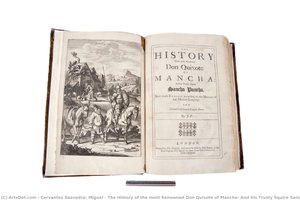
The museum's collection offers a captivating glimpse into Cervantes’s world, showcasing remarkable historical artifacts that illuminate his life and artistic influences. Among these treasures are personal belongings—letters, sketches, and meticulously crafted period furniture—providing intimate details about the man behind *Don Quixote*. Furthermore, reproductions of key manuscripts from Cervantes’s literary career, including excerpts from *La verdadera patria de Miguel de Cervantes* (Biblioteca Nacional de España) and *Vida de Miguel de Cervantes Saavedra* (Book V of the edition of Don Quixote) (Biblioteca Nacional de España), allow for a deeper understanding of his creative process. These documents exemplify the artistic fervor of the time, reflecting Cervantes’s engagement with humanist ideals and Baroque aesthetics.
Literary Echoes: Exhibitions and Interpretations
Interactive panels and multimedia presentations delve into *Don Quixote* itself—analyzing its themes of idealism versus reality and exploring Cervantes's masterful use of narrative techniques. Visitors can trace the evolution of Cervantes’s ideas through scholarly interpretations, gaining insights into his enduring impact on subsequent writers and artists. The museum actively encourages engagement with Cervantes’s work, fostering a dialogue between past and present.
Architectural Harmony: A Reflection of Cervantes's Time
Constructed in the 16th century, the house’s architectural design embodies the spirit of its era—a harmonious blend of rustic simplicity and refined elegance. Its stone walls and wooden beams speak to the craftsmanship prevalent during Cervantes’s lifetime, mirroring the artistic sensibilities that characterized Spain’s Golden Age. The courtyard serves as a tranquil space for contemplation, inviting visitors to immerse themselves in the historical atmosphere.
Why Visit Alcalá de Henares?
For art enthusiasts and cultural travelers alike, Alcalá de Henares offers an unparalleled opportunity to connect with literary history. The Museum of the Birthplace of Miguel de Cervantes isn’t simply a museum; it's a pilgrimage for anyone captivated by the brilliance of Cervantes and the transformative power of *Don Quixote*. It stands as a beacon of Spain’s cultural heritage, inviting exploration and inspiring appreciation for the enduring legacy of one of literature’s greatest minds.