
A Soulful Journey Through Galician Identity
Nestled within the historic grandeur of Santiago de Compostela, a city that breathes the sacred air of the Camino de Santiago, lies the Museum of the Galician People . This is not merely a repository for the past, but a living portal into the very soul of Galicia. To step inside is to embark on an evocative journey through a landscape shaped by ancient Celtic roots, Roman legacies, and the enduring spirit of medieval kingdoms. The museum serves as a profound testament to a regional identity that remains vibrant and unyielding, offering visitors a rare glimpse into the textures, traditions, and triumphs of the Galician people.
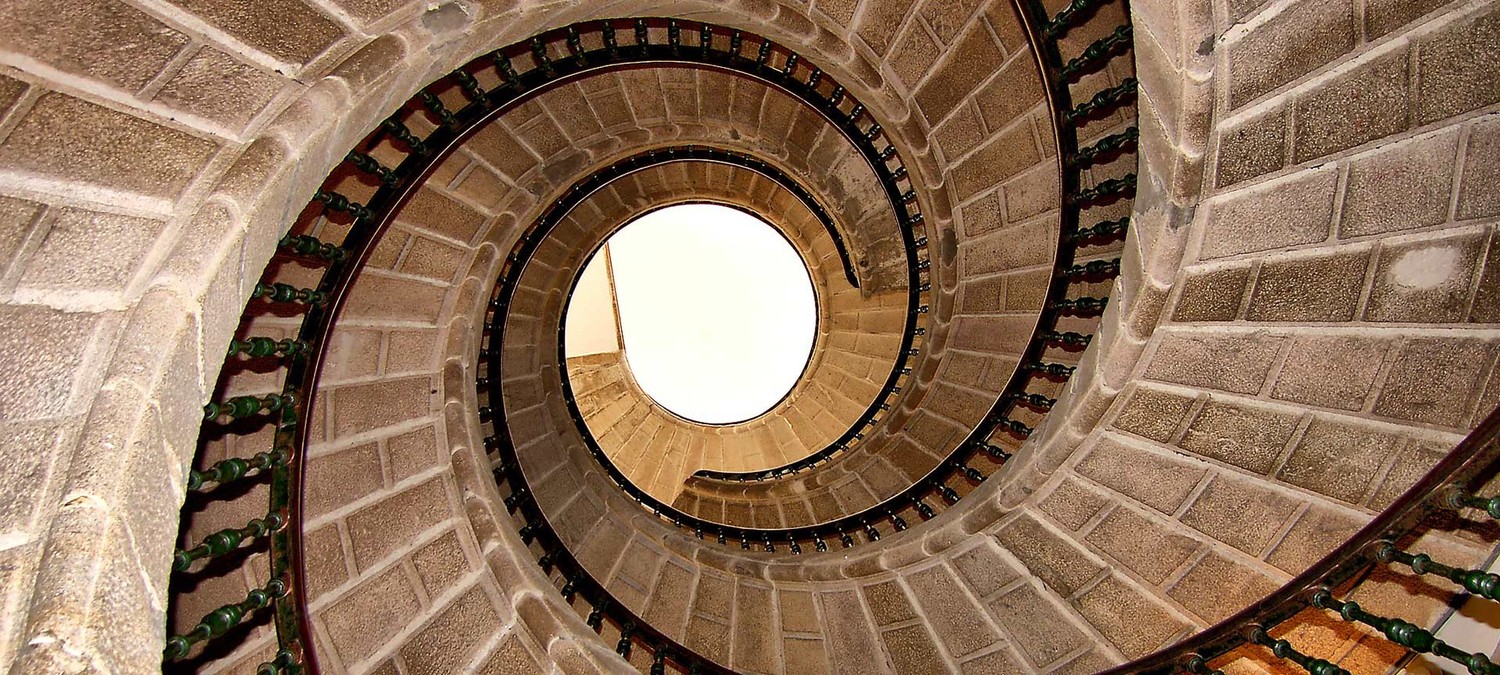
The museum’s physical presence is as much a masterpiece as the artifacts it protects. Housed within the magnificent Convent of Santo Domingo de Bonaval , the architecture itself tells a story of Baroque splendor. Built during the 17th and 18th centuries, the complex provides a dramatic and solemn backdrop for the treasures within. One cannot help but be captivated by the iconic triple spiral staircase, an architectural marvel designed by the renowned architect Domingo de Andrade in 1698. This sweeping stone structure serves as a silent witness to the passage of time, inviting guests to ascend through layers of history while surrounded by the elegance of Galician Baroque design.
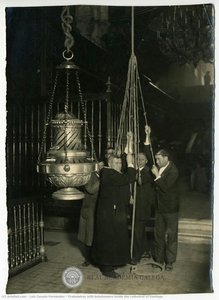
The collection held within these walls is a rich tapestry of ethnographic and artistic excellence. Visitors are invited to wander through displays that chronicle the region's agrarian heart and maritime prowess. From the intricate beauty of traditional costumes—textiles that reflect the nuanced social identities of bygone eras—to the rugged, functional elegance of tools used by rural artisans, every object whispers a story of labor, devotion, and craft. A particularly moving segment of the collection is dedicated to the Camino de Santiago , where relics and narratives from centuries of pilgrims converge, illustrating the profound spiritual connection between this land and the rest of the Christian world.
What truly distinguishes the Museum of the Galician People from traditional archaeological institutions is its holistic approach to heritage. It does not simply gaze backward at relics; it actively engages with the dialogue between tradition and innovation. Through rotating temporary exhibitions, the museum explores contemporary themes ranging from maritime history to modern art installations that interrogate the very meaning of identity. For the art lover or the discerning collector, the museum offers a unique sensory experience where the weight of history meets the pulse of the present, making it an essential destination for anyone seeking to understand the enduring, mystical essence of Galicia.