


A Sanctuary of Palatine Splendor
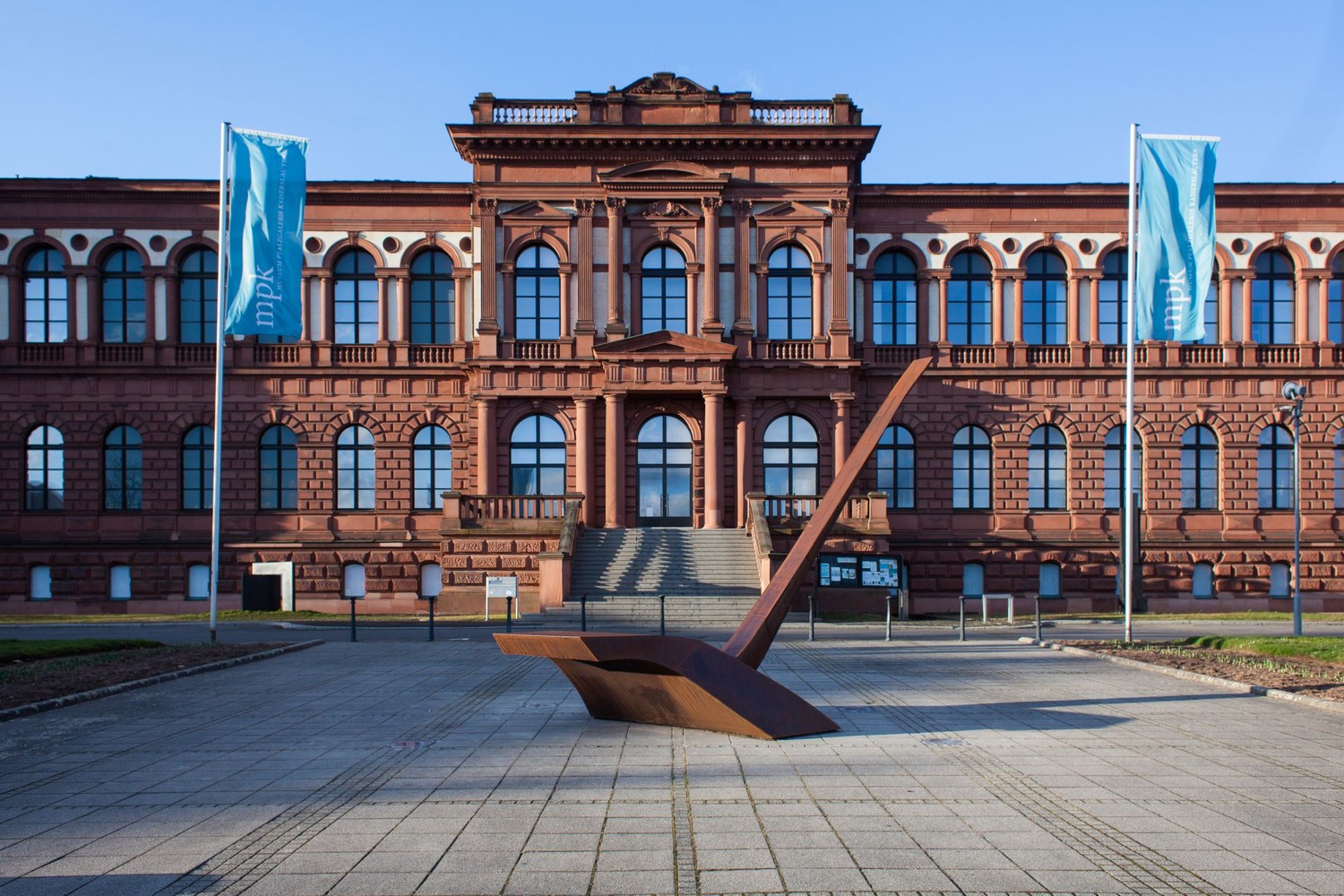
In the heart of southwest Germany, where the lush greenery of the Palatinate Forest meets the historic pulse of Kaiserslautern, lies a cultural jewel that transcends the boundaries of a mere gallery. The Museum Pfalzgalerie Kaiserslautern stands as a profound testament to the enduring power of visual storytelling, offering a sanctuary for those who seek to lose themselves in the nuances of light, color, and form. Since its inception in 1874, originally conceived as a trade museum under the visionary leadership of Paul von Braun, this institution has evolved into a sophisticated custodian of artistic excellence. To step through its doors is to enter a dialogue with the past, where the architectural elegance of Carl Spatz’s design provides a stately backdrop for a collection that breathes with the vitality of the 19 and 20th centuries.
The museum's architecture itself serves as an introductory chapter to its storied history. The building, which once housed the Royal District Building School, possesses a dignified presence that mirrors the academic rigor and creative passion found within its walls. As visitors wander through its halls, they are enveloped by a sense of continuity, where the structural permanence of the late 19th-century design meets the fluid, ever-changing narratives of modern art. This seamless blend of historical weight and contemporary relevance makes the Pfalzgalerie not just a destination for scholars, but an essential pilgrimage site for interior designers and collectors looking to understand the foundational aesthetics that continue to shape our visual world.
A Tapestry of Light and Form
The true soul of the Pfalzgalerie resides in its meticulously curated collection, a breathtaking assembly of paintings and sculptures that span the transformative eras of the 19th through the 21st centuries. The museum excels in presenting works that capture the ephemeral qualities of nature and the human condition with unparalleled precision. One cannot help but be moved by the expansive graphic collections, where the delicate interplay of line and shadow offers an intimate glimpse into the artist's initial spark of inspiration. The paintings housed here are not merely objects of observation; they are windows into different epochs, showcasing a mastery of technique that ranges from the soft, atmospheric transitions of classical styles to the bold, emotive strokes of modern movements.
For the discerning eye, the museum offers a profound exploration of regional and international significance. The collection is characterized by its ability to contextualize local Palatine identity within the broader currents of European art history. This creates a unique tension between the familiar and the avant-garde, allowing visitors to trace how regional landscapes and social shifts influenced the development of modern aesthetics. Whether it is the sculptural depth of a bronze figure or the vibrant pigment of an oil canvas, each piece contributes to a larger, cohesive narrative about our shared human experience. This richness makes the museum an invaluable resource for those seeking inspiration for curated spaces, as the works within its walls provide timeless examples of how art can anchor and elevate an environment.
An Ever-Evolving Artistic Dialogue
Beyond its permanent holdings, the Museum Pfalzgalerie Kaiserslautern distinguishes itself through a dynamic program of temporary exhibitions that breathe fresh life into its historic halls. These rotating showcases often bridge the gap between established masters and emerging voices, frequently exploring themes that resonate with contemporary societal shifts. By hosting exhibitions that delve into specific movements or the legacies of influential artists, the museum ensures that its mission remains active and vital. It is this commitment to the "living" nature of art—the idea that a museum should be a place of ongoing discovery rather than a static archive—that secures its place in the hearts of the global art community.
For the collector or the enthusiast, the Pfalzgalerie offers more than just a viewing experience; it offers an education in the enduring relevance of beauty. The museum’s ability to curate experiences that are both intellectually stimulating and emotionally resonant makes it a cornerstone of German cultural heritage. In every brushstroke preserved within its galleries and every temporary installation that challenges our perceptions, the Pfalzgalerie continues to fulfill its original promise: to celebrate the transformative power of art and to ensure that the creative spirit of the Palatinate remains an indelible part of the world's artistic tapestry.




