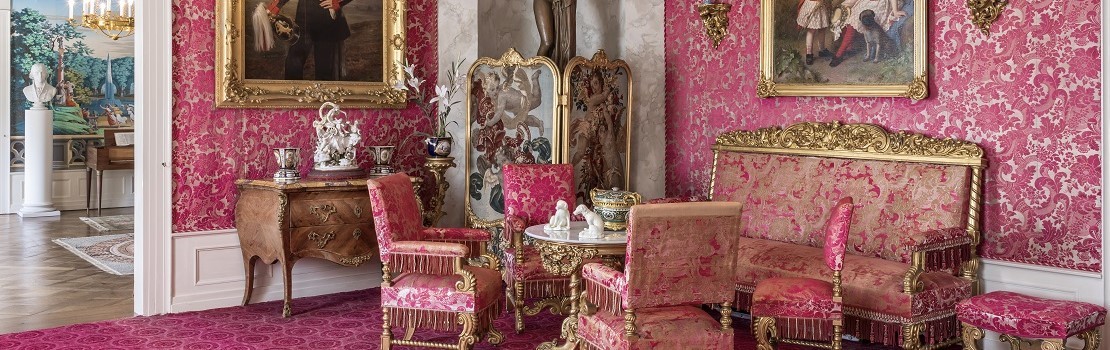
A Baroque Jewel: Unveiling the Secrets of Schloss Fasanerie
Nestled in the idyllic town of Eichenzell, a mere stone’s throw from Fulda in Germany's rolling hills, lies Museum Schloss Fasanerie – a palace that breathes history and whispers tales of opulent courts, shifting allegiances, and an extraordinary artistic legacy. More than just a museum, it’s a journey back to the 18th century, offering a rare glimpse into the lives of princes, bishops, and electors who once called this magnificent structure home. Originally conceived as a modest hunting lodge in 1710 by the Prince-Abbots of Fulda, Fasanerie quickly evolved into a sprawling Baroque masterpiece, reflecting the ambition and refined tastes of its successive owners. Its transformation is a testament to architectural evolution, showcasing elements from early Baroque design alongside later neoclassical influences, creating a captivating visual narrative spanning centuries. The palace’s strategic location – chosen for its proximity to hunting grounds and its commanding view of the surrounding landscape – speaks volumes about the aristocratic pursuits that shaped its destiny.
A Symphony of Baroque Art & Porcelain
The heart of Museum Schloss Fasanerie lies within its remarkably preserved collection, a dazzling array of art spanning the Baroque period and beyond. The museum’s strengths are immediately apparent: an impressive selection of paintings by renowned artists like Anthony Frederick Augustus Sandys, best known for his monumental portrait of Queen Eleanor (c.1122–1204), which offers a poignant window into the era's fascination with royalty and historical figures. Beyond portraits, visitors will encounter vibrant allegorical scenes, dramatic landscapes, and intricate still lifes – all rendered in the rich, emotive style characteristic of Baroque art. However, it’s the museum’s porcelain collection that truly captivates. Displayed within meticulously recreated 18th-century interiors, these exquisite pieces—ranging from delicate figurines to elaborate tableware—demonstrate the unparalleled craftsmanship and artistic skill of German porcelain makers. Each piece tells a story of wealth, status, and refined taste, offering a tangible connection to the daily lives of those who inhabited the palace. The collection’s diversity – encompassing both French and German styles – reflects the complex diplomatic landscape of the time.
Architectural Grandeur & Historical Transformations
Schloss Fasanerie itself is an architectural marvel, a prime example of Baroque design skillfully adapted over generations. The palace's symmetrical façade, adorned with elaborate ornamentation, soaring columns, and sculpted details, immediately commands attention. Originally built as a relatively modest hunting lodge, it underwent significant expansion and transformation under the guidance of architects like Johann Dientzenhofer and Andreas Gallasini, culminating in the grand residence we see today. The palace’s layout—centered around two interconnected courtyards—is designed to impress, reflecting the power and prestige of its occupants. The interior spaces are equally impressive, featuring opulent staterooms, richly decorated halls, and a stunning staircase that exemplifies Baroque grandeur. Throughout its history, Fasanerie has witnessed numerous shifts in ownership – from the Prince-Abbots to the Electorate of Hesse, and finally to the House of Hesse-Rumpenheim—each leaving their mark on the palace’s architecture and décor.
Beyond the Walls: Gardens & Regional Significance
The experience of Museum Schloss Fasanerie extends far beyond its walls. The meticulously restored palace gardens provide a tranquil setting for leisurely strolls, offering breathtaking views of the surrounding countryside. Designed in an English Landscape style, these gardens are a testament to the evolving tastes of the palace’s inhabitants and reflect the broader trends in landscape design during the 18th and 19th centuries. Furthermore, Fasanerie holds significant regional importance, serving as a vital link to the art and history of Hesse. The museum's collection provides valuable insights into the cultural heritage of the region, showcasing the artistic achievements and social customs of its inhabitants. It’s a place where visitors can connect with the past, appreciate the beauty of Baroque art, and gain a deeper understanding of Germany’s rich cultural landscape.
A Palace Preserved: Unique Experiences & Future Exhibitions
What truly sets Museum Schloss Fasanerie apart is its authentic atmosphere—a rare opportunity to step back in time and experience art within the context of a beautifully preserved palace. The museum actively seeks to recreate the sensory experiences of 18th-century life, offering guided tours that delve into the palace’s history and artistic treasures. Looking ahead, the museum plans to expand its collection through strategic acquisitions and innovative exhibitions, ensuring that Fasanerie remains a vibrant center for art and cultural heritage. The ongoing restoration efforts promise to further enhance the visitor experience, preserving this remarkable landmark for generations to come. For those seeking an immersive journey into Baroque artistry and German history, Schloss Fasanerie offers an unforgettable destination.