
A Legacy of Wings: Exploring the National Audubon Society in New York City
The name “Audubon” resonates with a particular kind of reverence – one conjuring images of meticulously rendered birds, vibrant plumage captured with scientific precision and artistic grace. Yet, the National Audubon Society in New York City is far more than just a tribute to its namesake, John James Audubon. It’s a dynamic force for conservation, a hub for ornithological research, and a living embodiment of a commitment to protecting the delicate balance of our natural world. Founded in 1905, born from a rising tide of concern over the devastating practice of feather hunting that threatened countless bird species, the Society arose as a direct response to an urgent crisis. Early activists, like George Bird Grinnell and Harriet Hemenway, bravely challenged prevailing fashions and championed legislation to safeguard avian life – a legacy that continues to drive the organization’s mission today.
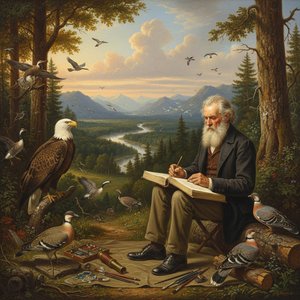
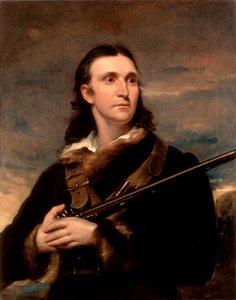
The Society's story is inextricably linked to Audubon himself, not merely as the subject of his celebrated illustrations but as a pioneer in observational art. His dedication to detail, his painstaking documentation of bird behavior and habitat, established a standard for natural history illustration that remains profoundly influential. While the Society’s focus extends far beyond aesthetic appreciation – championing a holistic approach to conservation recognizing that protecting birds necessitates safeguarding the entire ecosystem upon which they depend – the artistic legacy of Audubon is ever-present. This manifests not just in reproductions of his iconic plates, but in the organization's commitment to scientific accuracy and its celebration of the natural world through photography, film, and educational programs. The Society’s influence is amplified by its extensive network of nearly 500 local chapters across the United States, each working tirelessly to address regional conservation challenges – a testament to Audubon’s vision of a widespread movement dedicated to avian protection.
From Feathers to Ecosystems: A Holistic Approach
The Society's work extends far beyond simply admiring birds. It champions a holistic approach to conservation, recognizing that protecting birds necessitates safeguarding the entire ecosystem upon which they depend. This means advocating for policies addressing climate change, combating habitat loss – particularly the relentless expansion of urban areas and agriculture – and promoting sustainable practices. The organization’s commitment is underscored by its active engagement in scientific research, analyzing bird populations, tracking migration patterns, and studying the impact of environmental changes on avian species. Crucially, this isn't a detached academic pursuit; it’s deeply intertwined with practical conservation efforts, from restoring wetlands to advocating for responsible land management.
Citizen Science and Global Partnerships
What truly sets the National Audubon Society apart is its commitment to empowering individuals through citizen science initiatives. Programs like the Christmas Bird Count, a tradition spanning over a century, and the Great Backyard Bird Count engage thousands of volunteers in collecting crucial data that informs conservation efforts. These programs aren’t just feel-good exercises; they provide invaluable insights into bird populations and distribution, allowing scientists to track trends and identify areas of concern. This collaborative spirit extends beyond national borders, with partnerships forged with organizations like BirdLife International, broadening the scope of their impact to encompass global avian habitats. The Society doesn't simply *tell* us about environmental challenges; it invites us to become active participants in finding solutions – a model for engagement that resonates deeply in an era demanding collective action.
Experiencing Audubon in New York City
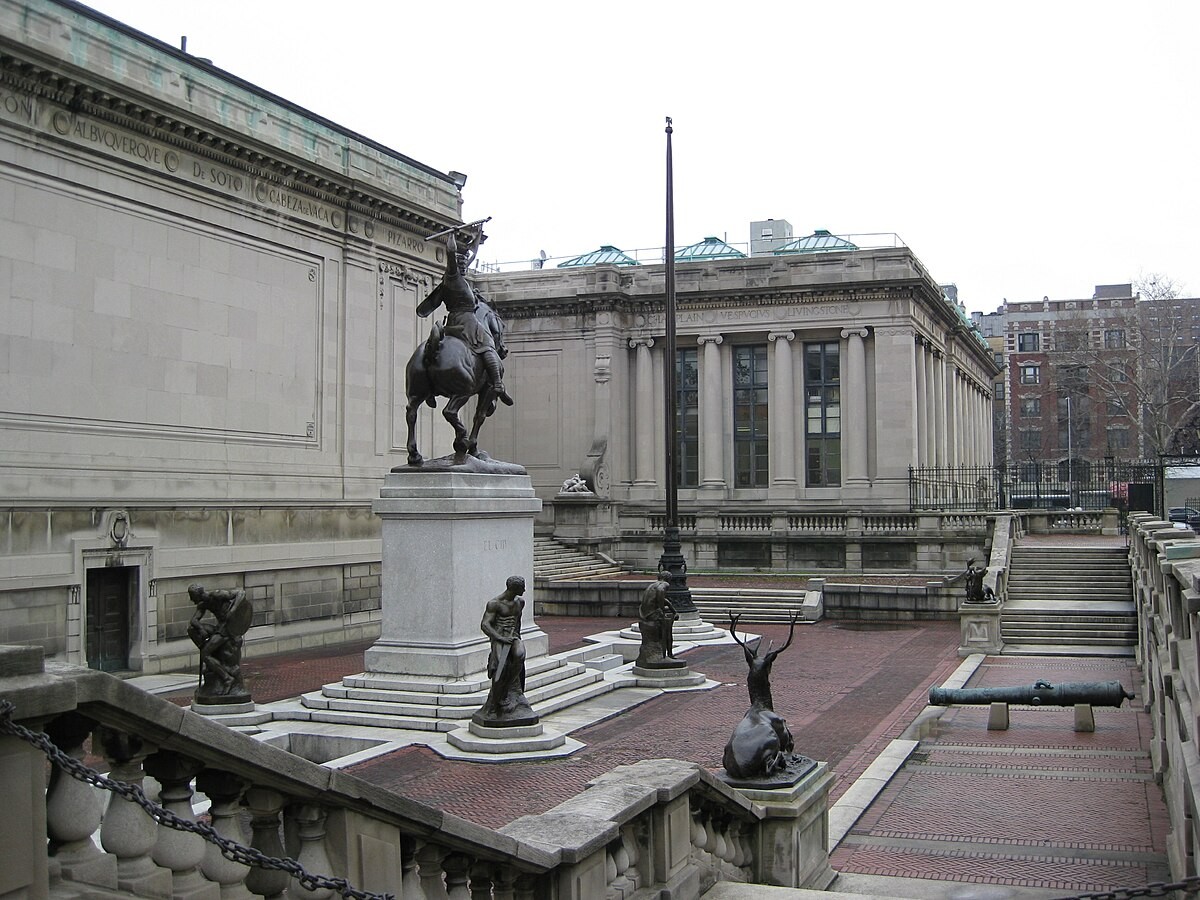
Though not defined by a single grand museum building, the National Audubon Society maintains a strong presence in New York City through its local chapters and diverse programming. Opportunities abound for visitors to connect with nature – from guided bird walks led by expert ornithologists who can identify dozens of species by sight and sound, to workshops designed to deepen understanding of avian ecology and conservation techniques. The Society frequently collaborates with other cultural institutions, such as the Hispanic Society of America on Audubon Terrace, enriching the city’s artistic landscape and fostering a greater appreciation for the natural world. Audubon Terrace itself is a beautiful example of integrating nature into an urban setting, offering a tranquil space for reflection and observation amidst the bustle of New York City.
The Society also hosts regular exhibitions showcasing photographs, illustrations, and scientific data related to birds and their habitats. These exhibits often highlight local conservation efforts and provide visitors with practical ways to get involved in protecting avian life. Furthermore, Audubon’s involvement extends beyond formal displays; its chapters frequently organize events at parks, nature reserves, and community centers throughout the city, offering opportunities for hands-on learning and engagement.
A Continuing Call to Action
The National Audubon Society isn't merely preserving a past legacy; it’s actively shaping a future where both humanity and nature can thrive. It stands as a powerful reminder that conservation is not just an environmental imperative, but a moral one – a responsibility we all share to protect the beauty and biodiversity of our planet for generations to come. The Society’s ongoing work serves as an inspiration, urging us to look closer at the world around us, listen to the calls of the wild, and join the chorus of voices dedicated to safeguarding the future of birds and their habitats.
Architectural Context & Historical Significance
While the Society's primary focus is on conservation, its New York City presence is rooted in a deliberate effort to integrate nature into the urban environment. The organization’s headquarters are located within Audubon Terrace, a stunning example of early 20th-century architecture designed by William C. Palmer (1906-1987), a celebrated American painter known for his public murals & diverse works displayed globally. The building itself reflects the Society's values – a harmonious blend of natural light, green spaces, and thoughtful design. The terrace, overlooking Central Park, provides a vital connection to the city’s vast network of parks and preserves. Furthermore, the Society’s history is intertwined with the broader narrative of New York City’s conservation movement, mirroring the efforts of figures like Henry Inman (1801-1846), a prominent American portrait, genre & landscape painter who helped found the National Academy of Design, and reflecting the influence of Mayor of New York City administrations that championed urban greening initiatives. The Society's presence in the city is thus not just about protecting birds; it’s about advocating for a more sustainable and ecologically conscious urban future.