
A Living Chronicle of the Balkan Soul
Nestled in the vibrant heart of Belgrade’s Republic Square, the National Museum of Serbia stands as a profound testament to the enduring spirit of a nation. Established in 1844, this institution is far more than a mere repository for relics; it is a living, breathing chronicle of Serbian identity, etched in stone and illuminated by masterpieces that whisper tales of ancient empires, sacred saints, and revolutionary fervor. For the art lover and the historian alike, walking through its doors feels like stepping into a temporal tapestry where the prehistoric echoes of the Balkans meet the sophisticated grandeur of European high art. The museum offers an unparalleled journey through time, inviting visitors to witness the evolution of human creativity from the dawn of civilization to the modern era.
The museum’s archaeological collection offers an extraordinary window into the very roots of European history. The most captivating treasures emerge from the legendary site of Lepenski Vir, a UNESCO World Heritage Site that reveals the astonishing sophistication of Neolithic society. These monumental sculptures, dating back over 8,000 years, possess a haunting, primitive beauty. Their stylized, enigmatic forms depict figures engaged in ritualistic life, demonstrating an advanced understanding of social organization and artistic mastery that challenges our perceptions of early human creativity. To stand before these works is to contemplate the primal connections between the Balkan landscape and the broader Eurasian expanse, feeling the weight of millennia through the silent gaze of stone.
As one moves through the chronological narrative, the atmosphere shifts from the primal to the divine. The medieval period is brought to life through a breathtaking collection of frescoes and icons that reflect the spiritual heartbeat of the Serbian kingdom. Drawing heavily from the rich traditions of Byzantine iconography, these works—many originating from revered monasteries such as Studenica and Hilardar—are masterpieces of theological symbolism. The vibrant pigments and meticulous details found in these sacred images do not merely serve religious devotion; they represent a pinnacle of artistic innovation, where light and color are used to bridge the gap between the earthly and the eternal. For the discerning collector, these pieces embody a timeless spiritual elegance that transcends their historical origins.
The museum’s grandeur reaches a crescendo during its exploration of the Baroque era, a period that introduced a dramatic European flair to the Serbian landscape. A true jewel within these galleries is Peter Paul Rubens’ “Return of the Peasants.” This monumental work serves as a cornerstone of the museum's collection, showcasing the master's ability to capture the dynamic energy of rural life through evocative brushstrokes and a sophisticated play of light and meticulously rendered shadow. For interior designers seeking to infuse a space with historical weight and aesthetic brilliance, such works represent the height of classical elegance, embodying a sense of movement and warmth that can transform any room into a sanctuary of culture.
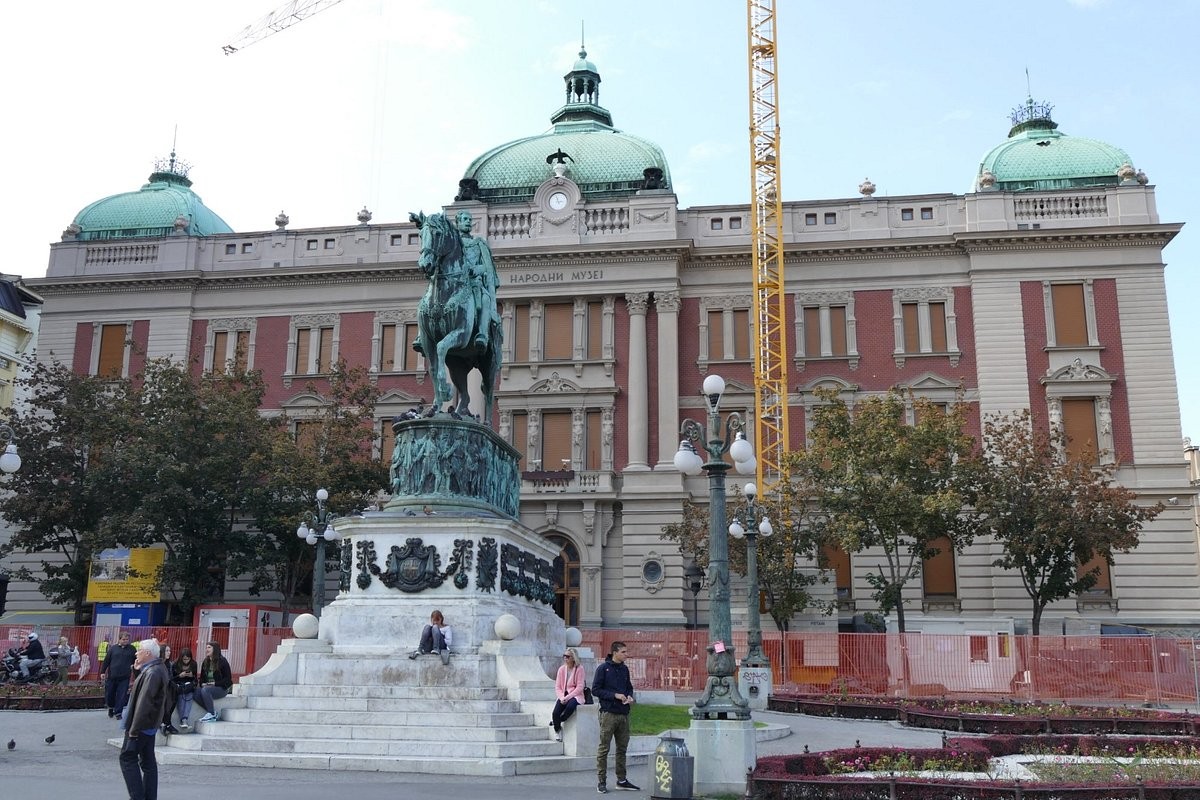
The very vessel that holds these treasures is an architectural marvel in its own right. The museum’s current edifice, constructed at the turn of the 20th century, is a stunning example of Neo-Renaissance architecture infused with subtle Neo-Baroque flourishes. Originally built for the Uprava Fondova, the building reflects Belgrade’s historical aspirations as a burgeoning center of European finance and culture. With its impressive atrium and resilient structure that has survived the tumult of World War II, the museum stands as a symbol of cultural continuity. It is this seamless blend of architectural prestige and a holistic narrative—spanning from ancient Neolithic relics to contemporary expressions—that makes the National Museum of Serbia a singular destination for anyone seeking to understand the soul of the Balkans.