About the Netherlands Institute of Cultural Heritage
The Netherlands Institute of Cultural Heritage (ICN) stands as a beacon of scholarly dedication to safeguarding Dutch artistic legacy and historical memory. Situated in Rijswijk, a charming municipality nestled within the broader Haaglanden conurbation, ICN’s laboratories extend their influence into Amsterdam's Atelier Building, signifying an expanding commitment to collaborative research and innovation—a testament to its enduring role as a cornerstone of cultural preservation across the nation. More than just a repository of artifacts, it embodies a profound understanding of art history and conservation science.
-
Specializations & Research:
ICN’s renown stems from unparalleled expertise in restoring masterpieces – paintings, sculptures, venerable buildings—and myriad other cultural treasures. Their scientists delve into the intricate materials and techniques employed by artists throughout time, pushing boundaries in preservation methodologies while simultaneously investigating how environmental factors contribute to deterioration.
-
Collection Highlights:
While eschewing grand public displays, ICN’s collection is remarkably rich. It comprises meticulously documented reference collections of pigments, binding media—the very building blocks of artistic creation—alongside archival documentation tracing the provenance and narrative arc of Dutch art history. Furthermore, ongoing research projects yield invaluable scientific data informing conservation practices.
-
History & Unique Aspects:
Founded on a tradition of excellence, ICN’s evolution mirrors the broader challenges faced by cultural heritage institutions. What distinguishes it is its singular fusion—a harmonious blend—of rigorous scientific inquiry, practical conservation endeavors, and profound scholarly insight. Serving as a central resource for museums, governmental agencies, and discerning collectors alike, ICN exemplifies the importance of multidisciplinary collaboration in preserving our collective past.
-
Visiting & Access:
Public access to ICN’s facilities is deliberately limited, prioritizing researchers and specialists. However, its commitment to disseminating knowledge extends far beyond its walls through publications, conferences, and collaborative projects—a dedication underscored by the Atelier Building expansion, bolstering connections within the cultural heritage sector.
Additional Research: Rijswijk’s Artistic Roots
The ICN's location in Rijswijk is itself steeped in artistic significance. The town’s history dates back centuries, marked by noble estates and a thriving artisan tradition. Notably, the Treaty of Ryswick—a pivotal moment in European diplomacy—was signed at Huis ter Nieuwburg, Rijswijk’s historic mansion, cementing its place within Dutch national identity. Furthermore, the Atelier Building houses the University of Amsterdam's training programme for preservation and conservation, fostering a dynamic environment for scholarly exchange and furthering ICN’s mission.
Recent Developments & Collaborative Partnerships
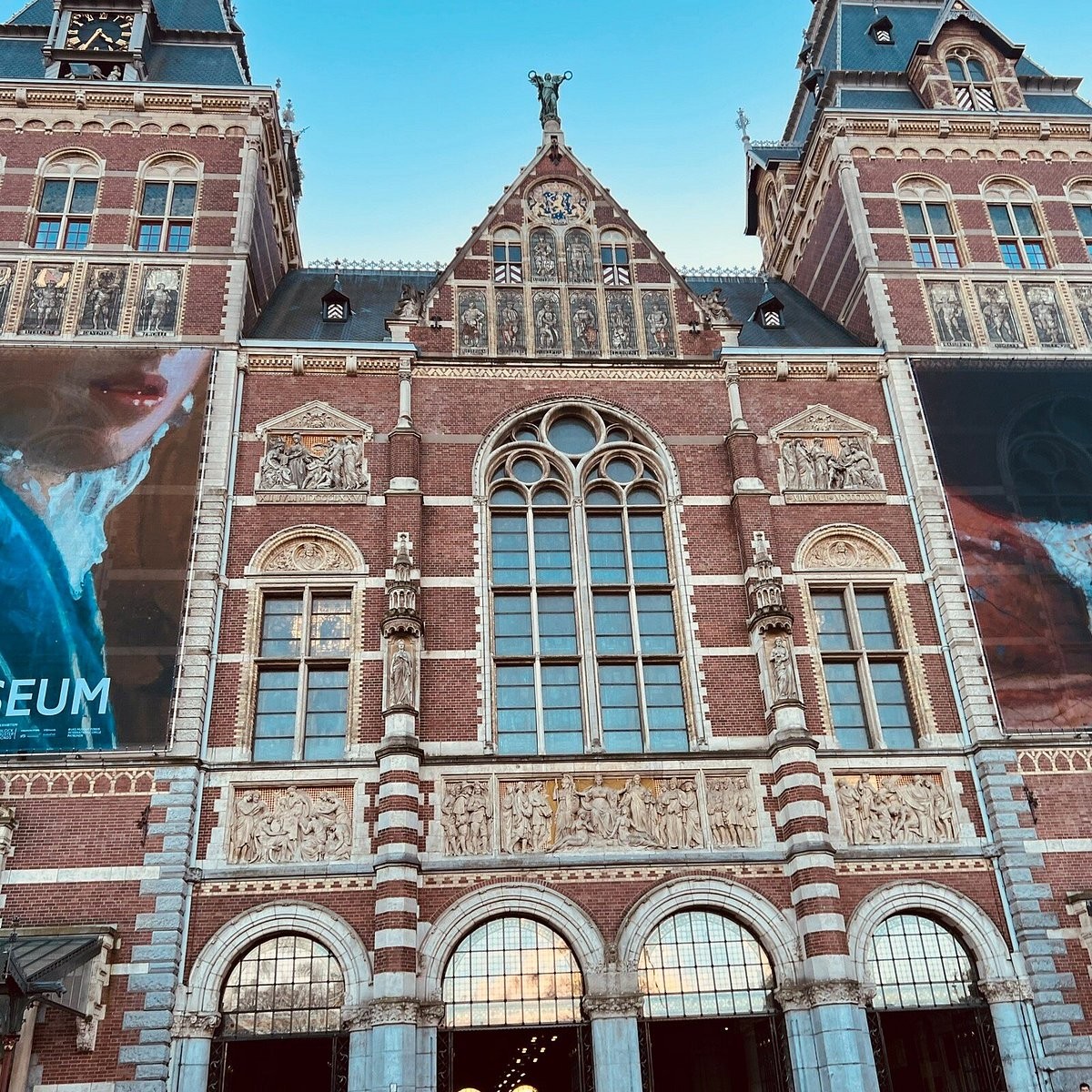
A recent refurbishment project at Gabriël Metsustraat 8—the Institute’s main campus—demonstrates ICN's proactive engagement with contemporary standards. The Atelier Building expansion signifies a crucial step toward strengthening collaborative ties between ICN, the Rijksmuseum (RMA), and the University of Amsterdam, propelling advancements in conservation science and bolstering the institute’s capacity to address pressing issues facing cultural heritage globally.
Exploring the Collection
The ICN's collection—spanning pigments, binders, architectural fragments, and extensive archival records—offers unparalleled insight into Dutch artistic production across eras. Researchers actively utilize these materials to reconstruct techniques, analyze deterioration patterns, and inform best practices for safeguarding cultural heritage.