
A Sentinel of Heritage on the River Trent
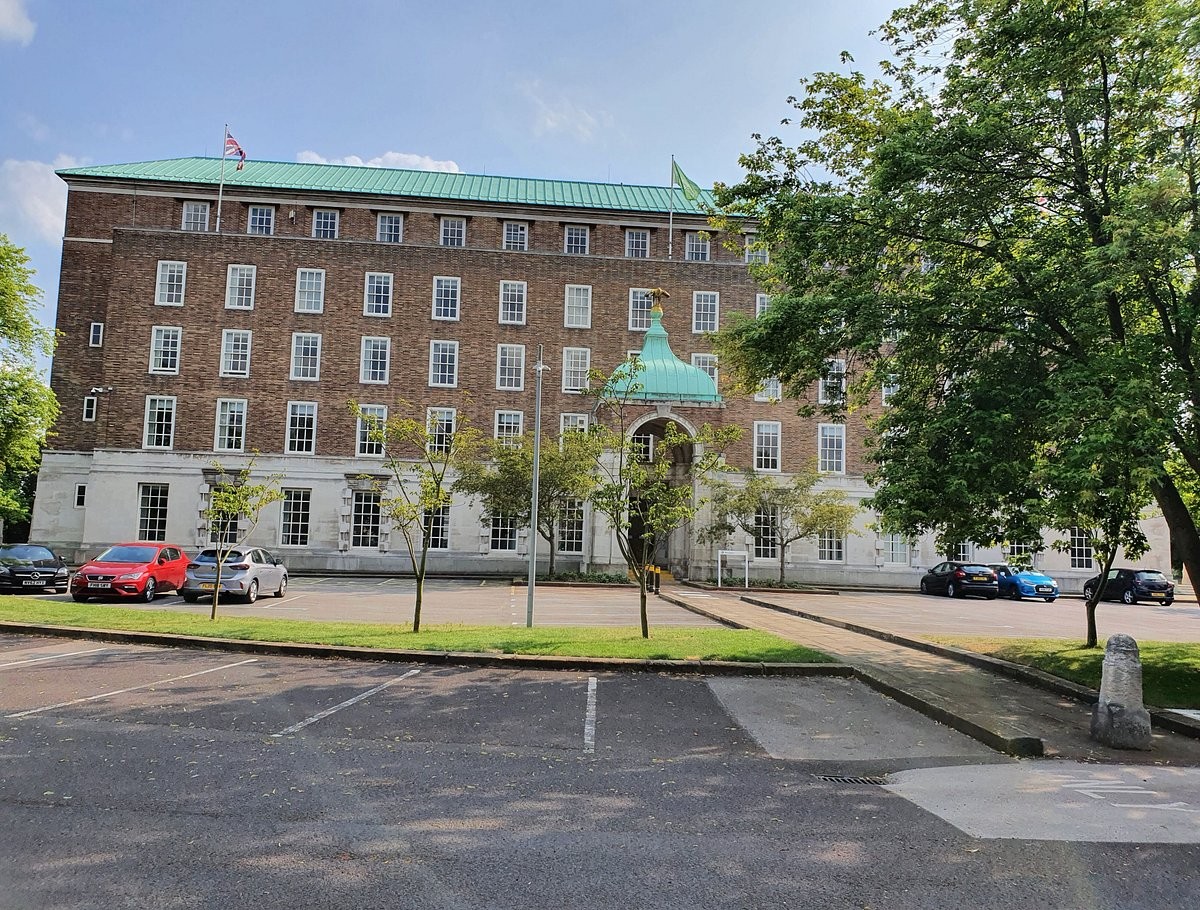
Perched gracefully upon the south bank of the River Trent, the Nottinghamshire County Hall stands as a majestic architectural sentinel, a Grade II listed treasure that commands attention through its dignified presence. Designed by the renowned architect Vincent Harris and completed in 1954, the building itself is a masterclass in civic grandeur, reflecting an era where municipal architecture sought to inspire both stability and awe. As one approaches this monumental structure, the gentle flow of the river provides a serene, rhythmic backdrop, setting the stage for a journey through time. The hall’s transition from a bustling center of local administration to a curated sanctuary of culture represents a beautiful evolution, allowing its storied walls to now whisper the tales of a region’s profound history and artistic spirit.A Tapestry of Local Identity and Artistic Vision
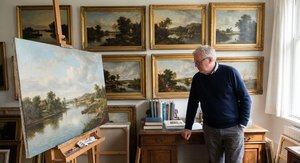
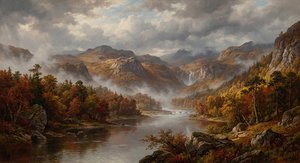
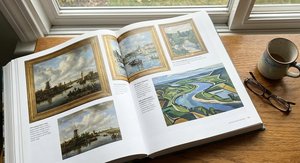
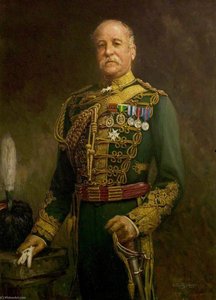
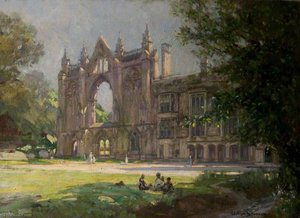
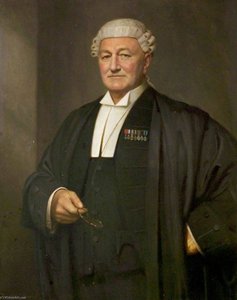
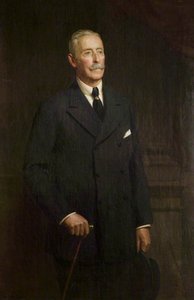
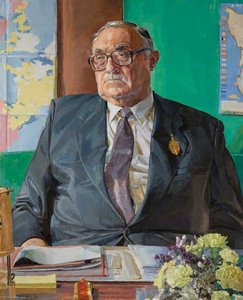
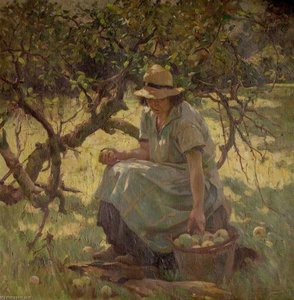
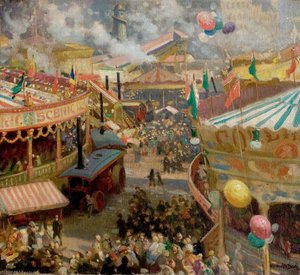
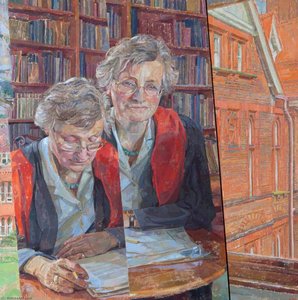
Within these hallowed halls, the collection unfolds like a richly textured tapestry, woven from the very essence of Nottinghamshire. For the art lover and the discerning collector, the museum offers an intimate encounter with local mastery that transcends the often impersonal scale of larger national galleries. The galleries are graced by a compelling selection of portraiture, where the faces of notable figures from the county’s past are preserved in timeless detail, offering a window into the lives that shaped this landscape.Beyond the human visage, the collection celebrates the local topography through captivating depictions of iconic landmarks. One cannot wander through these exhibits without being moved by the evocative scenes of Rufford Abbey and Newstead Abbey, where artists have captured the ethereal beauty and historical weight of these legendary sites. This focus on the local—spanning various periods and styles—ensures that every brushstroke serves as a direct connection to the land itself. For the interior designer or the enthusiast of classical themes, these works provide an unparalleled glimpse into the romanticism and regional pride that define the East Midlands.