
A Baroque Jewel Box in the Heart of Palermo
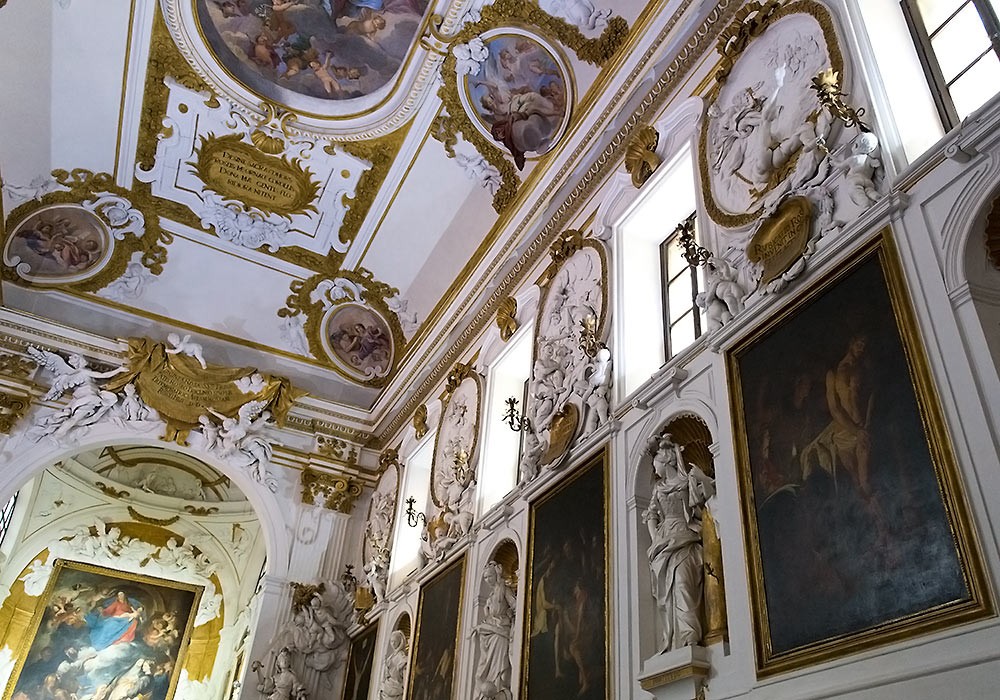
Nestled within the historic, sun-drenched labyrinth of Palermo’s ancient center, the Oratorio del Rosario di San Domenico emerges not merely as a religious sanctuary, but as a profound sensory experience—a jewel box of Sicilian Baroque splendor. Founded in 1574 by the Rosary confraternity, this intimate space was conceived during an era of Spanish dominion, a period that infused the architecture with a sense of monumental scale and dramatic theatricality. Unlike the sprawling cathedrals that dominate the city's skyline, the Oratorio possesses a deliberate, concentrated intensity. It is a place where the interplay of light and shadow is choreographed to evoke deep emotional resonance, making it an essential pilgrimage site for those who seek to understand the spiritual and artistic fervor of the seventeenth century.The architecture itself serves as a stage for the divine, where every corner is designed to maximize impact. For the contemporary interior designer or art enthusiast, the Oratorio offers a masterclass in how a compact space can be transformed into an immersive environment through the strategic use of ornamentation and light. It is a sanctuary that does not merely house art but breathes through it, inviting a contemplative stillness that transcends the passage of centuries.
The Ethereal Alchemy of Serpotta’s Stucco
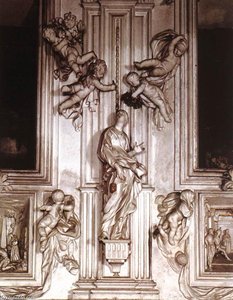
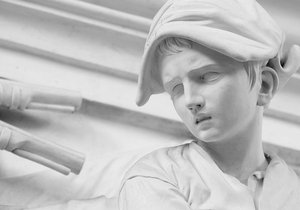
The undisputed soul of the Oratorio lies in its monumental stucco decorations, the breathtaking handiwork of Giacomo Serpotta, one of Sicily's most legendary sculptors. These are far more than mere embellishments; they are triumphs of trompe l’oeil and sculptural relief that blur the line between reality and illusion. Serpotta’s technique breathes life into the very walls, as he meticulously crafted scenes from the life of the Virgin Mary that seem to dance within their architectural niches. The dynamism of his figures—capturing moments of profound grace and movement—elevated the medium of stucco to a level of prestige usually reserved for marble. To witness these works is to see the Baroque spirit in its most fluid form, where the heavy weight of stone and plaster is replaced by an ethereal lightness that engages the viewer’s imagination and pulls them into a sacred narrative.A Canvas of Devotion and Dramatic Mastery
Beyond the sculptural brilliance of the walls, the Oratorio boasts a collection of paintings that represent a rich tapestry of European artistic achievement. The centerpiece of this painterly treasury is undoubtedly Anthony van Dyck’s monumental altarpiece, depicting the Madonna of the Rosary surrounded by saints. This powerful commission was born from the profound collective anxiety following the devastating plague of 1624, and it carries a weight of serene dignity and humanist grace that anchors the entire room. Van Dyck’s masterful brushwork captures a sense of divine peace amidst earthly suffering, a theme that resonates deeply with the Oratorio's historical context.The collection is further enriched by an extraordinary array of masters, each contributing their unique perspective to the Oratory's spiritual atmosphere:
- The dramatic chiaroscuro of Matthias Stom
- The luminous compositions of Guglielmo Borremans
- The narrative depth found in the works of Pietro Novelli and Luca Giordano
- The delicate artistry of Valerio Castello