

Table of Contents
Quick Facts
- Alternate names:
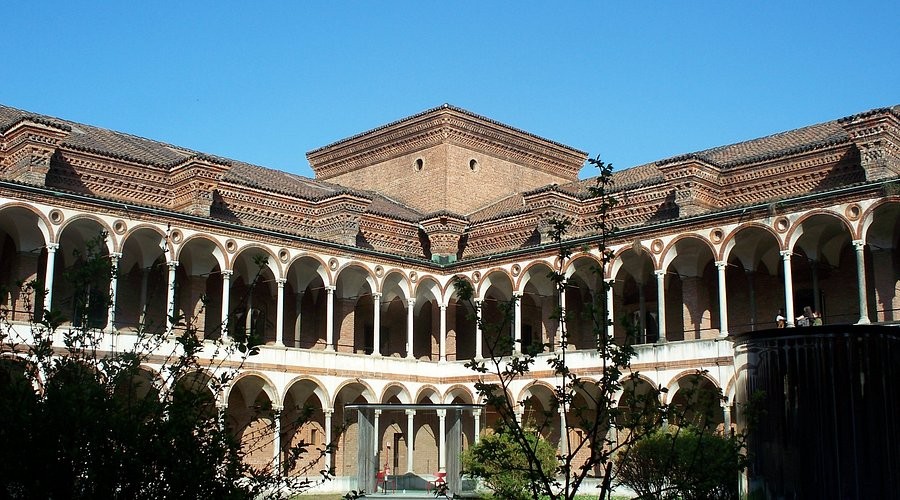
- Ospedale Maggiore
- Ca Granda – Ospedale Maggiore Policlinico
- Ca Granda
- Movements: renaissance
- Works on APS: 1
- Location: Milan, Italy
- Featured artists: filarete
Art Quiz
There is only one correct answer for each question.
Question 1:
What is Ca’ Granda – Ospedale Maggiore known for?
Question 2:
Who designed the building's courtyards and facades?
Question 3:
Which Italian artists are featured in the museum's art collection?
Question 4:
What distinguishes Ca’ Granda – Ospedale Maggiore from other museums?
Question 5:
The museum’s history chronicles the evolution of biomedical care and research spanning over:
Exhibited Artists
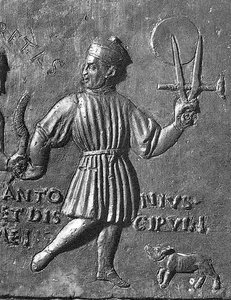
filarete
Discover Filarete: Renaissance architect & urban planner of Milan! Explore his innovative 'Sforzinda' city design, classical influences, & groundbreaking architectural drawings.

Related Articles

Bronze Sculptures That Defined Art History | ArtsDot
Journey through art history with our Top 10 bronze sculptures! Explore masterpieces by Rodin, Michelangelo & more. Discover stories behind iconic statues and find museum-quality reproductions for your home decor at ArtsDot.com.

The Enduring Form: Exploring Themes & Techniques in Sculpture Across Historical Periods
Explore the rich history of sculpture from ancient masterpieces to contemporary innovations. Discover key techniques, influential artists & investment potential for discerning art collectors.

Bronze Age to Modern Masters: 10 Sculptures That Redefined Art | ArtsDot
Journey through art history with 10 legendary bronze sculptures – from Michelangelo's David to Rodin’s Thinker. Explore the stories, techniques & timeless beauty of these masterpieces. Find museum-quality reproductions & elevate your home decor on ArtsDot.com.


Subscribe to Our Newsletter
Stay updated with the latest art news, exclusive offers, and decoration ideas.
Get 3 Free Art Suggestions
Tell us about your project and our art experts will provide you with 3 personalized art suggestions.
Not Sure Where to Start?
Let Us Curate 3 Options Just for You - Free!