

A Symphony of Stone and Spirit: The Pallavicino Collection
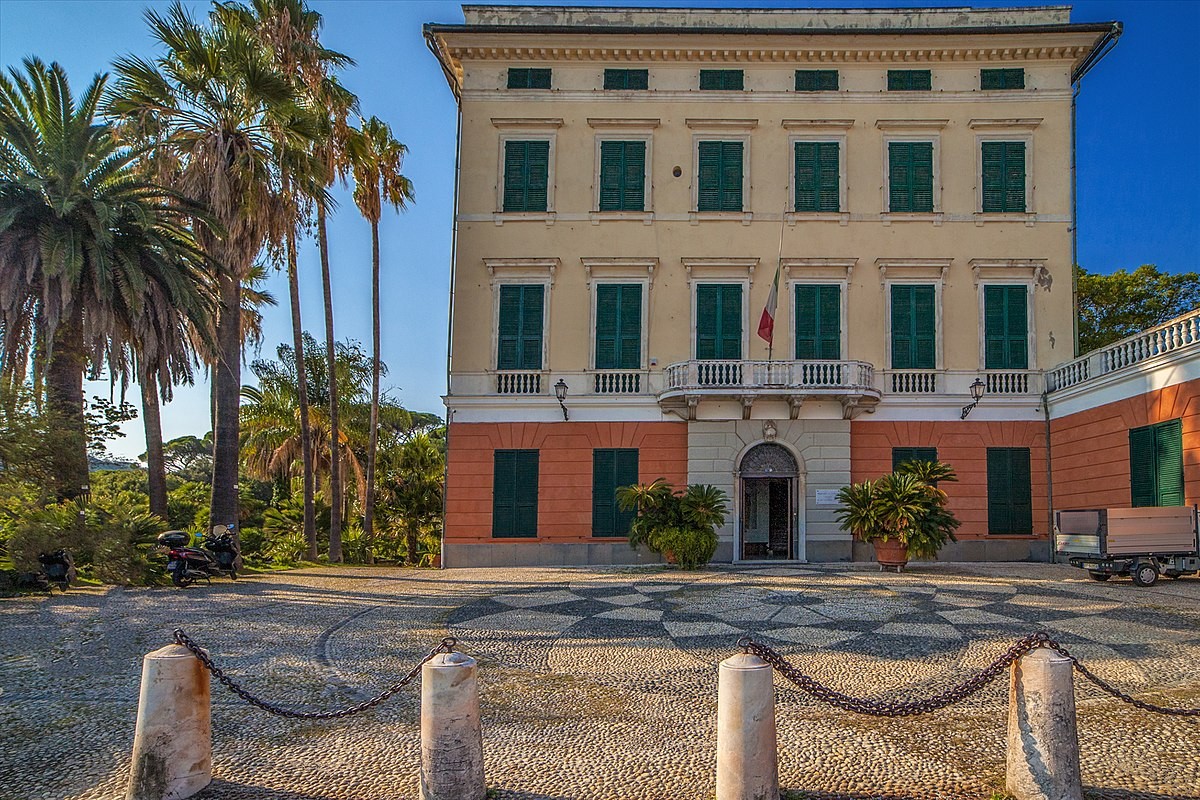
Nestled within the verdant embrace of Genoa’s Pegli district, the Villa Durazzo Pallavicini offers far more than a mere glimpse into the past; it provides a profound immersion into the very soul of Ligurian identity. To enter this estate is to step through a portal where the boundaries between man-made grandeur and the untamed natural world dissolve. The collection housed here is not merely an assembly of objects but a curated journey through time, spanning from the enigmatic whispers of prehistoric flint tools to the imperial splendor of the Roman era. As one wanders through the museum’s archaeological heart, the weight of millennia becomes palpable, felt in the silent presence of ancient mosaics and sculptures that once graced the villas of a bygone age.
The architectural setting of the collection is as much a masterpiece as the artifacts it protects. The villa itself, a triumph of nineteenth-century neoclassical elegance, stands as a testament to the refined ambitions of the Pallavicino dynasty. Its symmetrical facades and stately Corinthian columns provide a dignified stage for the treasures within, while the expansive, romantic gardens—designed by Michele Canzio with the dramatic flair of a theatrical set designer—guide visitors through a carefully choreographed landscape. This park is structured as a scenic route in three acts, leading the wanderer past neoclassical avenues, esoteric symbols, and hidden grottos where marble, coral, and flowing water coalesce into an enchanting nymphaeum. For the art lover or interior designer, the villa represents the pinnacle of how architecture and landscape can be harmonized to evoke a sense of eternal wonder.
Beyond its archaeological depth, the collection breathes with the vibrant energy of the Baroque and the Belle Époque. The halls have been graced by works that exemplify the height of artistic fervor, including breathtaking displays featuring masters such as Titian, Rubens, and Caravaggio. One cannot help but be moved by the opulence of Peter Paul Rubens’ Portrait of Maria Serra Pallavicini, a work that captures the very essence of aristocratic elegance through its masterful use of light and texture. This legacy of beauty is further enriched by the personal passion of Prince Odone Pallavicino, whose meticulous efforts to preserve Ligurian heritage have ensured that these treasures remain accessible to the modern eye. Whether admiring the intricate geometric patterns of Roman mosaics or contemplating the refined tastes reflected in the Santiago Collection’s period furniture, every corner of this estate offers a profound encounter with the sublime.
What truly distinguishes the Pallavicino Collection is its ability to act as a living museum, where history is not static but an evolving narrative. It is a place where the archaeological significance of Liguria meets the romanticism of the nineteenth century, creating a sanctuary for those who seek beauty in both the ancient and the exquisite. For collectors and enthusiasts of fine art, the villa serves as a constant source of inspiration, reminding us that true art is a bridge between the earthly and the divine, preserved forever within the tranquil oasis of its legendary gardens.