

A Hidden Sanctuary of Renaissance Splendor
Nestled within the serene, rolling hills of Lombardy, the Parish Church of Sant'Andrea in Cernusco Lombardone serves as a profound testament to the enduring spirit of the Italian Renaissance. Far removed from the frenetic energy of Italy’s major metropolitan art hubs, this ancient ecclesiastical treasure offers a rare, intimate encounter with the masters of the fourteenth and fifteenth centuries. To step inside is to leave the modern world behind and enter a space where time seems to suspend itself, allowing for a deep, meditative communion with history. The church functions not merely as a place of worship but as a concentrated museum of artistic evolution, where every corner whispers stories of humanist ideals and the transformative power of light and shadow.
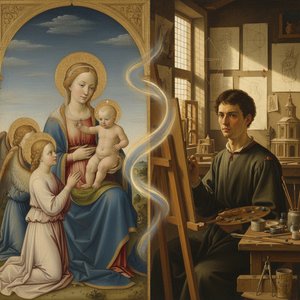
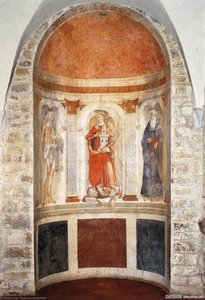
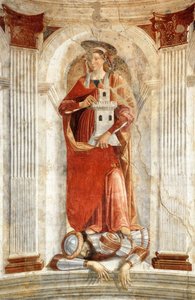
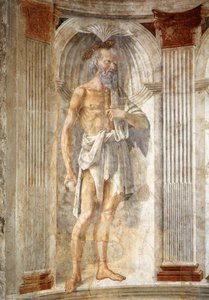
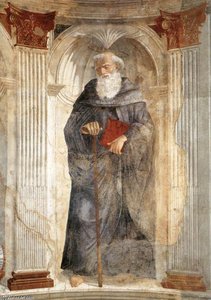
The true soul of Sant'Andrea resides in its breathtaking assemblage of Renaissance paintings, a collection that traces the stylistic metamorphosis of an era. Visitors are invited to wander through a gallery of luminous frescoes and intricate canvases that echo the brilliance of names such as Masolino da Firenze, Filippo Lippi, and Pontormo. These works are far more than mere decorations; they are windows into the Renaissance mind, capturing the delicate interplay between divine grace and human emotion. The masterful brushwork and the subtle use of chiaroscuro within these pieces demonstrate a technical prowess that continues to captivate contemporary collectors and art historians alike, offering a profound sense of the era's intellectual and spiritual rebirth.
Beyond the ethereal beauty of its paintings, the church reveals a remarkable mastery of form through its collection of Della Robbia majolica. These glazed terracotta sculptures, a hallmark of Florentine ceramic excellence, bring a vibrant, tactile dimension to the museum’s atmosphere. The brilliant, glass-like glazes and the lifelike depictions of biblical figures provide a striking contrast to the more somber tones of the surrounding frescoes. For the interior designer or lover of decorative arts, these pieces represent a pinnacle of Renaissance craftsmanship, where the boundaries between fine art and exquisite ornamentation dissolve into a singular, harmonious vision of beauty.
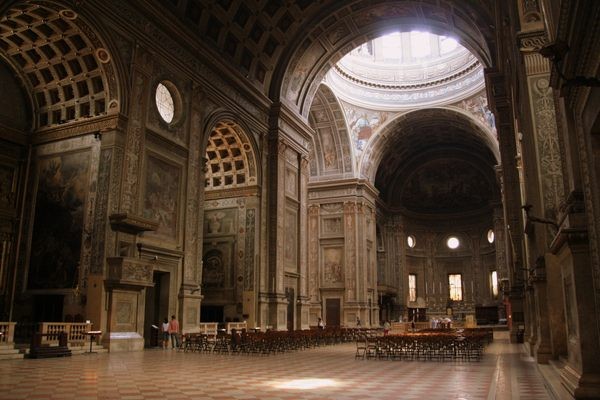
The architectural bones of Sant'Andrea provide a majestic stage for this artistic drama, rooted deeply in the Florentine Romanesque style. The sturdy walls, ribbed vaulting, and sculpted capitals evoke a sense of permanence and solemnity, grounding the delicate artworks within a structure of monumental strength. This architectural heritage, characterized by its arched nave and rhythmic geometry, creates an atmosphere of tranquil grandeur. Unlike the crowded corridors of larger museums, Sant'Andrea offers a unique, solitary experience—a sanctuary where one can contemplate the profound legacy of the Italian masters undisturbed, making it a destination of unparalleled emotional and aesthetic significance.