
A Sanctuary of Spirit and Stone
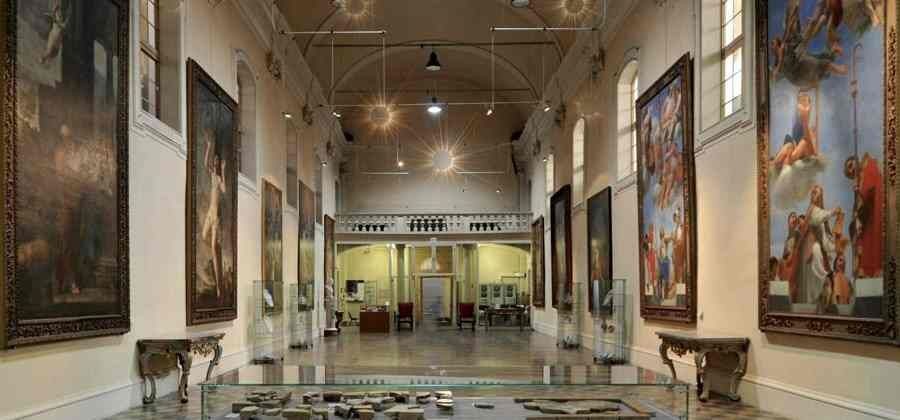
Nestled within the hallowed walls of the Musei di San Domenico complex, the Pinacoteca Comunale of Forlì offers far more than a mere exhibition of canvases; it provides a profound immersion into the soul of Romagna. This magnificent site, a former Dominican monastery reborn as a beacon of cultural enlightenment, serves as a living chronicle of faith and artistic patronage. As one wanders through the architectural grandeur of the complex, the soaring arches and intricate stonework evoke the Renaissance ideal of harmony, where every shadow and light beam seems designed to foster deep contemplation. The museum’s very foundation is etched in history, having been established in 1838 to safeguard treasures salvaged from the turbulent era of Napoleonic plunder, a legacy that continues to define its mission of preservation and beauty.
The architectural journey begins in the Palazzo Merenda, a structure designed by Raimondo Compagnini that stands as a masterpiece of civic elegance. Adorned with sculptures symbolizing Charity and Generosity, the palazzo reflects the enduring spirit of the monastery’s original mission. Within these walls, the atmosphere is one of quiet reverence, where the transition from medieval austerity to Renaissance splendor is felt in every step. For the art lover or the interior designer seeking inspiration, the museum offers a masterclass in how historical space can elevate the viewing experience, creating an environment where the weight of history lends a unique gravity to every brushstroke on display.
A Tapestry of Masterpieces and Light
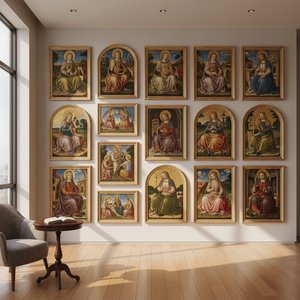
The collection within the Pinacoteca Comunale is a breathtaking dialogue between eras, ranging from the sacred intensity of medieval panels to the psychological depth of modern portraiture. The museum’s treasures shine most brilliantly when bathed in the soft, natural light that filters through its historic halls, revealing the meticulous textures of works by Duccio di Buoninsegna. His seminal pieces, such as The Adoration of the Magi and The Descent of the Holy Spirit, demonstrate a divine mastery of color and drapery that has captivated devotees for centuries. This spiritual fervor finds its zenith in the frescoes of Beato Angelico within the Cappella Maggiore, where biblical narratives are rendered in luminous, ethereal hues that seem to vibrate with life.
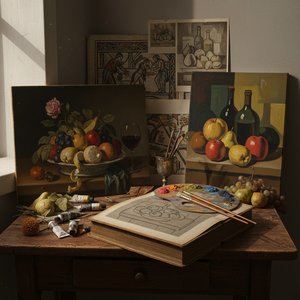
As the collection moves forward through time, it encounters the profound, understated beauty of Giorgio Morandi. His still lifes, characterized by a muted palette and an almost meditative observation of form, offer a poignant contrast to the grandiosity of the Renaissance. This sensitivity to texture and light is echoed in the Verzocchi Collection, which provides an invaluable window into 19th and 20th-century Italian art through its focus on realism and the subtle nuances of human character. To walk through these galleries is to witness the evolution of the human gaze—from the celestial visions of the Middle Ages to the quiet, introspective realism of the modern era.
A Legacy of Preservation and Discovery
Beyond its permanent holdings, the Pinacoteca Comunale remains a dynamic center for cultural renewal. The museum is not merely a repository of the past but an active participant in the ongoing story of art history. Recent years have seen dedicated restoration efforts, such as the meticulous care given to Cagnacci's Allegoria dell'Astrologia sferica, ensuring that these delicate masterpieces remain vibrant for future generations. These preservation initiatives are matched by a commitment to scholarly discovery, with ongoing research into the museum’s archives promising to unveil new layers of Forlì’s rich artistic heritage.
For collectors and enthusiasts, the museum stands as a singular destination where the boundaries between art and history dissolve. Whether one is drawn by the pioneering perspective of Melozzo da Forlì or the quiet contemplation found in the works of Giacomo Zampa, the Pinacoteca Comunale offers an unforgettable encounter with the sublime. It remains a testament to the enduring power of creativity to transcend time, fostering a deep connection to our shared human history and providing a timeless source of aesthetic inspiration.