


A Sanctuary of Compassion and Splendor
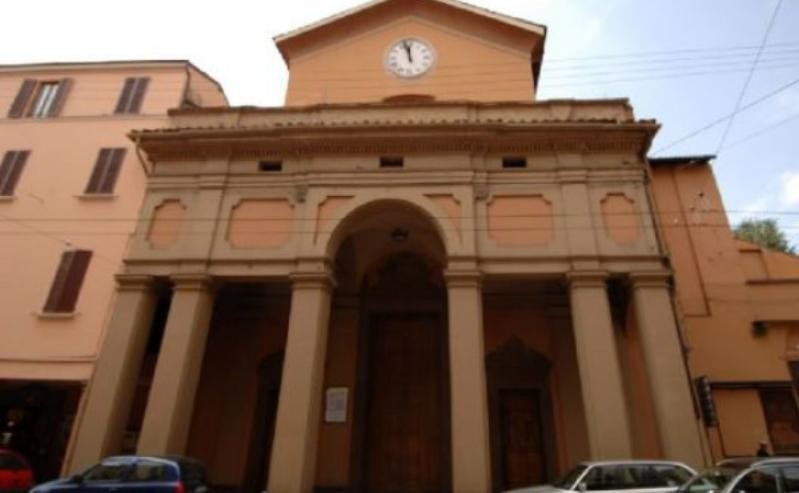
Tucked away from the bustling thoroughfares of Bologna lies a sanctuary where the boundaries between spiritual devotion and artistic mastery dissolve into a singular, breathtaking experience. Santa Maria della Carità is far more than a mere repository of relics; it is a living testament to the profound intersection of human empathy and the sublime beauty of the Bolognese Baroque. Originally established in the mid-13th century as a chapel for the Hospital of Santa Maria della Carità, this sacred space was born from a papal decree aimed at fostering care for the vulnerable. From its early iterations as an orphanage to its eventual architectural refinement, the museum embodies a legacy of humanist values, where every brushstroke and carved stone serves to honor the spirit of charity that defines its very foundation.
The architecture itself tells a story of evolution and classical harmony. As one enters, the eye is drawn upward by a soaring nave that reflects the meticulous design of Pietro Fiorini and the later expansions by Giovanni Battista Bergonzoni. The structure adheres to the timeless principles of proportion, creating an atmosphere of serene contemplation. The interplay of light and shadow within the expansive chapels is not merely an architectural feat but a deliberate spiritual tool, designed to guide the visitor through a journey of reflection. In the Sacristy, the artistry continues with sculptures by Giovanni Francesco Bezzi and paintings by Jacopo Alessandro Calvi, creating a layered environment where the physical space feels as much a part of the art as the canvases themselves.
Masterpieces of the Bolognese Golden Age
For the discerning collector and lover of fine art, the collection offers an unparalleled encounter with the masters of the Renaissance and Baroque periods. The museum’s treasures are characterized by their dramatic emotional depth and technical virtuosity. Most notably, the presence of Annibale Carracci provides a monumental anchor to the collection; his Portrait of Giovanni Gabrieli with the lute stands as a seminal achievement in Baroque portraiture, utilizing masterful chiaroscuro to breathe life into the subject through intricate detail and evocative lighting. This tradition of excellence is furthered by the works of Giovanni Maria Viani, whose biblical narratives are rendered with an evocative grace that captures the viewer's soul, and the frescoes of Leopoldo Perucchi, which utilize sophisticated color theory and spatial illusion to transform the temple walls into windows to the divine.
What truly distinguishes Santa Maria della Carità is its ability to remain a hidden gem, offering a tranquil escape from the modern world. It is a destination where history, art, and social compassion converge, making it an essential pilgrimage for those who seek beauty with purpose. Whether one is moved by the technical brilliance of the Bolognese masters or the historical weight of its charitable mission, the museum offers a profound sensory experience. It remains a vital cultural landmark, hosting exhibitions that bridge the gap between historical artistry and contemporary social history, ensuring that the legacy of Bologna’s artistic golden age continues to inspire and educate the modern eye.




