
A Tapestry of Time: The Soul of Vienna at the Wien Museum
Nestled within the vibrant pulse of Karlsplatz, the Wien Museum stands as much more than a mere repository of relics; it is a living, breathing chronicle of a city that has shaped the course of European civilization. Recently revitalized through a monumental reconstruction project that reached its triumphant conclusion in late 2023, the museum offers an immersive journey through millennia of human endeavor. From the silent whispers of Neolithic settlements to the disciplined echoes of Vindobona—the Roman military camp that laid the foundations of the city—the institution meticulously weaves a narrative of evolution and resilience. To walk through its halls is to trace the very metamorphosis of Vienna, witnessing how a frontier outpost blossomed into a glittering imperial capital.
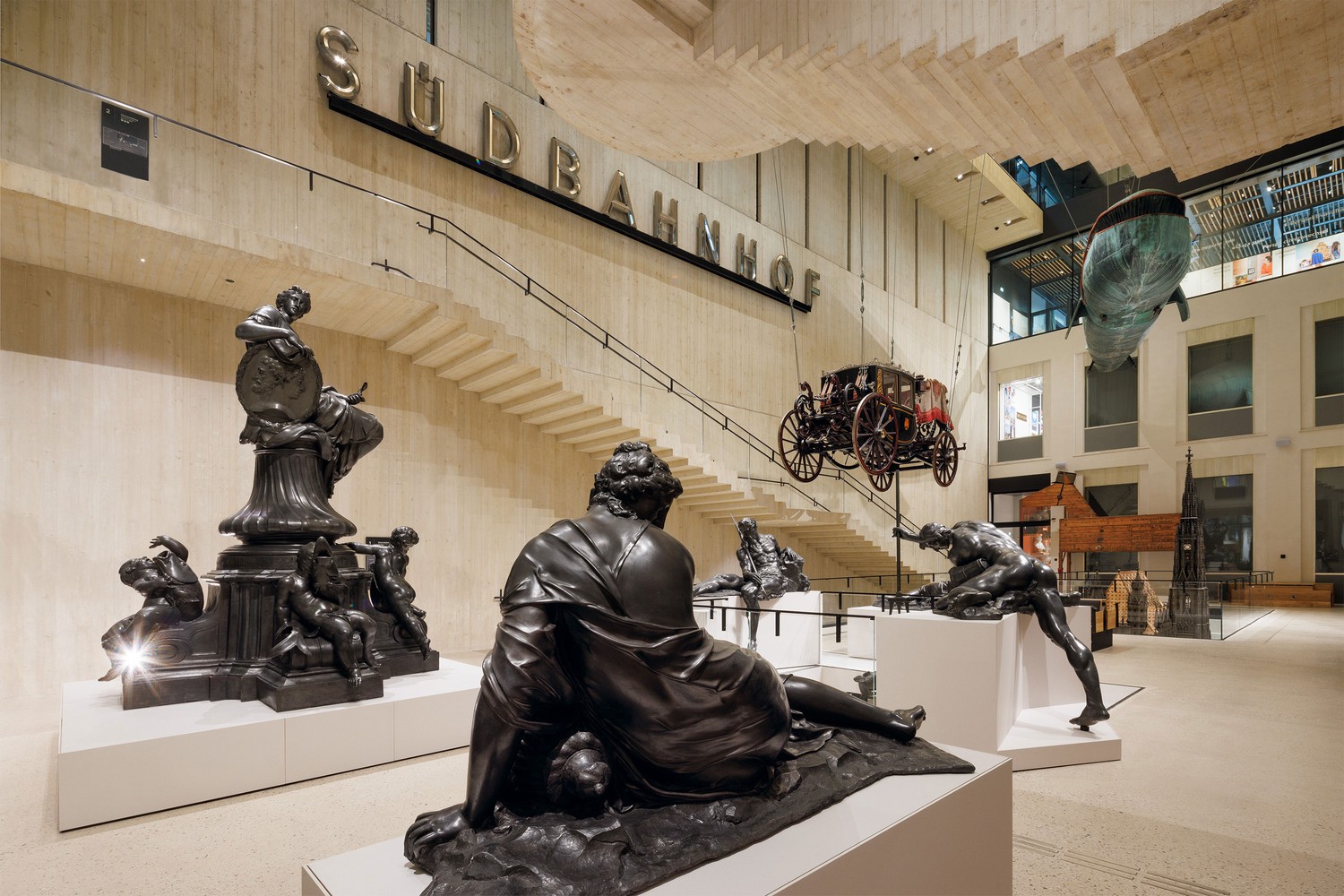
The architectural experience of the museum is itself a profound statement of history and rebirth. The centerpiece, designed by the visionary Oswald Haerdtl, serves as a mid-century modern homage to the spirit of post-war reconstruction. Completed in 1959, this structure embodies the resilience of a city rising from the shadows of conflict, a sentiment furthered by subsequent expansions that have integrated new pavilions and additional floors to accommodate the growing weight of its treasures. This deliberate blend of mid-century modernism and contemporary expansion creates a space where the structural integrity of the past meets the forward-looking ambition of the present, offering an environment that is as much a work of art as the collections it houses.
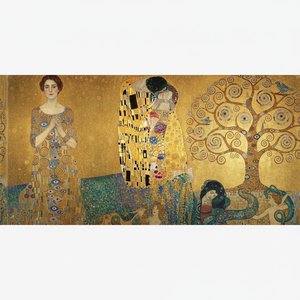
For the connoisseur of fine art and the seeker of aesthetic splendor, the museum’s collection offers unparalleled delights, particularly within its breathtaking focus on the 19th and early 20th centuries. The halls are graced by the luminous presence of the Vienna Secession movement, most notably through the works of Gustav Klimt. One cannot encounter the portrait of Emilie Floge without feeling the magnetic pull of Klimt’s mastery; it is a painting where contemplative beauty meets an explosion of intricate floral patterns and symbolic hues, capturing the very essence of the Belle Époque. Alongside such masterpieces, the museum presents the legendary Beethoven Frieze , a monumental achievement that translates musical legacy into visual poetry, showcasing the exquisite detail and decorative opulence that defined Vienna’s golden age.
What truly distinguishes the Wien Museum is its holistic and democratic approach to heritage. By seamlessly blending archaeological discoveries with high-art masterpieces, the museum bridges the gap between the daily lives of ancient inhabitants and the avant-garde movements that redefined modern culture. The institution invites all—from art historians and collectors to interior designers seeking inspiration in classical motifs—to explore its free permanent exhibitions. Whether one is contemplating the imperial grandeur of the Habsburg era or discovering the intimate artifacts of everyday Viennese life, the museum remains a sanctuary of discovery, ensuring that the storied past of Vienna continues to inspire the creative landscapes of the future.