

A Sanctuary of Faith and Enlightenment: The Soul of Wesley’s House
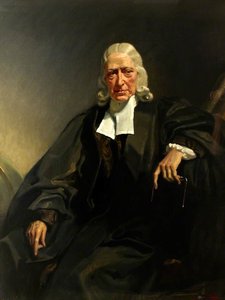
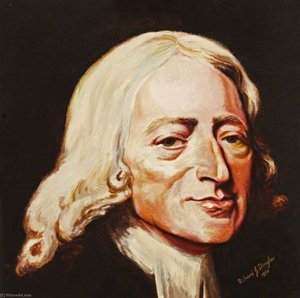
Nestled within the vibrant tapestry of London, John Wesley’s House – The Museum of Methodism stands as a profound testament to an era defined by spiritual fervor and transformative social reform. It is far more than a mere collection of historical artifacts; it is a tangible embodiment of a movement that reshaped the moral landscape of Britain. As one steps into this sacred space, the air seems to thicken with the weight of history, inviting visitors on a journey through the life of John Wesley, the visionary father of Methodism. The museum serves as an intimate portal to the eighteenth century, where the threads of theological innovation are intricately woven with the broader currents of the Enlightenment, offering a rare glimpse into a world grappling with profound intellectual and spiritual shifts.
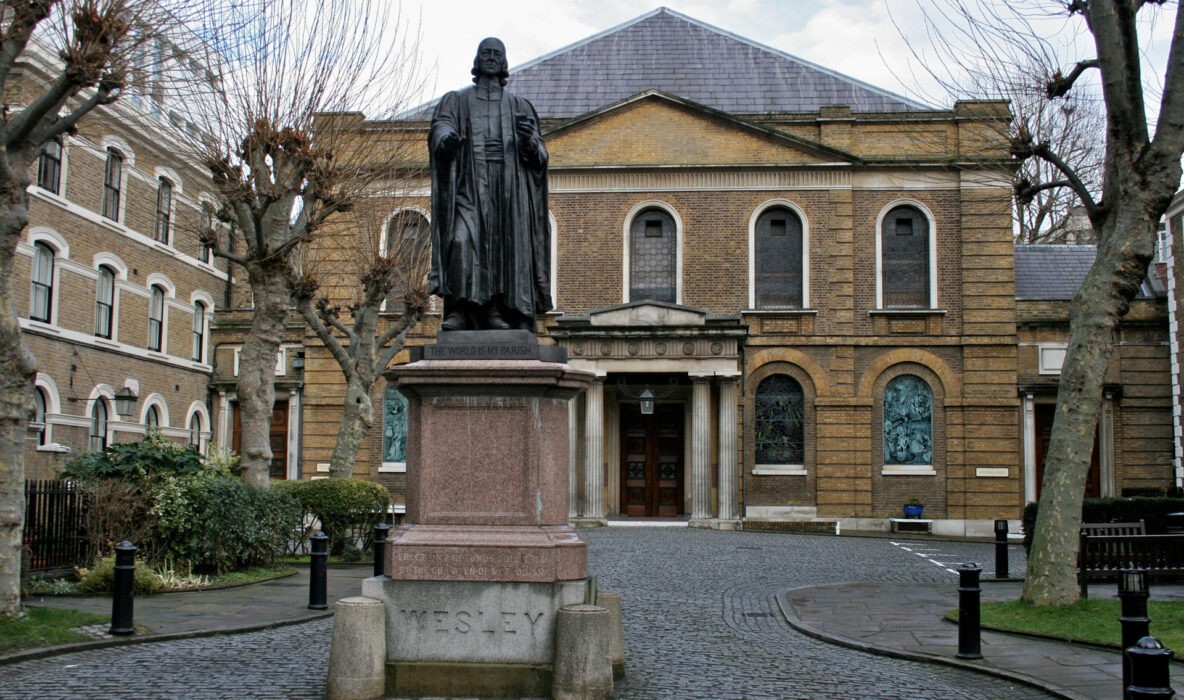
The architecture itself acts as a silent narrator of the period's aesthetic and social values. Constructed in 1738, Wesley’s former London residence retains an exquisite patina of Georgian grandeur, characterized by a meticulous sense of symmetry and functionality. For the admirer of classical design, the house offers a masterclass in eighteenth-century restraint, where every structural element was crafted to inspire solemn contemplation and moral reflection. This architectural elegance is complemented by the adjacent Wesley’s Chapel, a masterpiece of sacred architecture that houses the museum's crypt. Together, these structures create a cohesive environment of historical continuity, where the physical space mirrors the disciplined yet passionate spirit of the Methodist movement.
To wander through the halls of the museum is to encounter the very heartbeat of Wesley’s personal and public mission. The collection highlights are nothing short of extraordinary, featuring treasures unearthed from Wesley’s private life that offer an intimate connection to his enduring legacy. Visitors may find themselves captivated by manuscripts penned in his own hand, letters that illuminate his complex correspondence with fellow reformers, and religious artifacts that bear witness to a lifetime of unwavering devotion. In the study, one can encounter his personal library, where the books still carry his distinctive signature, alongside remarkable scientific curiosities like an early electricity generator used in his medicinal pursuits. These objects do not merely sit behind glass; they breathe life into the narrative of a man who bridged the gap between divine grace and human progress.
Beyond the personal, the museum serves as a vital archive of social justice and humanitarian courage. Through thoughtfully curated exhibitions such as “The Abolitionist Spirit,” the museum illuminates Methodism's profound impact on societal progress, specifically its passionate advocacy for the liberation of enslaved people and the inclusion of women in ministry. These displays challenge the prevailing norms of the past and remind the modern observer of the movement's role in championing human rights. For art lovers and historians alike, the museum offers a unique intersection of faith and reason, making it an essential destination for those seeking to understand how spiritual conviction can ignite the flames of social change. It remains a beacon of enlightenment, inviting all who enter to contemplate the enduring power of a legacy built on compassion and reform.