
A Sanctuary of Modern Vision: The Modern Art Museum of Fort Worth
Nestled within the serene heart of Fort Worth’s Cultural District, the Modern Art Museum of Fort Worth stands as a breathtaking testament to the transformative power of post-World War II creativity. What began in 1892 as a humble public library and art gallery has evolved into a global destination for those seeking the profound intersections of light, space, and human expression. To step onto its grounds is to enter a realm where the boundaries between the built environment and the artistic soul begin to dissolve, offering a sanctuary for contemplation that is as much about the architecture as it is about the masterpieces housed within its walls.
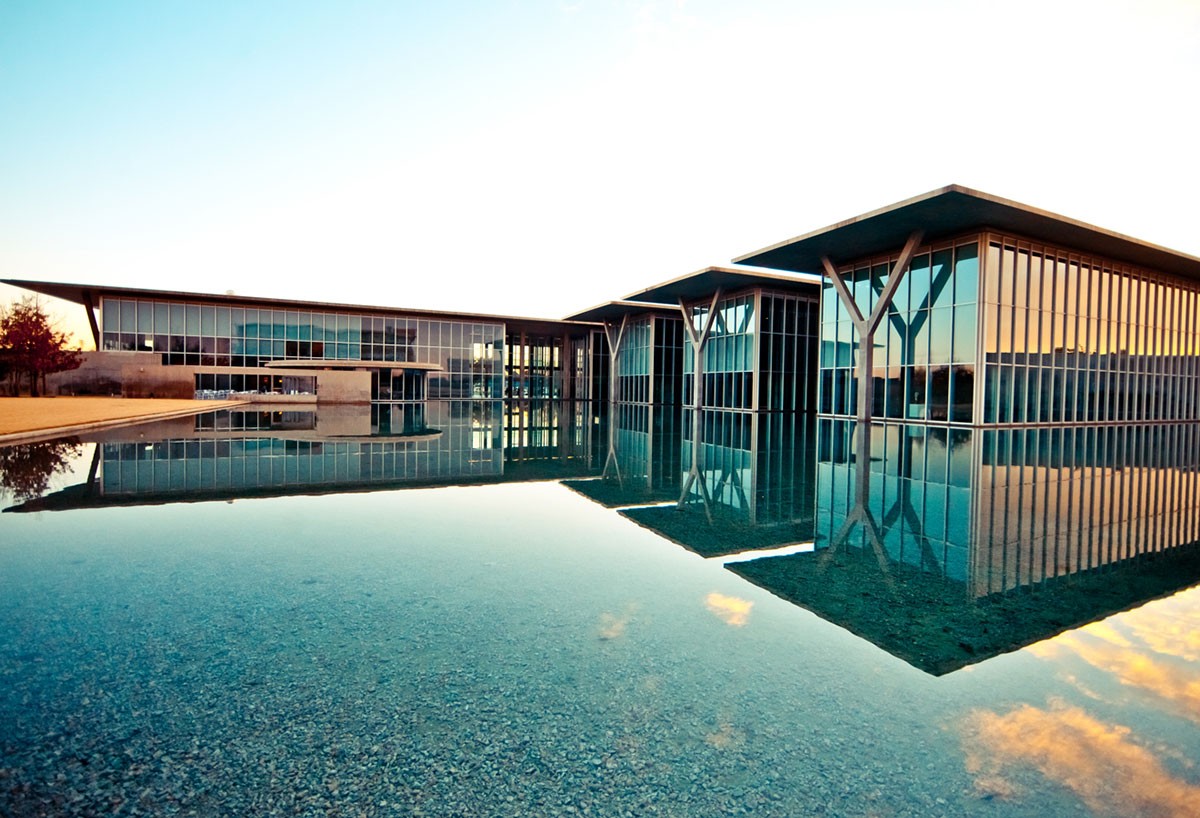
The museum’s physical presence is nothing short of an architectural triumph, defined by the minimalist genius of Tadao Ando . Completed in 2002, the structure serves as a masterclass in the interplay of concrete, glass, and water. Three elongated pavilions appear to float gracefully upon a tranquil reflecting pond, a design choice that invites the sky and the surrounding landscape to become active participants in the viewing experience. For the discerning interior designer or lover of structural elegance, this deliberate use of natural light, filtered through Ando’s signature precision, creates a rhythmic dialogue between the interior galleries and the external world, proving how structural minimalism can elevate the emotional resonance of the objects it protects.
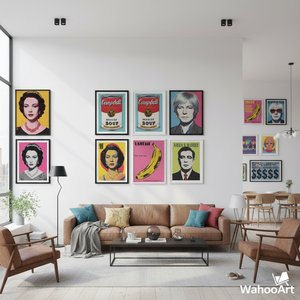
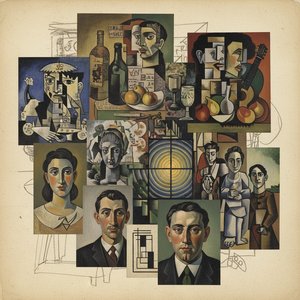
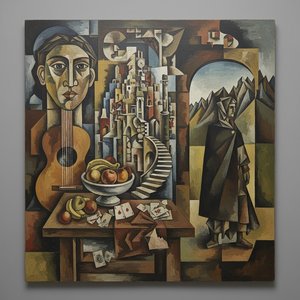
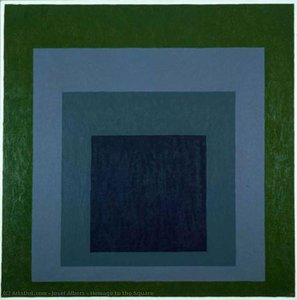
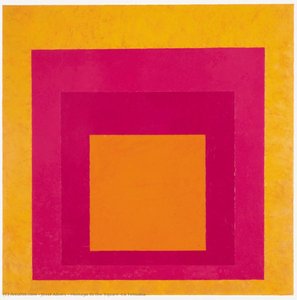
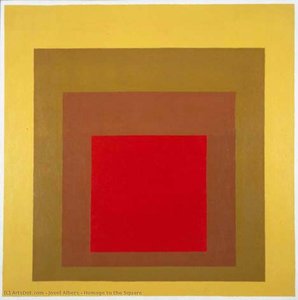
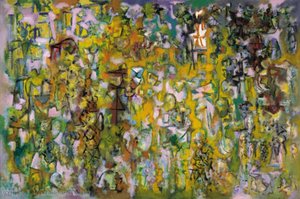
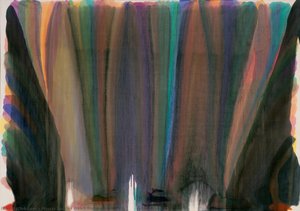
Beyond its striking exterior, the collection offers a sweeping narrative of the twentieth century’s most pivotal movements. The museum boasts an extraordinary assembly of over 3,000 works that trace the evolution of modernism, from the raw energy of Abstract Expressionism to the calculated precision of Minimalism and the vibrant irony of Pop Art . Visitors may find themselves lost in the rhythmic textures of Jackson Pollock, the profound color fields of Mark Rothko, or the iconic, satirical brilliance of Roy Lichtenstein. Each piece is curated not merely as a historical artifact, but as part of a continuous conversation regarding identity, social change, and the very nature of perception.
What truly distinguishes the Modern Art Museum of Fort Worth is its role as a living, breathing institution that refuses to remain static. Through thought-provoking exhibitions that tackle complex social issues and contemporary global shifts, the museum challenges its audience to confront uncomfortable truths and engage in critical discourse. It remains a vital cornerstone of the Texas cultural landscape, standing alongside neighbors like the Kimbell Art Museum to form a concentrated epicenter of excellence. Whether one is drawn by the allure of a legendary canvas or the quiet majesty of Ando’s concrete halls, the museum offers an immersive journey that lingers in the mind long after one has departed its reflecting pools.