

A Tapestry of Souls: The Iziko South African National Gallery
Nestled within the verdant, historic embrace of the Company’s Garden in Cape Town, the Iziko South African National Gallery stands as far more than a mere repository for fine art; it is a vibrant, breathing chronicle of a nation’s complex journey. Since its inception in 1872, following a generous bequest from Thomas Butterworth Bayley, this institution has evolved into a cornerstone of cultural heritage, meticulously weaving together a collection that spans centuries and continents. To walk through its doors is to step into a space where the colonial past and the contemporary African present exist in a profound, often challenging, dialogue. The gallery’s very location—anchored in a settlement established as far back as 1652—adds a layer of temporal depth, making every encounter with its walls an exploration of both local identity and global artistic movements.
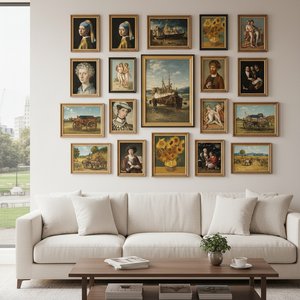
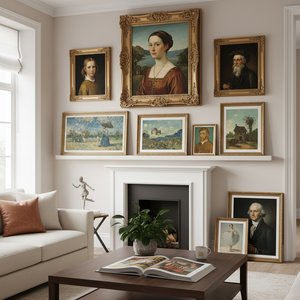
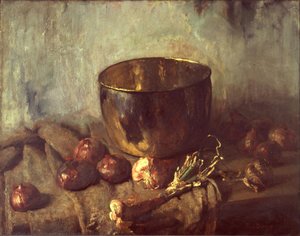
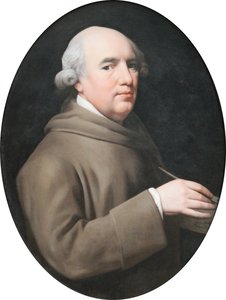
The heart of the museum beats most powerfully within its dualistic collection, where the grandeur of European tradition meets the raw, transformative power of modern African expression. Visitors are often first captivated by the sweeping narratives of the 17th to 19th-century European holdings. Here, one might find themselves lost in the dramatic chiaroscuro of Dutch-influenced portraiture, reminiscent of Rembrandt’s psychological depth, or mesmerized by the idealized, luminous landscapes of Claude Lorrain. These works, while initially reflecting the aesthetic ideals of a colonial era, now serve as poignant windows into the complex interplay of cultures that shaped South Africa. The gallery also offers a window into the shifting social tides of the early 20th century through British paintings, where artists like Walter Sickert explored the gritty realism and psychological anxieties of urban modernity, challenging the very conventions of beauty.
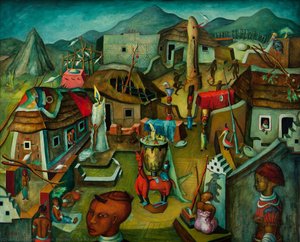
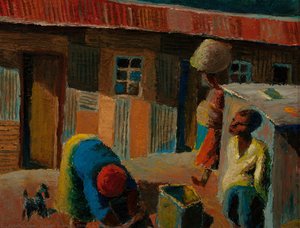
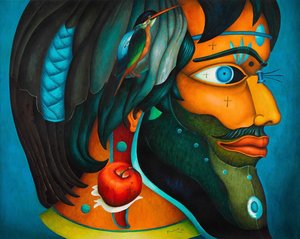
Yet, it is in the realm of contemporary African art that the Iziko National Gallery truly finds its unique, modern voice. The museum serves as a vital stage for artists who grapple with the heavy themes of identity, history, and social justice. The collection celebrates luminaries such as Irma Stern, whose vibrant, emotive portraits of indigenous people capture a palpable sense of character, and Gerard Sekoto, a pioneer of regional modernism. Alongside these masters, the gallery amplifies voices that were once marginalized, ensuring the narrative of South African art is as diverse as its people. This spirit of profound engagement is perhaps most famously embodied in Jane Alexander’s "The Butcher Boys," a hauntingly powerful sculpture that confronts the complexities of apartheid through a darkly surreal lens, or the evocative animated films of William Kentridge, which offer a meditative look at the scars and resurrections of the nation's past.
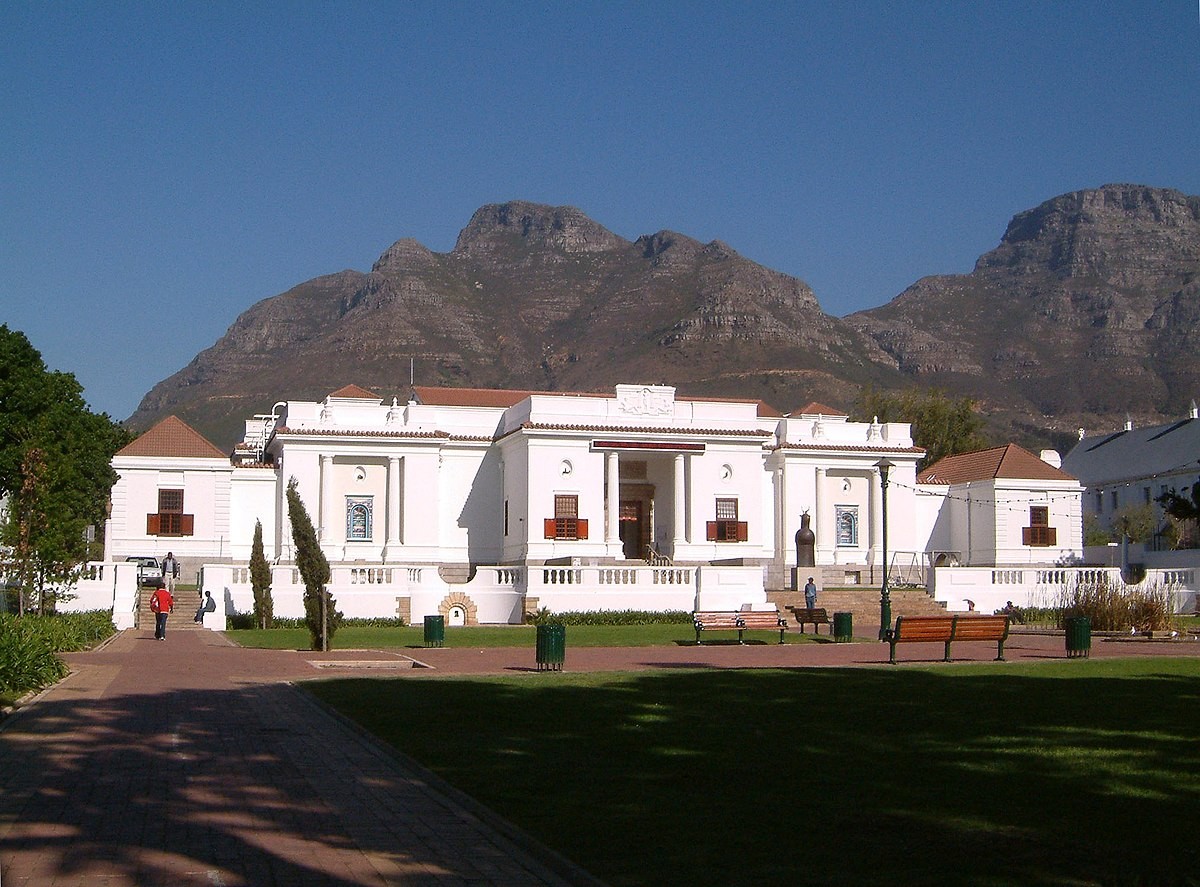
Beyond the canvas and the sculpture, the museum’s architectural presence and its diverse material culture complete an immersive sensory experience. The building itself, a stately example of early 20th-century architecture opened in 1930, commands respect with its gleaming white exterior, towering columns, and expansive windows that bathe the art-filled rooms in natural light. Within these halls, the museum also preserves the tangible legacies of indigenous traditions through an exquisite collection of beadwork and sculpture. These objects, crafted from wood, stone, and shimmering beads, are not merely artifacts to be observed but living embodiments of ancestry and spirituality. For the collector or the designer, the Iziko South African National Gallery offers more than just a visit; it provides a profound encounter with the enduring strength of human creativity and the beautiful, turbulent tapestry of the South African soul.