

Table of Contents
Quick Facts
- Works on APS: 1
- Featured artists: master paul of lõcse
- Location: Banská Bystrica, Slovak Republic
- Alternate names:
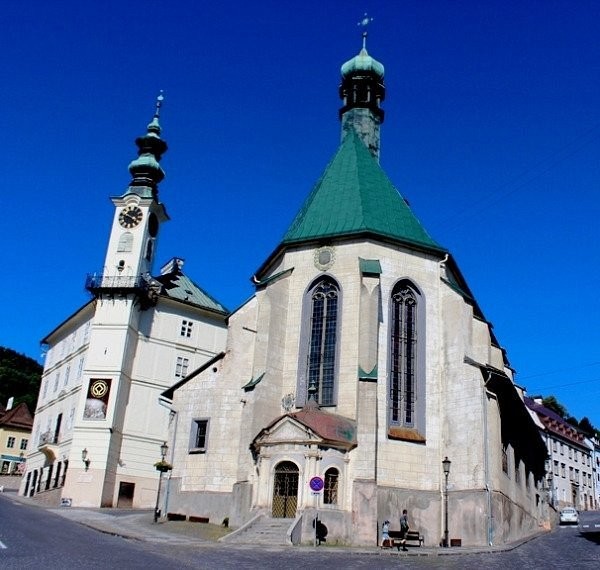
- St Catherine Church
- St Catherines Church
- St. Catherines Church, Banská Bystrica
- []
Exhibited Artists
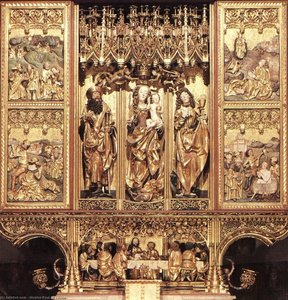
master paul of lõcse
Master Paul of Locse: Flemish painter known for stunning High Altarpieces & St Barbara altars. Explore his detailed works showcasing religious themes & Gothic artistry.

Art Quiz
There is only one correct answer for each question.
Question 1:
St. Catherine's Church in Banská Štiavnica, Slovakia, is primarily known for its distinctive architectural style. Which of the following best describes this style?
Question 2:
The church's construction was significantly influenced by the region’s rich mining history. What was a primary purpose of incorporating elements related to mining into the church's design?
Question 3:
The church's exterior is notable for its use of colorful, locally sourced stone. What effect does this contribute to the overall appearance?
Question 4:
St. Catherine’s Church is located in Banská Štiavnica, a town renowned for its historical significance as a major mining center. What era does this town primarily represent?
Question 5:
The church's interior features elaborate frescoes. What is a common theme found within these frescoes?
Related Articles

Baroque Drama: Bringing Opulence & Emotion into Contemporary Interiors
Explore the opulent world of Baroque interior design! Discover key elements, modern applications & how to bring dramatic elegance into your home with 's authentic reproductions.

The Dramatic Flourish: Exploring the Baroque Movement's Enduring Legacy in Art History
Explore the dramatic world of Baroque art! Discover iconic artists like Caravaggio & Rubens, defining techniques, and its lasting impact on art history. Expert insights for collectors & enthusiasts at ArtsDot.

Baroque Masterpieces: 10 Paintings That Defined an Era |
Journey through the drama & grandeur of Baroque art! Explore 10 masterpieces by Caravaggio, Rembrandt, Rubens & more. Discover stunning oil paintings, rich colors & timeless stories. Find museum-quality reproductions at .

