
A Monumental Reflection of American Identity
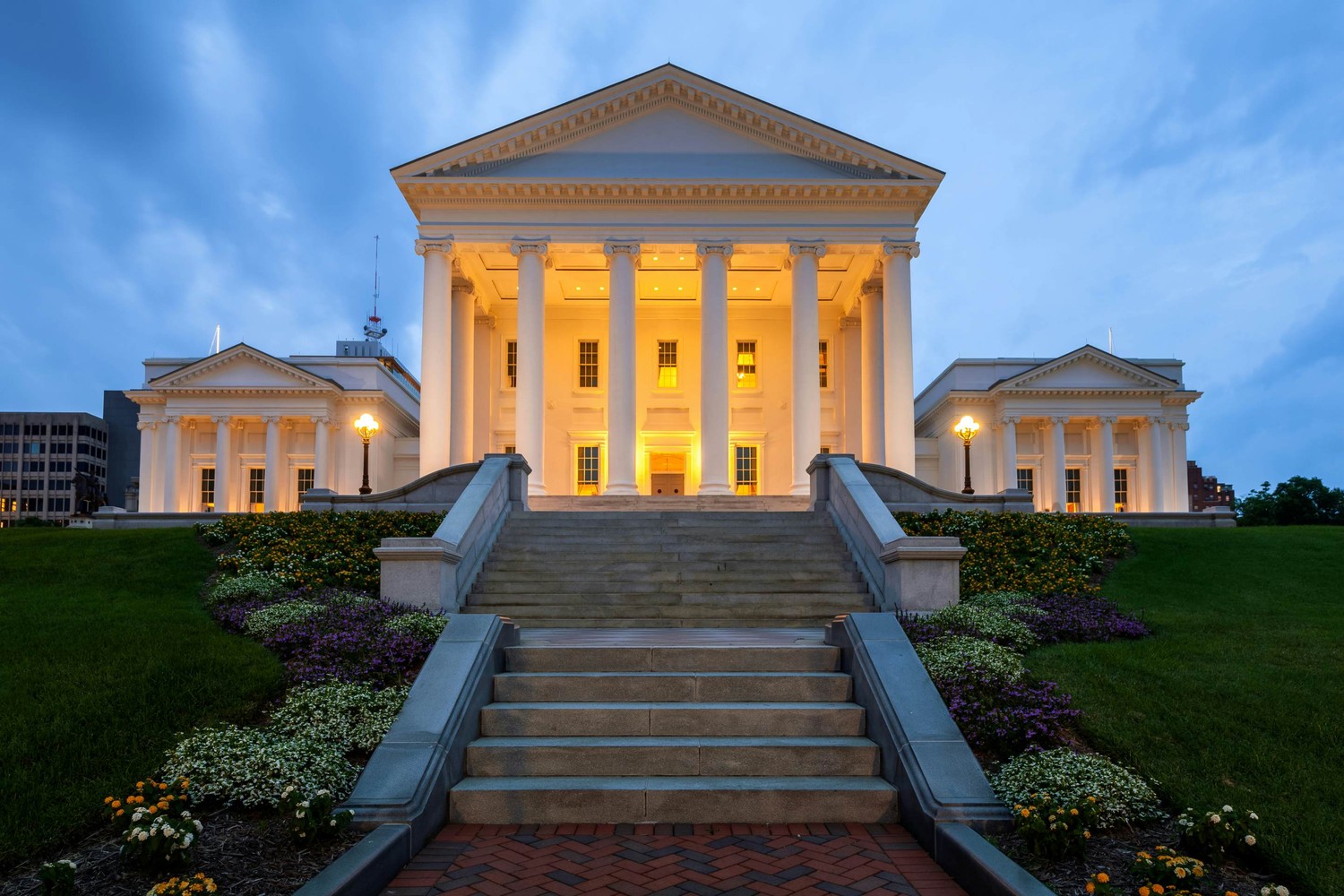
The Virginia State Capitol stands as far more than a mere seat of governance; it is a living, breathing chronicle of the American spirit, meticulously envisioned by Thomas Jefferson and brought to fruition in 1788. Situated at the heart of Richmond, this National Historic Landmark invites the discerning visitor on an immersive journey through centuries of political evolution and profound artistic inspiration. It serves as a testament to the enduring legacy of neoclassical design, where every stone and column whispers tales of the nation’s complex past. To walk through its halls is to step into a space where the architectural grandeur of the Old World meets the burgeoning democratic ideals of the New, creating an atmosphere that is both authoritative and deeply moving.
The very essence of the Capitol lies in its Jeffersonian elegance, rooted in the principles of Palladian architecture. Drawing direct inspiration from the Maison Carrée in Nîmes, France—a Roman temple celebrated for its exquisite symmetry—Jefferson’s design prioritizes a sense of restraint and mathematical proportion. Unlike many of its American counterparts that boast soaring domes, the Virginia State Capitol distinguishes itself through an understated grace, eschewing ostentation for a purity of form that reflects Jefferson’s own philosophical convictions. The façade is dominated by magnificent Ionic columns, masterfully crafted to convey stability, permanence, and the weight of authority. For the art historian or the lover of classical aesthetics, the building offers a profound study in how architectural geometry can be used to manifest political stability and intellectual clarity.
Echoes of Revolution and Sculptural Mastery
Beyond its structural brilliance, the Capitol houses a narrative interwoven with the most dramatic threads of American history. Within its walls, one finds the echoes of revolution and the poignant remnants of conflict. The collection offers a window into the debates that shaped a nascent republic, showcasing original documents from the Virginia Revolution that illuminate the very birth of American liberty. As one wanders deeper, the atmosphere shifts to reflect the somber complexities of the Civil War era; artifacts and photographs documenting the building's role as Confederate headquarters provide a haunting glimpse into a period of profound national division and eventual resilience. This historical depth is further enriched by an exquisite collection of portraits, featuring influential figures such as George Washington, whose presence on the walls serves to honor those who championed the ideals of justice and freedom.
A true jewel within this architectural crown is the sculptural ensemble known as the Columbus Doors. Created by the renowned sculptor Randolph Rogers, these monumental doors represent a pinnacle of Neoclassical mastery. Through his skillful blending of classical forms with potent American symbolism, Rogers achieved an emotive power that captures the imagination of all who behold them. The intricate detailing and expressive movement within the sculpture serve as a powerful reminder of Virginia’s role in the broader narrative of discovery and expansion. For collectors and enthusiasts of fine sculpture, these doors are not merely decorative elements but are profound works of art that bridge the gap between historical commemoration and aesthetic excellence.
Today, the State Capitol continues to evolve, serving as a dynamic space for both civic engagement and scholarly discourse. It remains a cornerstone of cultural memory, where upcoming exhibitions promise to explore the nuances of Virginia’s role in shaping American culture—from the delicate strokes of colonial art movements to contemporary interpretations of Jeffersonian ideals. For the interior designer seeking inspiration or the art lover searching for depth, the Capitol offers an unparalleled experience of beauty, history, and the enduring power of the human creative will.