Menu

The Ackland Art Museum at The University of North Carolina at Chapel Hill

Quick Facts

  • Alternate names:
    • Ackland Art Museum
    • The Ackland Art Museum
  • Featured artists: james andrew felton
  • Works on APS: 1
  • Location: Chapel Hill, United States of America
The Ackland Art Museum at The University of North Carolina at Chapel Hill

A Legacy Forged in Vision and Will

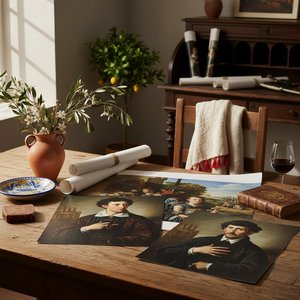
The story of the Ackland Art Museum is one of profound serendipity, a narrative woven from the threads of an amateur collector’s singular devotion to beauty. It begins not with a planned institution, but with the extraordinary bequest of William Hayes Ackland, a man whose final wishes sparked a legal odyssey that ultimately anchored a cultural treasure within the heart of the University of North Carolina at Chapel Hill. There is something deeply poetic about the museum's origin; it is a place born from a complex negotiation of legacies, where the very foundation of the institution rests upon a desire to bridge the gap between private passion and public enlightenment. To walk through its doors is to step into a space shaped by a man who sought immortality through art, even desiring to be interred within the museum itself—a final, silent testament to his lifelong pursuit of aesthetic truth.

A Global Tapestry of Human Expression

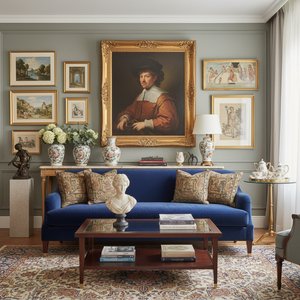
Beyond its storied beginnings, the Ackland offers a breathtaking journey across continents and centuries, housing a collection that exceeds 17,000 pieces of immense cultural significance. For the discerning collector or the curious traveler, the museum presents a seamless transition between the delicate and the profound. One might find themselves lost in the serene elegance of Asian Art, where intricate porcelain and sacred Buddhist iconography whisper tales of ancient traditions, only to be suddenly confronted by the dramatic intensity of European masters. The halls resonate with the brushwork of Eugène Delacroix, the meticulous precision of Albrecht Dürer, and the playful Rococo charm of Jean-Honoré Fragonlard. This dialogue between eras continues into the modern age, where the revolutionary spirit of Pablo Picasso, the surrealist dreams of Salvador Dalí, and the raw, emotive power of Käthe Kollwitz challenge the viewer to reconsider the boundaries of perception. It is this curated tension—between the historical and the contemporary, the delicate and the provocative—that makes the Ackland a vital destination for those seeking inspiration in the evolution of visual storytelling.

An Architectural Sanctuary of Light and Thought

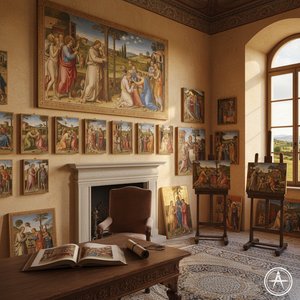
The physical presence of the museum at 101 S. Columbia Street serves as a masterclass in architectural harmony, designed to facilitate both scholarly inquiry and quiet contemplation. Bathed in the soft, golden glow of Southern sunlight, the building’s soaring ceilings and expansive windows act as a living canvas, integrating the natural environment with the curated treasures within. For interior designers and lovers of space, the museum offers a profound lesson in how light and volume can elevate the experience of art. The architecture does not compete with the collection; rather, it provides an inviting, airy atmosphere that encourages visitors to linger and reflect. This sense of openness extends to the museum's mission as well, as its commitment to free admission and community engagement ensures that the Ackland remains a vibrant crossroads for all. Whether through groundbreaking exhibitions or recent ethical initiatives in restitution, the museum continues to evolve, standing as a beacon of inclusivity and a sanctuary where the past and future of art meet in a continuous, luminous dialogue.

Art Quiz

There is only one correct answer for each question.

Question 1:
What was the original intention of William Hayes Ackland's will regarding his fortune?
Question 2:
Approximately how many artworks are housed in The Ackland Art Museum?
Question 3:
Which artistic tradition is particularly prominent in The Ackland's collections?
Question 4:
The Ackland Art Museum’s location is near:
Question 5:
What distinguishes The Ackland Art Museum from other art institutions?