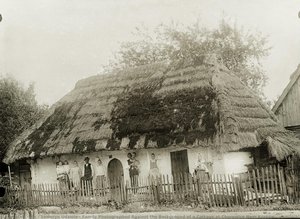
Table of Contents
Quick Facts
- Art types: photo
- Alternate names:
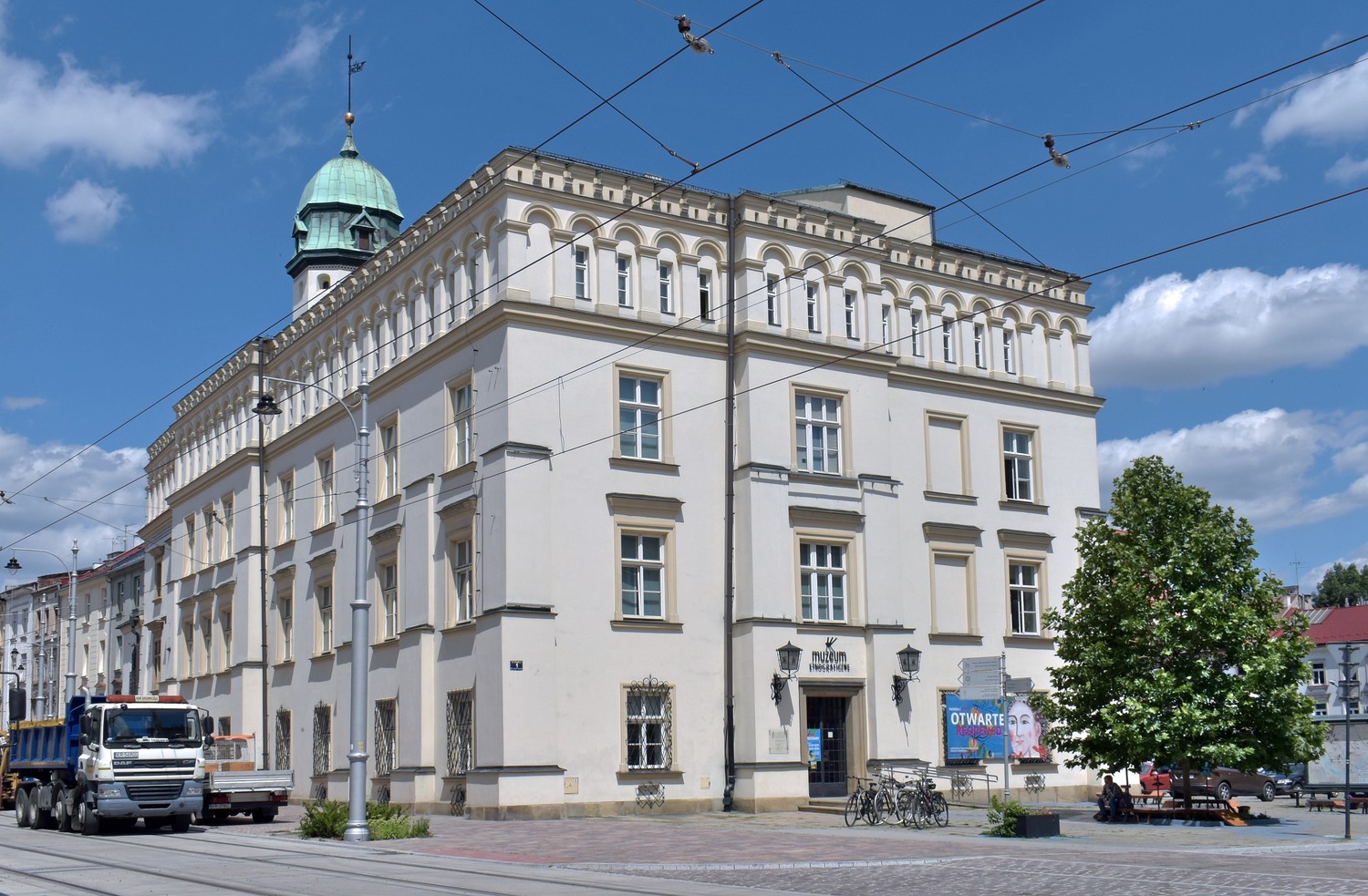
- The Ethnographic Museum in Kraków
- Seweryn Udziela Ethnographic Museum
- Ethnographic Museum of Kraków
- Featured artists:
- Zofia Stryjeńska
- Walery Eljasz-Radzikowski
- seweryn udziela
- karel maria chotek
- eugeniusz frankowski
- Location: Krakow, Poland
- More…
- Works on APS: 9
- Mediums: black and white photography
- Historical periods: 19th century
Exhibited Artists
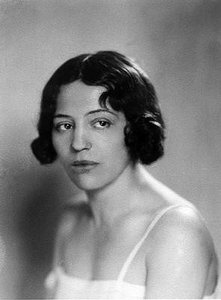
Zofia Stryjeńska
Explore the vibrant Art Deco paintings & illustrations of Zofia Stryjeńska (1891-1976), a celebrated Polish artist renowned for her Slavic folklore, stage designs, and work on iconic ships like Batory & Pilsudski.

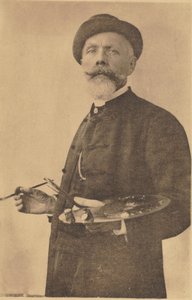
Walery Eljasz-Radzikowski
Walery Eljasz-Radzikowski (1841-1905): Polish painter & photographer. Explore 19thC historical scenes, Tatra Mountains landscapes, and pioneering tourist guide illustrations.
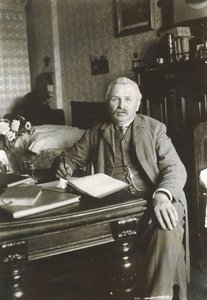
seweryn udziela
Discover Seweryn Udziel, Polish ethnographer & folklorist (1857-1937). Explore his rich collection of Polish traditions & rural life through ethnographic studies & museum contributions.
Art Quiz
There is only one correct answer for each question.
Question 1:
What is the Ethnographic Museum of Kraków primarily focused on?
Question 2:
Where is the Ethnographic Museum of Kraków located?
Question 3:
Who established the Ethnographic Society and subsequently the museum?
Question 4:
What architectural landmark houses the Ethnographic Museum?
Question 5:
Which exhibit at the museum explores Jewish figurines and aims to foster cultural dialogue?
Related Articles
Stanisław Wyspiański: Symbolism, National Identity & the Polish Secession
Explore the life & work of Stanisław Wyspiański, a pivotal figure in Polish Symbolism and the Young Poland movement. Discover his iconic paintings, dramas, and stained glass designs reflecting national identity & artistic innovation.
Jan Matejko: Historical Narrative & National Identity in 19th-Century Polish Painting
Explore the powerful historical paintings of Jan Matejko, Poland's national artist. Discover his iconic works & learn how he shaped Polish identity in the 19th century. High-quality reproductions available.
Echoes of Tradition: Exploring the Enduring Legacy of Folk Art Movements
Explore the rich history of folk art movements worldwide! Discover definitions, notable artists, and the enduring legacy of this captivating tradition. Expert insights & high-quality reproductions at ArtsDot.