

A Pilgrimage to Genius: The Soul of Salzburg
In the heart of Salzburg, a city draped in Baroque elegance and cradled by the breathtaking Austrian Alps, lies a destination that transcends the traditional museum experience. The Mozart-Museums of the International Mozarteum Foundation are not merely repositories for historical artifacts; they are portals into the very essence of Wolfgang Amadeus Mozart’s creative spirit. To walk through these halls is to embark on a pilgrimage, an intimate journey where the boundaries between the past and the present dissolve, allowing visitors to trace the footsteps of a prodigy whose melodies continue to shape the landscape of human emotion.
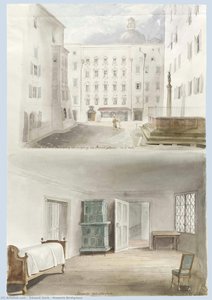
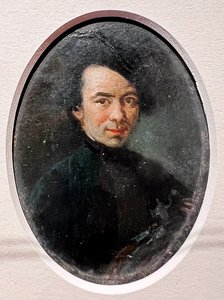
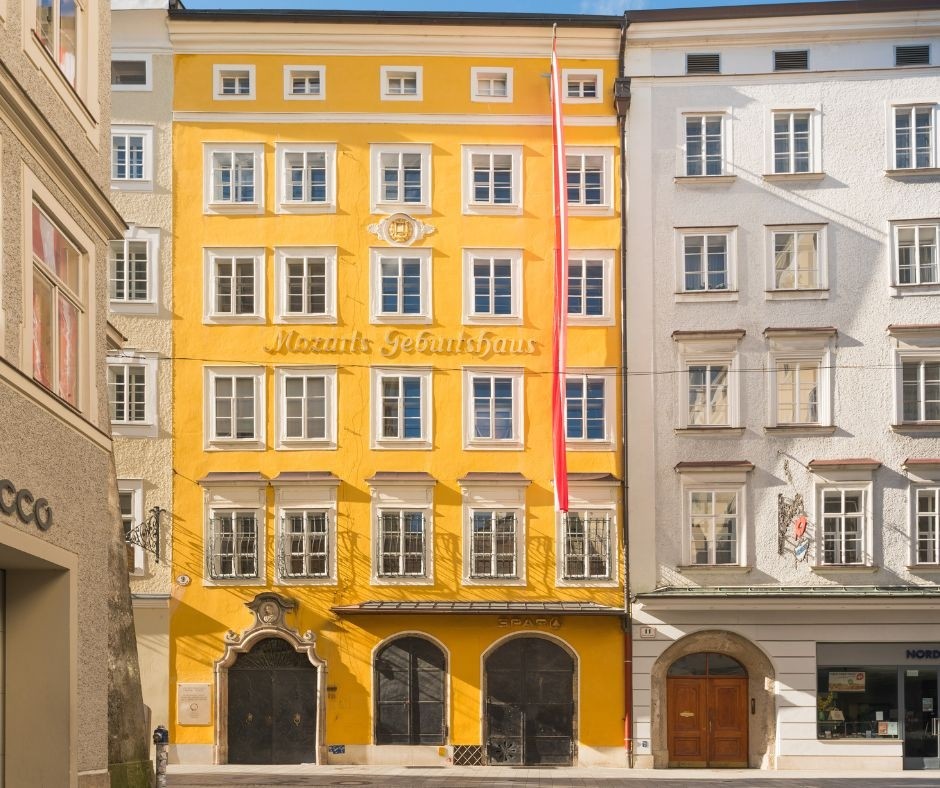
The narrative begins at Mozart’s Geburtshaus , his celebrated birthplace on the iconic Getreidegasse. This beautifully preserved 18th-century structure, with its ornate façade and narrow windows that catch the golden Salzburg sunlight, serves as a tender introduction to the composer's early years. Within these intimate walls, the museum meticulously reconstructs the domestic world of the Mozart family. Visitors find themselves moved by the sight of a reconstructed bedroom, mirroring the exact conditions under which the young Wolfgang slept, surrounded by portraits that capture the quiet dignity of his parents and sister, Nannerl. The collection here is deeply personal, featuring original manuscripts and letters that reveal a childhood steeped in both rigorous musical education and an insatiable intellectual curiosity.
From Domestic Intimacy to Operatic Grandeur
As one moves from the cradle of melody to Mozart’s Wohnhaus , the scale of the experience expands, mirroring the composer's own journey from a touring child prodigy to a master of the European stage. Located on Makartplatz, this larger residence offers a broader perspective on a life defined by both soaring success and the practical struggles of an artist seeking stability. The rooms are thoughtfully furnished to reflect the family’s later years in Salzburg, creating a tangible sense of their domestic reality. Here, the air seems to vibrate with the echoes of period instruments—pianos and violins that once graced the hands of masters—inviting collectors and enthusiasts alike to imagine Mozart composing amidst the very furniture that witnessed his maturation.
The collection at the Wohnhaus delves deeper into the theatrical brilliance of the composer, showcasing the librettos, sketches, and exquisite costumes that brought his operatic characters to life. This intersection of visual artistry and auditory storytelling provides a profound look at Mozart as a master dramatist. The architecture itself plays a vital role in this immersion; the transition from the intimate, narrow spaces of the Birthplace to the more spacious, grand halls of the Residence reflects the growing status of the Mozart family and the expanding horizons of the composer’s genius.
Architectural Harmony and a Living Legacy
The brilliance of the Mozarteum Foundation extends far beyond its curated exhibits, manifesting in the magnificent architectural achievements that define Salzburg's cultural landscape. The Grosser Saal , or Great Hall, stands as a testament to the pursuit of acoustic perfection. Designed with the meticulous vision of Karl Friedrich Schinkel, the hall features soaring ceilings and polished marble floors that catch the light filtering through stained glass windows. These windows, depicting evocative scenes from Mozart’s operas, create a visual symphony that complements the auditory experience, demonstrating how neoclassical principles can be harmoniously integrated into a Baroque setting.
What truly distinguishes these museums is their status as a living legacy. Through the work of the International Mozarteum Foundation, these spaces remain vibrant centers of scholarly research and world-class performance. The annual Mozart Week festival ensures that the composer's influence is not a static memory but an active, breathing force in contemporary culture. For the art lover, the interior designer, or the historian, the Mozart-Museums offer more than just a glimpse into history; they provide an encounter with the eternal, where every manuscript and every architectural detail serves as a note in a much larger, everlasting masterpiece.