

A Spiraling Sanctuary of Modern Vision
To step into The Solomon R. Guggenheim Museum in New York City is to leave the rigid, rectangular geometry of Manhattan behind and enter a realm where form and movement converge. This is not merely a repository for masterpieces; it is an immersive journey into the very genesis of 20th-century artistic thought. Founded by Solomon R. Guggenheim’s unwavering fascination with non-objective art in 1937, and nurtured by the astute guidance of Hilla von Rebay, the museum began as a sanctuary for radical concepts that dared to challenge the established boundaries of beauty. Within its walls, the spirit of experimentation is palpable, inviting visitors to experience art not just through sight, but through a profound sense of spatial discovery.
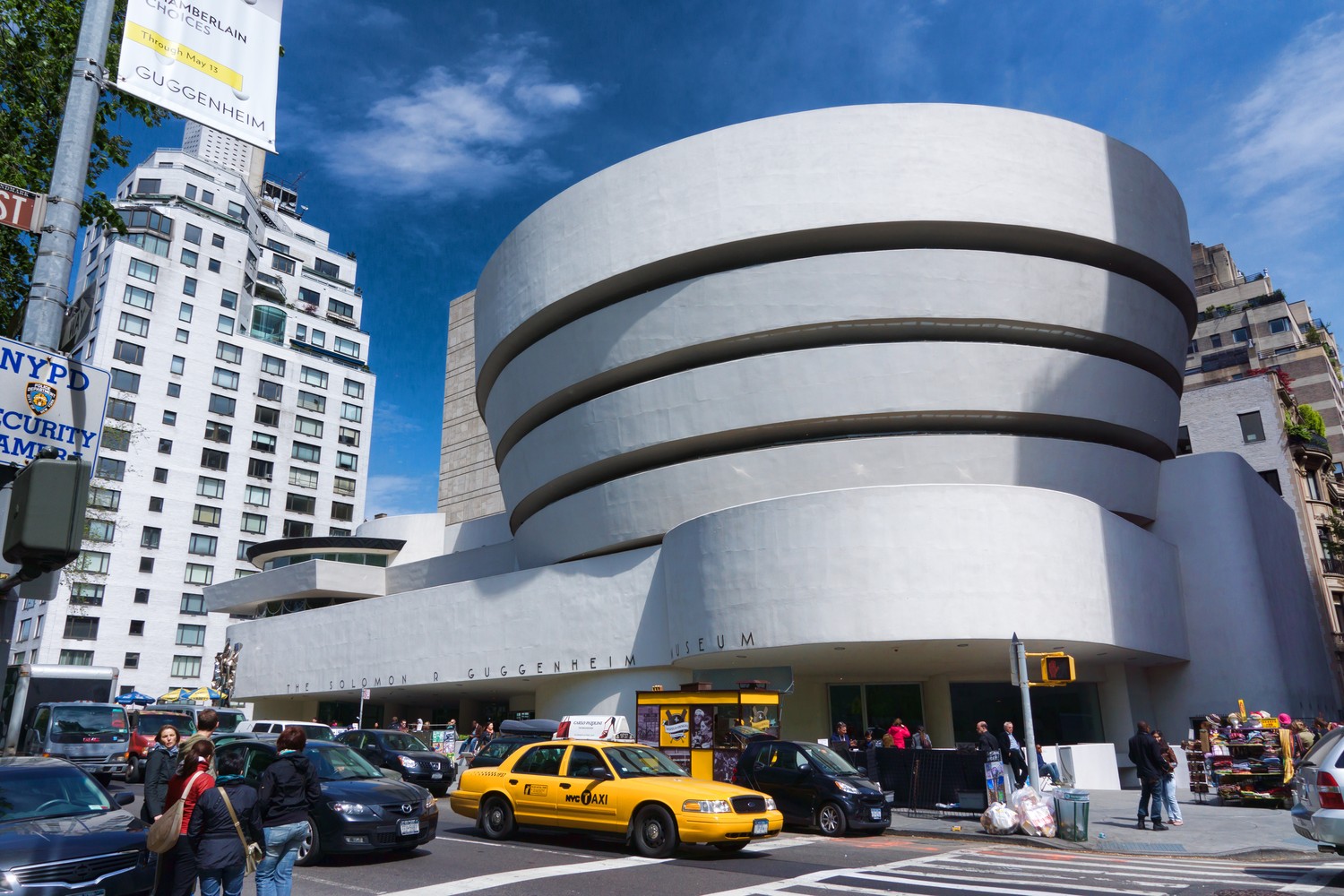
The architectural marvel that houses this collection is as much a work of art as the canvases it protects. Designed by the legendary Frank Lloyd Wright, the building rejects the traditional museum model in favor of a continuous, helical ramp that winds upwards through the galleries. This spiraling structure—a six-story bowl intersected by a four-story monitor—creates a deliberate choreography of space and perception. As one ascends the ramp, the viewing experience is transformed; the art is not presented in isolated rooms but unfolds as part of a singular, ascending narrative. It is a masterpiece of organic architecture that elevates contemplation, turning the act of walking through a museum into a rhythmic dance of light and shadow.
A Legacy of Abstraction and Innovation
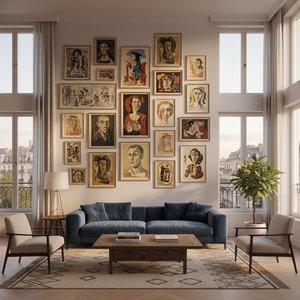
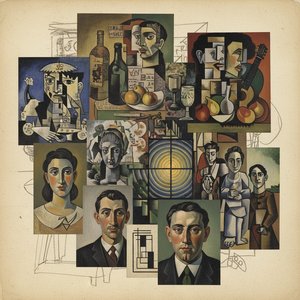
At its core, the Guggenheim collection represents an extraordinary assemblage of Impressionist, Post-Impressionist, early Modern, and contemporary art. The museum serves as a vital chronicle of the evolution of abstraction, featuring iconic works by Wassily Kandinsky, a pioneer whose non-objective compositions laid the essential groundwork for much of 20th-century thought. Alongside his vibrant, musical canvases, one finds the transformative power of Pablo Picasso, the rhythmic lines of Georges Braque, and the dreamlike mythologies of Marc Chagall and Joan Miró. For the collector or interior designer, these works offer more than historical significance; they provide a profound vocabulary of color and form that continues to resonate in modern aesthetic discourse.
The museum’s influence extends far beyond its iconic Fifth Avenue location, reaching into an international network through sister institutions in Bilbao and Venice. This global presence allows the Guggenheim to remain at the forefront of the art world, hosting dynamic special exhibitions that explore cutting-edge themes and emerging voices. Whether exploring the lyrical abstraction of Raymond Parker or engaging with contemporary installations, the museum fosters a holistic experience where one learns to feel art. It remains a vital force in shaping global discourse, acting as a catalyst for inspiration and a place where the boundaries between architecture, history, and creativity are beautifully, perpetually blurred.