
A Sacred Encounter with Devotion and Artistry
Nestled within the hallowed grounds of the Basilica of Saint Francis in Assisi, Italy, the Treasure Museum offers a captivating glimpse into centuries of religious devotion and profound artistic expression. This remarkable sanctuary safeguards an invaluable collection of artifacts that illuminate the life of St. Francis and the enduring legacy of his spiritual message. As one wanders through its halls, the museum reveals itself not merely as a repository of objects, but as a testament to papal patronage and Franciscan piety, where every relic and painting serves as a bridge between the earthly and the divine. The atmosphere is one of quiet reverence, inviting visitors to step away from the temporal world and into a space where history and spirituality are inextricably entwined.
The collection is a breathtaking tapestry of sacred art, encompassing paintings, sculptures, and intricate metalwork crafted over many generations. Visitors are often moved by the mastery of Baroque techniques, such as the dramatic use of chiaroscuro found in works like Caravaggio’s “Saint Francis of Assisi in Ecstasy,” where light and shadow dance to capture the raw emotion of a spiritual encounter. Beyond the canvas, the museum holds a poignant collection of religious relics associated with St. Francis and other significant figures of the Franciscan order. These sacred fragments offer a tangible, visceral connection to the lives of the saints, serving as profound reminders of an unwavering faith that has shaped Western history through the ages.
The grandeur of the museum is further elevated by the opulent gifts bestowed upon the Basilica by successive Popes. These treasures reflect the immense esteem and reverence accorded to this holy site, speaking volumes about papal ambition and the evolving artistic tastes of pivotal historical periods. Interwoven with these traditional Italian treasures is the unique F.M. Perkins Collection , a distinctive assemblage donated by the American art critic and Secular Franciscan Frederick Mason Perkins. This inclusion introduces an international dimension to the museum’s narrative, enriching the dialogue between local Umbrian tradition and global artistic perspectives, making it a destination of immense interest for collectors and historians alike.
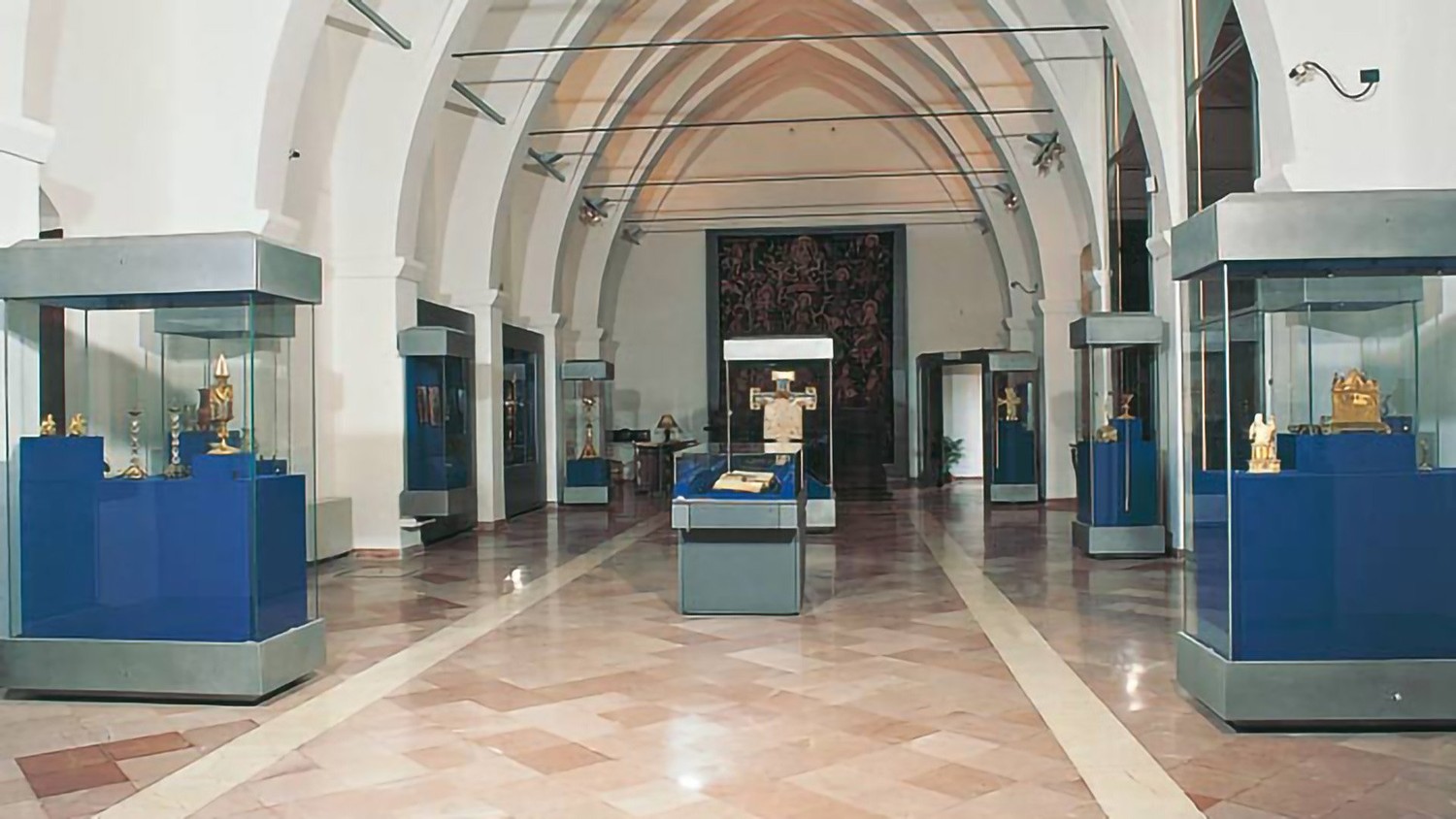
Architecturally, the Treasure Museum is thoughtfully housed within two halls located on the northern side of the Cloister of Pope Sixtus IV , a Renaissance masterpiece in its own right. The entrance, situated on the second level of this serene cloister, offers stunning views that invite a contemplative spirit even before one enters the galleries. This setting allows the museum to function as an integral part of the larger Sacro Convento —the spiritual epicenter of Umbria. From the beautifully preserved liturgical vestments that embody centuries of craftsmanship to the historical evolution of the collection dating back to 1230, every element of the Treasure Museum invites art lovers and pilgrims alike on a journey through time, celebrating the enduring power of beauty and belief.